
跨学科胎儿-新生儿神经学培训可改善一生的脑健康。
Interdisciplinary fetal-neonatal neurology training improves brain health across the lifespan.
作者信息
Scher Mark S
机构信息
Department of Pediatrics and Neurology, Division of Pediatric Neurology, Fetal/Neonatal Neurology Program, Case Western Reserve University School of Medicine, Cleveland, OH, United States.
出版信息
Front Neurol. 2024 Jul 4;15:1411987. doi: 10.3389/fneur.2024.1411987. eCollection 2024.
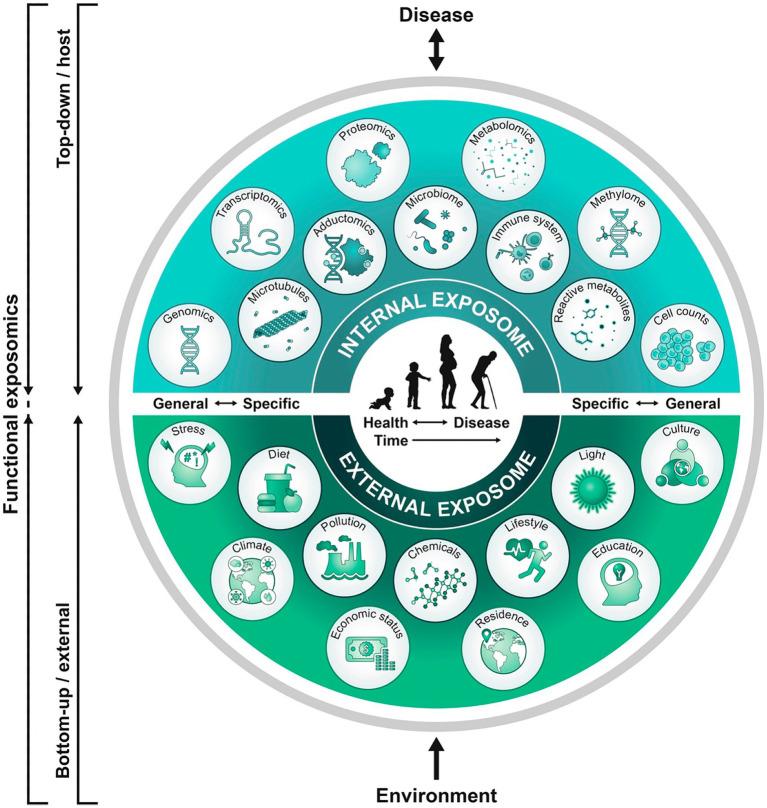
Integrated fetal, neonatal, and pediatric training constitute an interdisciplinary fetal-neonatal neurology (FNN) program. A dynamic neural exposome concept strengthens curriculum content. Trainees participate in mentoring committee selection for guidance during a proposed two-year program. Prenatal to postnatal clinical learning re-enforces early toxic stressor interplay that influences gene-environment interactions. Maternal-placental-fetal triad, neonatal, or childhood diseases require diagnostic and therapeutic decisions during the first 1,000 days when 80 % of neural connections contribute to life-course phenotypic expression. Pediatric follow-up through 3 years adjusts to gestational ages of preterm survivors. Cumulative reproductive, pregnancy, pediatric and adult exposome effects require educational experiences that emphasize a principle-to-practice approach to a brain capital strategy across the lifespan. More rigorous training during fetal, neonatal, and pediatric rotations will be offered to full time trainees. Adult neurology residents, medical students, and trainees from diverse disciplines will learn essential topics during time-limited rotations. Curriculum content will require periodic re-assessments using educational science standards that maintain competence while promoting creative and collaborative problem-solving. Continued career-long learning by FNN graduates will strengthen shared healthcare decisions by all stakeholders. Recognition of adaptive or maladaptive neuroplasticity mechanisms requires analytic skills that identify phenotypes associated with disease pathways. Developmental origins and life-course concepts emphasize brain health across the developmental-aging continuum, applicable to interdisciplinary research collaborations. Social determinants of health recognize diversity, equity, and inclusion priorities with each neurological intervention, particularly for those challenged with disparities. Diagnostic and therapeutic strategies must address resource challenges particularly throughout the Global South to effectively lower the worldwide burden of neurologic disease. Sustainable development goals proposed by the World Health Organization offer universally applicable guidelines in response to ongoing global and regional polycrises. Gender, race, ethnicity, and socio-economic equality promote effective preventive, rescue and reparative neuroprotective interventions. Global synergistic efforts can be enhanced by establishing leadership within academic teaching hubs in FNN training to assist with structure and guidance for smaller healthcare facilities in each community that will improve practice, education and research objectives. Reduced mortality with an improved quality of life must prioritize maternal-pediatric health and well-being to sustain brain health across each lifespan with transgenerational benefits.
综合胎儿、新生儿和儿科培训构成了一个跨学科的胎儿-新生儿神经病学(FNN)项目。动态神经暴露组概念强化了课程内容。在为期两年的拟议项目中,学员参与指导委员会的选拔以获得指导。产前到产后的临床学习强化了早期毒性应激源的相互作用,这种相互作用会影响基因-环境相互作用。母婴-胎盘-胎儿三联征、新生儿或儿童疾病需要在生命最初1000天内做出诊断和治疗决策,此时80%的神经连接会影响生命历程中的表型表达。对早产幸存者进行3年的儿科随访,并根据其胎龄进行调整。累积的生殖、妊娠、儿科和成人暴露组效应需要教育经历,强调采用从原则到实践的方法制定贯穿一生的脑资本策略。将为全职学员提供更严格的胎儿、新生儿和儿科轮转培训。成人神经科住院医师、医学生以及来自不同学科的学员将在限时轮转期间学习重要主题。课程内容需要使用教育科学标准进行定期重新评估,以保持能力,同时促进创造性和协作性问题解决。FNN毕业生持续的终身学习将加强所有利益相关者共同做出的医疗保健决策。认识适应性或适应不良的神经可塑性机制需要具备分析技能,以识别与疾病途径相关的表型。发育起源和生命历程概念强调了贯穿发育-衰老连续体的脑健康,适用于跨学科研究合作。健康的社会决定因素在每次神经学干预中都认识到多样性、公平性和包容性的优先事项,特别是对于那些面临差异挑战的人群。诊断和治疗策略必须应对资源挑战,尤其是在全球南方地区,以有效降低全球神经系统疾病负担。世界卫生组织提出的可持续发展目标提供了普遍适用的指导方针,以应对当前持续的全球和区域多重危机。性别、种族、族裔和社会经济平等促进有效的预防、救援和修复性神经保护干预措施。通过在FNN培训的学术教学中心建立领导力,可以加强全球协同努力,为每个社区的小型医疗设施提供结构和指导,这将改善实践、教育和研究目标。降低死亡率并提高生活质量必须将母婴-儿科健康和福祉作为优先事项,以在每个生命阶段维持脑健康并带来跨代益处。


 Zotero 插件