
安慰剂缓解疼痛的神经回路基础。
Neural circuit basis of placebo pain relief.
机构信息
Department of Cell Biology and Physiology, The University of North Carolina at Chapel Hill, Chapel Hill, NC, USA.
UNC Neuroscience Center, The University of North Carolina at Chapel Hill, Chapel Hill, NC, USA.
出版信息
Nature. 2024 Aug;632(8027):1092-1100. doi: 10.1038/s41586-024-07816-z. Epub 2024 Jul 24.
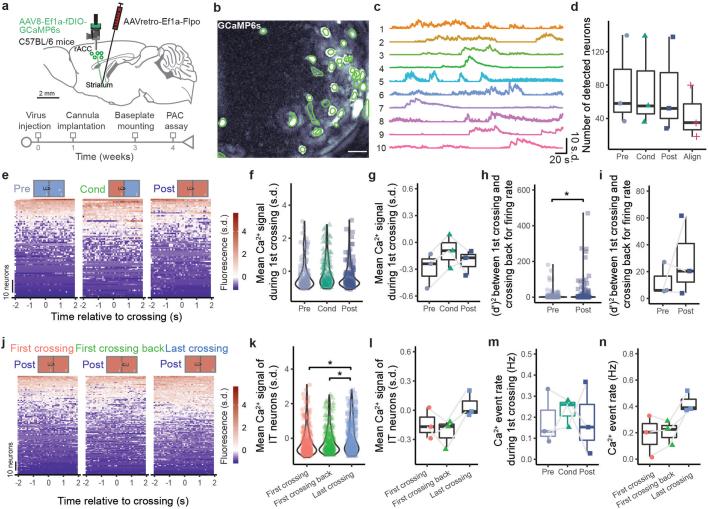
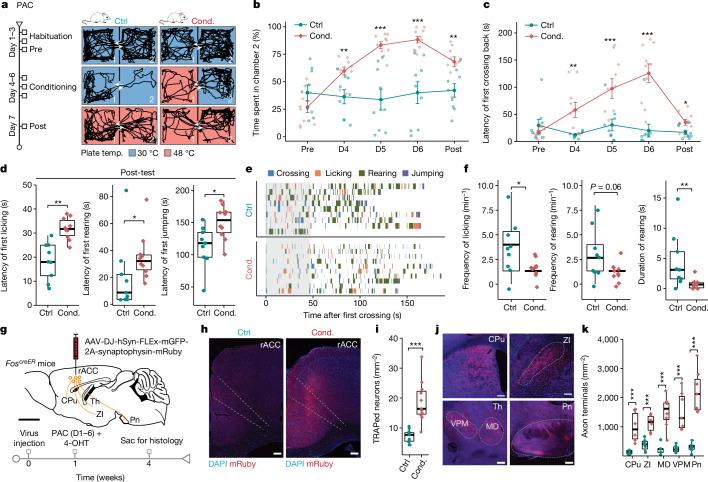
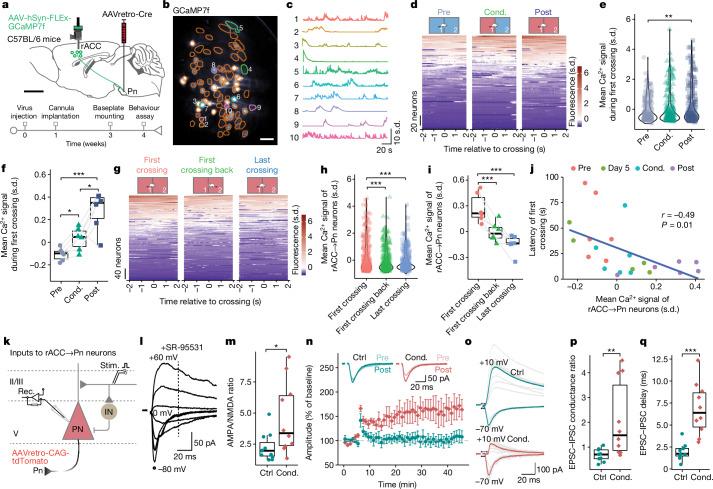
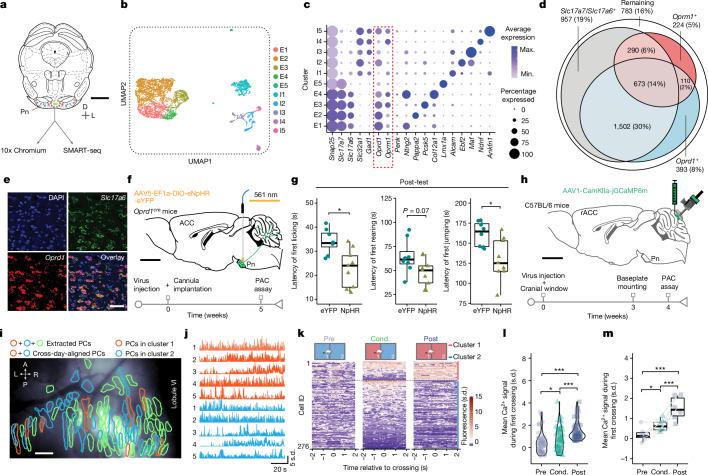
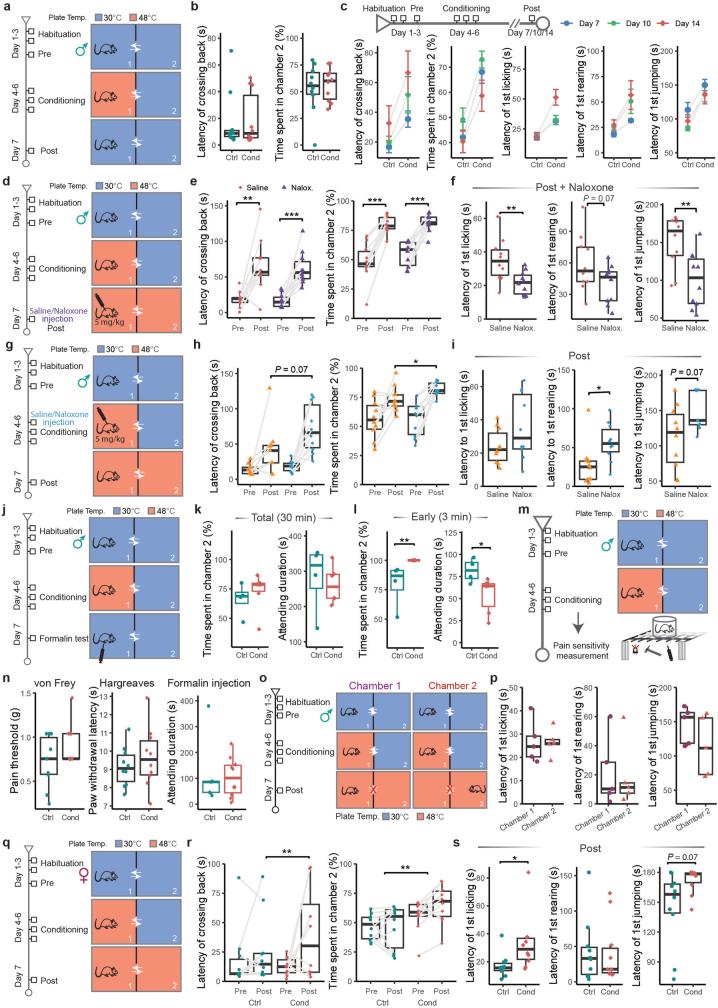
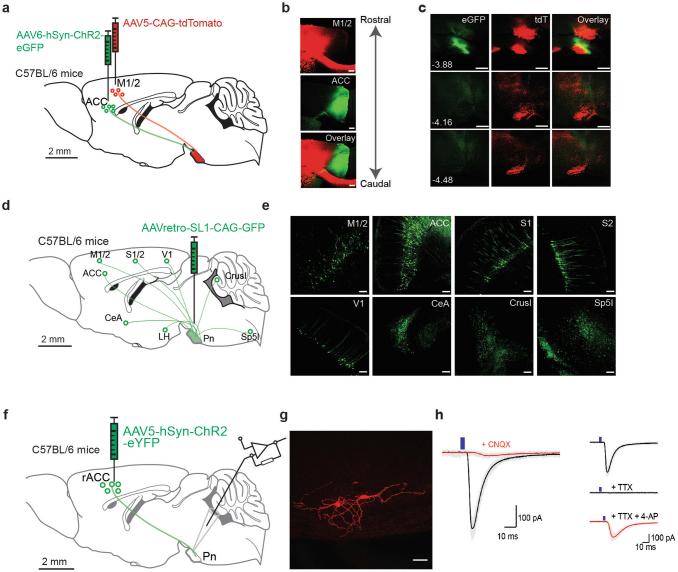
Placebo effects are notable demonstrations of mind-body interactions. During pain perception, in the absence of any treatment, an expectation of pain relief can reduce the experience of pain-a phenomenon known as placebo analgesia. However, despite the strength of placebo effects and their impact on everyday human experience and the failure of clinical trials for new therapeutics, the neural circuit basis of placebo effects has remained unclear. Here we show that analgesia from the expectation of pain relief is mediated by rostral anterior cingulate cortex (rACC) neurons that project to the pontine nucleus (rACC→Pn)-a precerebellar nucleus with no established function in pain. We created a behavioural assay that generates placebo-like anticipatory pain relief in mice. In vivo calcium imaging of neural activity and electrophysiological recordings in brain slices showed that expectations of pain relief boost the activity of rACC→Pn neurons and potentiate neurotransmission in this pathway. Transcriptomic studies of Pn neurons revealed an abundance of opioid receptors, further suggesting a role in pain modulation. Inhibition of the rACC→Pn pathway disrupted placebo analgesia and decreased pain thresholds, whereas activation elicited analgesia in the absence of placebo conditioning. Finally, Purkinje cells exhibited activity patterns resembling those of rACC→Pn neurons during pain-relief expectation, providing cellular-level evidence for a role of the cerebellum in cognitive pain modulation. These findings open the possibility of targeting this prefrontal cortico-ponto-cerebellar pathway with drugs or neurostimulation to treat pain.
安慰剂效应是身心相互作用的显著表现。在疼痛感知过程中,在没有任何治疗的情况下,对疼痛缓解的期望可以减轻疼痛体验——这一现象被称为安慰剂镇痛。然而,尽管安慰剂效应的强度及其对人类日常体验的影响以及新疗法临床试验的失败,安慰剂效应的神经回路基础仍不清楚。在这里,我们表明,对疼痛缓解的期望引起的镇痛是由投射到脑桥核(rACC→Pn)的额前扣带皮层(rACC)神经元介导的——这是一个小脑前核,在疼痛中没有既定功能。我们创建了一个行为测定法,在小鼠中产生类似于安慰剂的预期性疼痛缓解。体内钙成像和脑片电生理记录显示,对疼痛缓解的期望会增强 rACC→Pn 神经元的活性,并增强该途径中的神经传递。对 Pn 神经元的转录组学研究表明,阿片受体丰富,进一步表明其在疼痛调节中的作用。rACC→Pn 通路的抑制破坏了安慰剂镇痛作用,并降低了疼痛阈值,而激活该通路则在没有安慰剂调节的情况下引起镇痛。最后,浦肯野细胞在缓解疼痛的期望期间表现出与 rACC→Pn 神经元相似的活动模式,为小脑在认知性疼痛调节中的作用提供了细胞水平的证据。这些发现为用药物或神经刺激靶向这条前额叶皮质-脑桥-小脑通路治疗疼痛开辟了可能性。


 Zotero 插件