
脂质体中的纳米颗粒:一种提高呼吸道感染多重耐药菌抗生素选择性的平台。
Nanoparticles in liposomes: a platform for increased antibiotic selectivity in multidrug resistant bacteria in respiratory tract infections.
作者信息
Fakhoury Nathalie E, Mansour Samar, Abdel-Halim Mohammad, Hamed Mostafa M, Empting Martin, Boese Annette, Loretz Brigitta, Lehr Claus-Michael, Tammam Salma N
机构信息
Department of Pharmaceutical Technology, Faculty of Pharmacy & Biotechnology, the German University in Cairo, Cairo, Egypt.
Department of Pharmaceutical Chemistry, Faculty of Pharmacy & Biotechnology, the German University in Cairo, Cairo, Egypt.
出版信息
Drug Deliv Transl Res. 2025 Apr;15(4):1193-1209. doi: 10.1007/s13346-024-01662-2. Epub 2024 Jul 24.
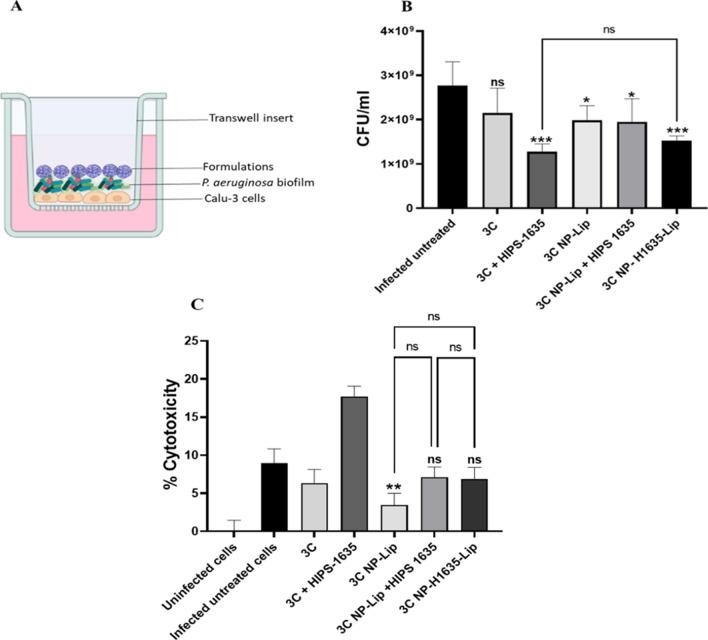
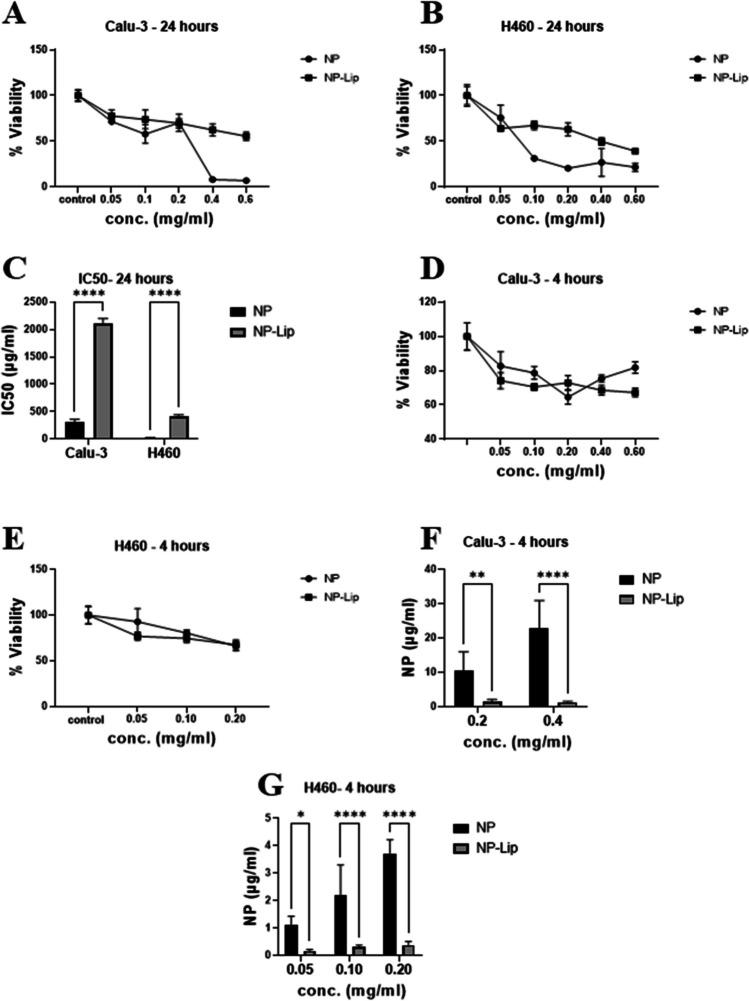
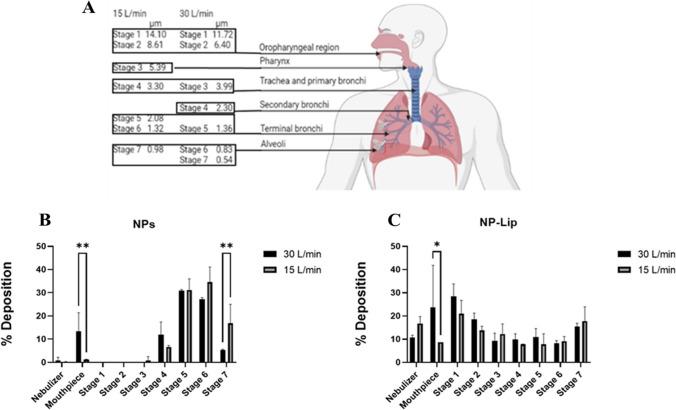
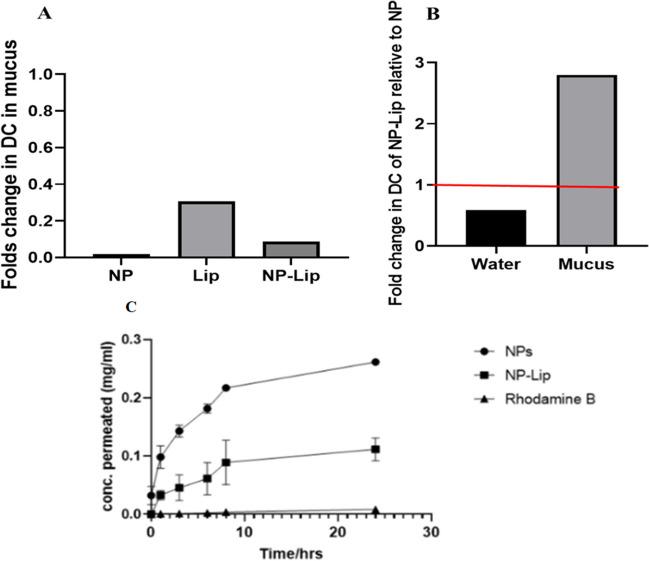
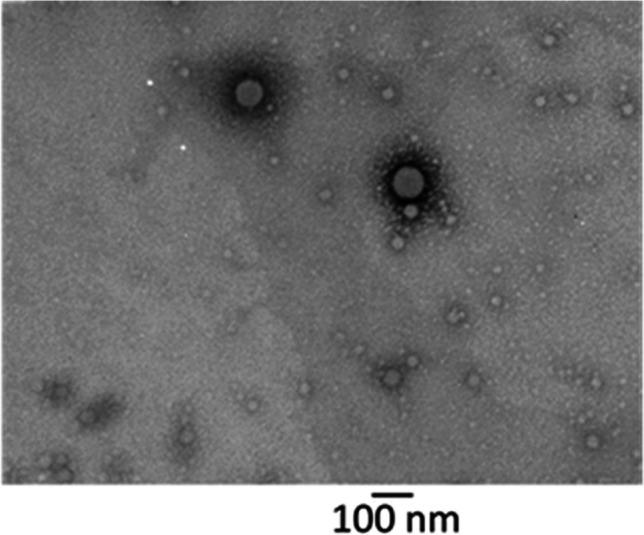
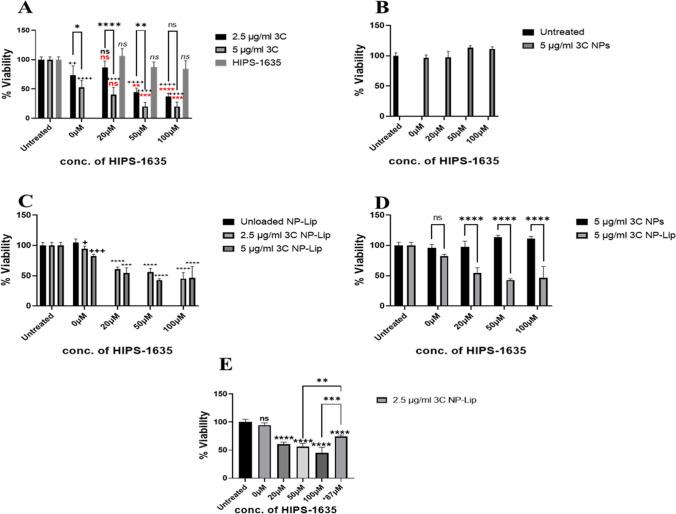
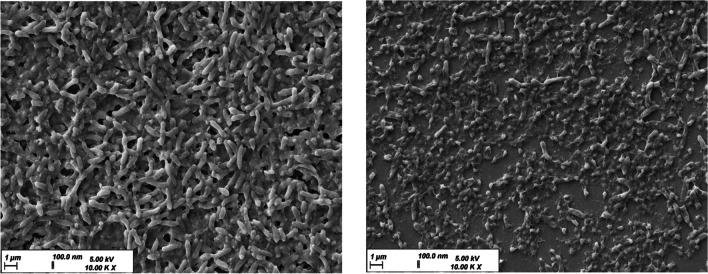
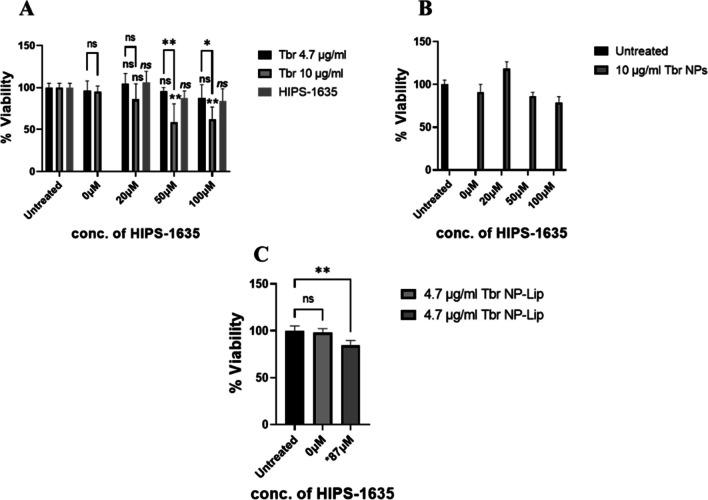
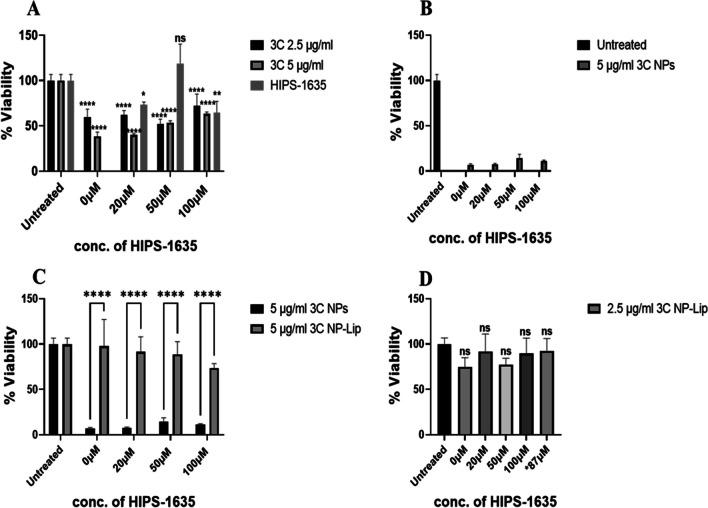
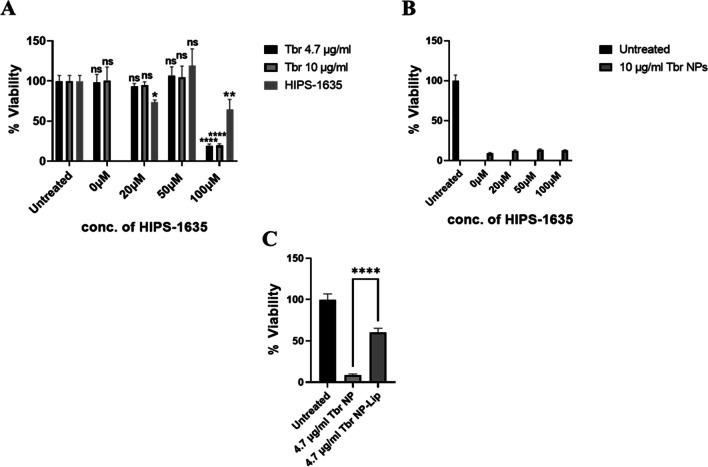
Antibiotic resistance is a cause of serious illness and death, originating often from insufficient permeability into gram-negative bacteria. Nanoparticles (NP) can increase antibiotic delivery in bacterial cells, however, may as well increase internalization in mammalian cells and toxicity. In this work, NP in liposome (NP-Lip) formulations were used to enhance the selectivity of the antibiotics (3C and tobramycin) and quorum sensing inhibitor (HIPS-1635) towards Pseudomonas aeruginosa by fusing with bacterial outer membranes and reducing uptake in mammalian cells due to their larger size. Poly (lactic-co-glycolic) acid NPs were prepared using emulsion solvent evaporation and incorporated in larger liposomes. Cytotoxicity and uptake studies were conducted on two lung cell lines, Calu-3 and H460. NP-Lip showed lower toxicity and uptake in both cell lines. Then formulations were investigated for suitability for oral inhalation. The deposition of NP and NP-Lip in the lungs was assessed by next generation impactor and corresponded to 75% and 45% deposition in the terminal bronchi and the alveoli respectively. Colloidal stability and mucus-interaction studies were conducted. NP-Lip showed higher diffusion through mucus compared to NPs with the use of nanoparticle tracking analyzer. Moreover, the permeation of delivery systems across a liquid-liquid interface epithelial barrier model of Calu-3 cells indicated that NP-Lip could cause less systemic toxicity upon in-vivo like administration by aerosol deposition. Monoculture and Pseudomonas aeruginosa biofilm with Calu-3 cells co-culture experiments were conducted, NP-Lip achieved highest toxicity towards bacterial biofilms and least toxicity % of the Calu-3 cells. Therefore, the NP- liposomal platform offers a promising approach for enhancing antibiotic selectivity and treating pulmonary infections.
抗生素耐药性是导致严重疾病和死亡的原因,其常常源于对革兰氏阴性菌的渗透性不足。纳米颗粒(NP)可以增加抗生素在细菌细胞中的递送,但也可能增加其在哺乳动物细胞中的内化和毒性。在这项工作中,脂质体包裹纳米颗粒(NP-Lip)制剂通过与细菌外膜融合并因其较大尺寸减少在哺乳动物细胞中的摄取,来增强抗生素(3C和妥布霉素)和群体感应抑制剂(HIPS-1635)对铜绿假单胞菌的选择性。聚(乳酸-乙醇酸)纳米颗粒通过乳液溶剂蒸发法制备,并包封于更大的脂质体中。对两种肺细胞系Calu-3和H460进行了细胞毒性和摄取研究。NP-Lip在两种细胞系中均表现出较低的毒性和摄取。然后研究了这些制剂用于口服吸入的适用性。通过下一代撞击器评估NP和NP-Lip在肺部的沉积情况,结果显示它们分别在终末细支气管和肺泡中的沉积率为75%和45%。进行了胶体稳定性和黏液相互作用研究。与纳米颗粒相比,使用纳米颗粒跟踪分析仪发现NP-Lip在黏液中的扩散性更高。此外,递送系统跨Calu-3细胞液-液界面上皮屏障模型的渗透表明,NP-Lip通过气溶胶沉积进行体内样给药时可能引起较低的全身毒性。进行了单培养以及Calu-3细胞与铜绿假单胞菌生物膜的共培养实验,NP-Lip对细菌生物膜的毒性最高,对Calu-3细胞的毒性百分比最低。因此,纳米颗粒-脂质体平台为提高抗生素选择性和治疗肺部感染提供了一种有前景的方法。

 Zotero 插件