
加拿大安大略省黑人、原住民和有色人种(BIPOC)个体中导致疫苗犹豫的障碍与担忧
Barriers and Concerns that Contribute to Vaccine Hesitancy in Black, Indigenous, and People of Colour (BIPOC) Individuals in Ontario, Canada.
作者信息
Nippak Pria, Begum Housne, Ahmed Wajiha, Santhikumar Devi
机构信息
Health Services Management, Ted Rogers School of Management, Toronto Metropolitan University, Toronto, CAN.
出版信息
Cureus. 2024 Jun 24;16(6):e63033. doi: 10.7759/cureus.63033. eCollection 2024 Jun.
BACKGROUND
Despite research demonstrating the effectiveness of COVID-19 vaccines, hesitancy is extremely common in minority communities. The purpose of this study was to identify key barriers and concerns that contribute to vaccine hesitancy in Black, Indigenous, and People of Colour (BIPOC) individuals and provide recommendations to address these barriers and concerns.
METHODS
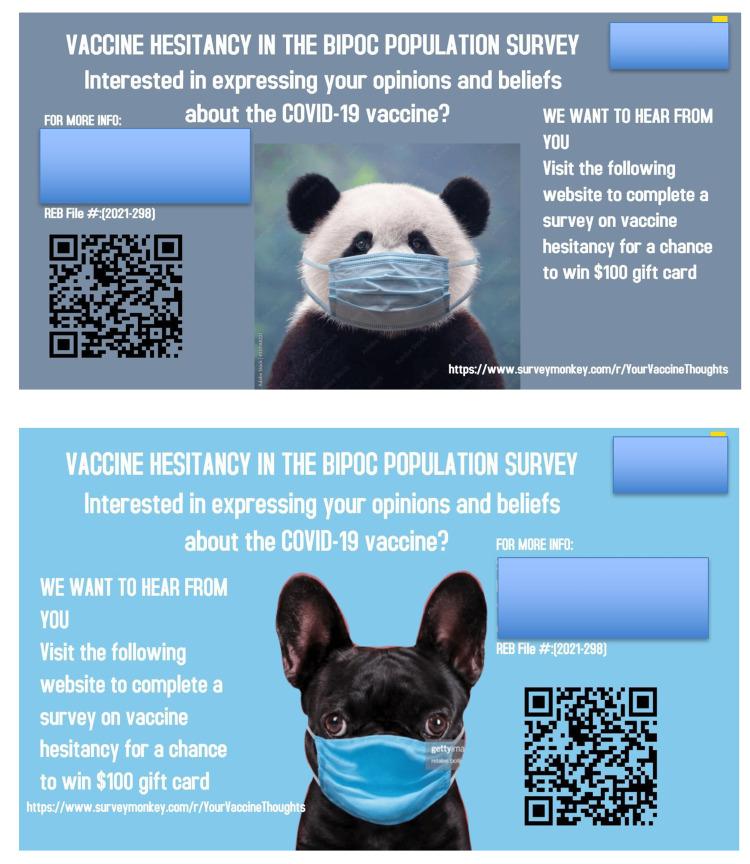
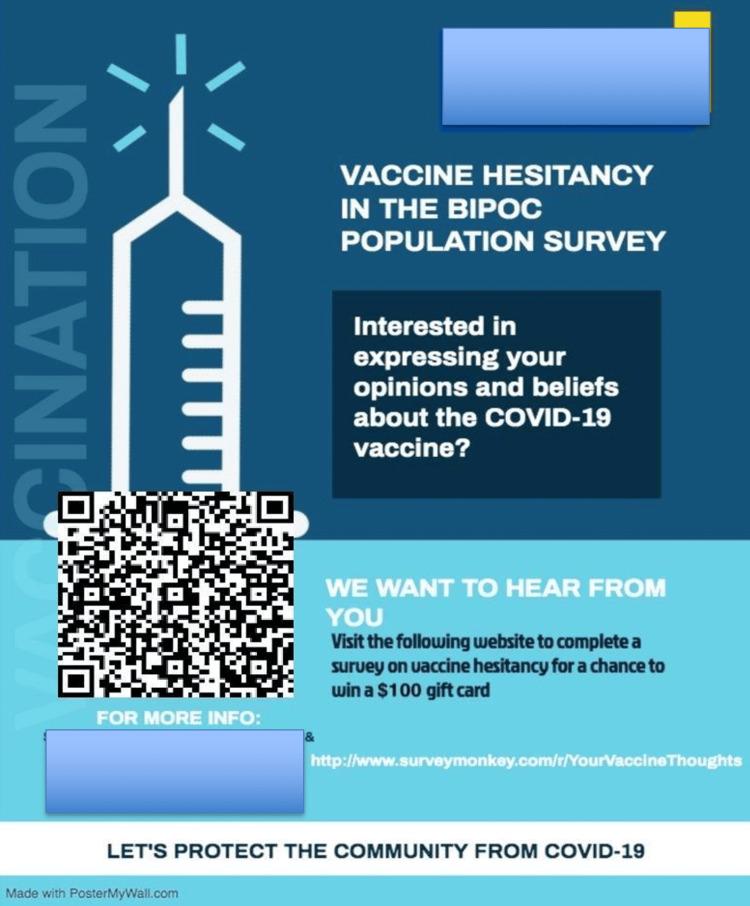
The study was an online cross-sectional survey conducted among 1491 BIPOC and Caucasian adults, recruited using social media networks in August-September 2021. The questionnaire consisted of five sections that probed concerns and attitudes contributing to COVID-19 vaccine hesitancy.
RESULTS
Respondents were mostly Caucasian males (75.7%) and the average age was 29.1 years. A higher proportion of BIPOC respondents received both doses (50.6%) than Caucasian respondents (36.4%). Out of the unvaccinated, a higher percentage of BIPOC respondents did not plan on getting vaccinated (17.1%) compared to Caucasian respondents (4.2%). BIPOC respondents preferred the Pfizer-BioNTech (34.1%) vaccine whereas Caucasian respondents preferred AstraZeneca (29.3%). The biggest concern BIPOC and Caucasian respondents had with COVID-19 vaccines were side effects (56.6% vs 54.4%, respectively). BIPOC respondents identified dependability as the next biggest concern after side effects. A higher percentage of BIPOC respondents were against getting vaccinated against COVID-19 (16% vs 1.2%) compared to Caucasian respondents.
CONCLUSION
Among unvaccinated respondents, COVID-19 vaccine hesitancy was most evident in the BIPOC respondents compared to Caucasian respondents. Side effects, trustworthiness, and lack of information were identified as the three most common concerns surrounding vaccines in general. Increased accessibility to reliable and accurate vaccine information in various languages/dialects can raise awareness about COVID-19 vaccinations in BIPOC communities.
背景
尽管有研究表明新冠疫苗有效,但在少数族裔社区,疫苗犹豫现象极为普遍。本研究旨在确定导致黑种人、原住民和有色人种(BIPOC)群体疫苗犹豫的关键障碍和担忧,并提供解决这些障碍和担忧的建议。
方法
该研究是一项在线横断面调查,于2021年8月至9月通过社交媒体网络招募了1491名BIPOC和白种成年人。问卷由五个部分组成,探究了导致新冠疫苗犹豫的担忧和态度。
结果
受访者大多为白种男性(75.7%),平均年龄为29.1岁。接种两剂疫苗的BIPOC受访者比例(50.6%)高于白种受访者(36.4%)。在未接种疫苗的人群中,不打算接种疫苗的BIPOC受访者比例(17.1%)高于白种受访者(4.(此处原文有误,应为4.2%))。BIPOC受访者更喜欢辉瑞 - 生物科技公司的疫苗(34.1%),而白种受访者更喜欢阿斯利康疫苗(29.3%)。BIPOC和白种受访者对新冠疫苗最大的担忧都是副作用(分别为56.6%和54.4%)。BIPOC受访者将可靠性视为仅次于副作用的第二大担忧。与白种受访者相比,反对接种新冠疫苗的BIPOC受访者比例更高(16%对(此处原文有误,应为1.2%))。
结论
在未接种疫苗的受访者中,与白种受访者相比,BIPOC受访者的新冠疫苗犹豫现象最为明显。副作用、可信度和信息缺乏被确定为总体上围绕疫苗的三个最常见担忧。以多种语言/方言提供可靠准确的疫苗信息,可提高BIPOC社区对新冠疫苗接种的认识。


 Zotero 插件