
具有生物启发纳米系统的精准纳米医学:靶向纳米治疗中基于间充质干细胞膜包覆生物工程纳米载体的最新趋势与挑战
Precision Nanomedicine with Bio-Inspired Nanosystems: Recent Trends and Challenges in Mesenchymal Stem Cells Membrane-Coated Bioengineered Nanocarriers in Targeted Nanotherapeutics.
作者信息
Baig Mirza Salman, Ahmad Anas, Pathan Rijawan Rajjak, Mishra Rakesh Kumar
机构信息
Anjuman-I-Islam Kalsekar Technical Campus School of Pharmacy, Sector-16, Near Thana Naka, Khandagao, New Panvel, Navi Mumbai 410206, Maharashtra, India.
Julia McFarlane Diabetes Research Centre (JMDRC), Department of Microbiology, Immunology and Infectious Diseases, Snyder Institute for Chronic Diseases, Hotchkiss Brain Institute, Cumming School of Medicine, Foothills Medical Centre, University of Calgary, Calgary, AB T2N 4N1, Canada.
出版信息
J Xenobiot. 2024 Jun 24;14(3):827-872. doi: 10.3390/jox14030047.
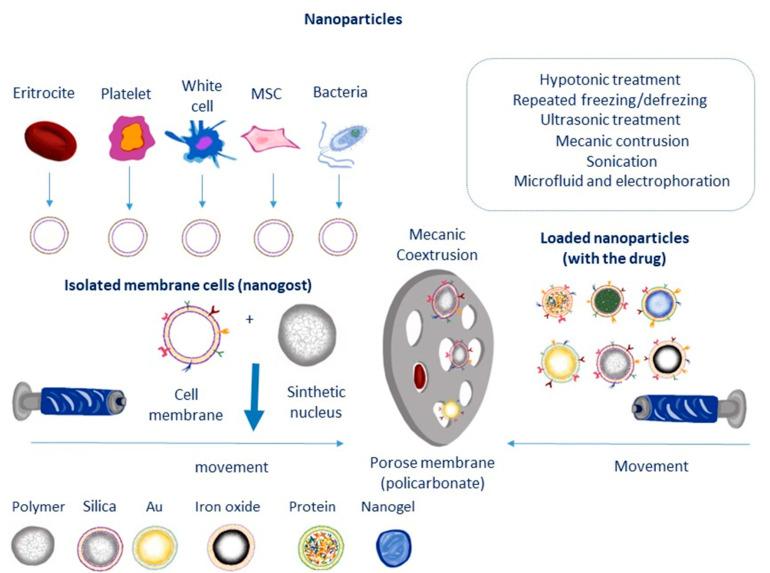
In the recent past, the formulation and development of nanocarriers has been elaborated into the broader fields and opened various avenues in their preclinical and clinical applications. In particular, the cellular membrane-based nanoformulations have been formulated to surpass and surmount the limitations and restrictions associated with naïve or free forms of therapeutic compounds and circumvent various physicochemical and immunological barriers including but not limited to systemic barriers, microenvironmental roadblocks, and other cellular or subcellular hinderances-which are quite heterogeneous throughout the diseases and patient cohorts. These limitations in drug delivery have been overcome through mesenchymal cells membrane-based precision therapeutics, where these interventions have led to the significant enhancements in therapeutic efficacies. However, the formulation and development of nanocarriers still focuses on optimization of drug delivery paradigms with a one-size-fits-all resolutions. As mesenchymal stem cell membrane-based nanocarriers have been engineered in highly diversified fashions, these are being optimized for delivering the drug payloads in more and better personalized modes, entering the arena of precision as well as personalized nanomedicine. In this Review, we have included some of the advanced nanocarriers which have been designed and been utilized in both the non-personalized as well as precision applicability which can be employed for the improvements in precision nanotherapeutics. In the present report, authors have focused on various other aspects of the advancements in stem cells membrane-based nanoparticle conceptions which can surmount several roadblocks and barriers in drug delivery and nanomedicine. It has been suggested that well-informed designing of these nanocarriers will lead to appreciable improvements in the therapeutic efficacy in therapeutic payload delivery applications. These approaches will also enable the tailored and customized designs of MSC-based nanocarriers for personalized therapeutic applications, and finally amending the patient outcomes.
近年来,纳米载体的制备与研发已拓展至更广泛领域,并在其临床前和临床应用中开辟了各种途径。特别是,基于细胞膜的纳米制剂已被制备出来,以超越和克服与单纯或游离形式的治疗性化合物相关的局限性和限制,并规避各种物理化学和免疫屏障,包括但不限于全身屏障、微环境障碍以及其他细胞或亚细胞阻碍——这些在不同疾病和患者群体中差异很大。药物递送中的这些局限性已通过基于间充质细胞膜的精准治疗得以克服,这些干预措施显著提高了治疗效果。然而,纳米载体的制备与研发仍侧重于采用一刀切的方法优化药物递送模式。由于基于间充质干细胞膜的纳米载体已通过高度多样化的方式进行了工程设计,它们正朝着以更多更好的个性化模式递送药物 payload 的方向进行优化,从而进入精准和个性化纳米医学领域。在本综述中,我们纳入了一些先进的纳米载体,它们已被设计并应用于非个性化以及精准适用性,可用于改进精准纳米治疗。在本报告中,作者关注了基于干细胞膜的纳米颗粒概念进展的其他各个方面,这些进展可以克服药物递送和纳米医学中的几个障碍。有人认为,对这些纳米载体进行明智的设计将在治疗 payload 递送应用中显著提高治疗效果。这些方法还将实现基于间充质干细胞的纳米载体的定制设计,用于个性化治疗应用,并最终改善患者预后。


 Zotero 插件