
水飞蓟宾聚乙二醇化介孔硅纳米载体的合成、表征及体外评价:对 SW480 结肠癌细胞的潜在抗癌作用。
Synthesis, Characterization, and In-Vitro Evaluation of Silibinin-loaded PEGylated Niosomal Nanoparticles: Potential Anti-Cancer Effects on SW480 Colon Cancer Cells.
机构信息
Department of Pharmaceutical Chemistry, College of Pharmacy, University of Kerbala, Kerbala, Iraq.
Department of Anesthesia Techniques, College of Health and Medical Techniques, Al-Zahraa University for Women, Kerbala, Iraq.
出版信息
Asian Pac J Cancer Prev. 2024 Jul 1;25(7):2539-2550. doi: 10.31557/APJCP.2024.25.7.2539.
OBJECTIVE
Colorectal cancer is a significant global health concern with high mortality rates. Silibinin is a compound derived from milk thistle with anticancer properties and may be a potential treatment option for colorectal cancer. Its poor solubility limits its clinical application, but various strategies, such as nanoparticle encapsulation, have shown promise. In this study, a PEGylated niosomal drug delivery system was used to enhance the solubility of silibinin, and its anti-proliferative effects were evaluated against human colorectal cancer cell lines.
METHODS
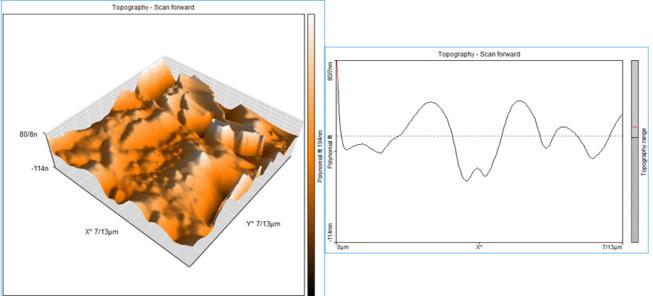
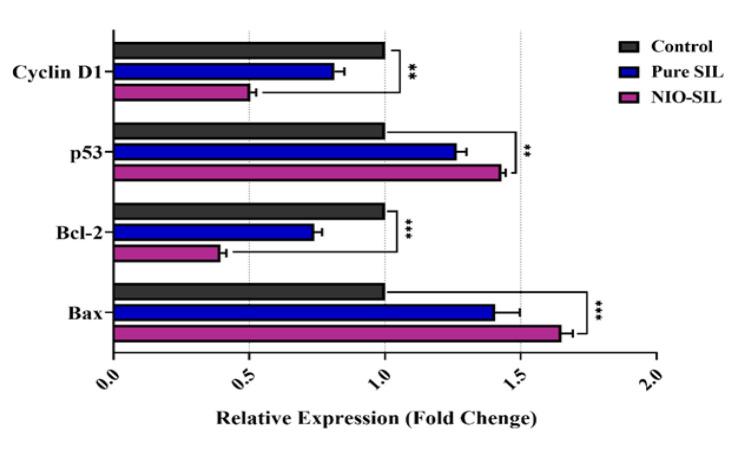
The silibinin-loaded PEGylated niosomal nanoparticles (NIO-SIL) were fabricated using the thin-film hydration method and characterized with dialysis bag, AFM, SEM, DLS, and FTIR systems. Finally, the cancerous cells and human normal cells were treated with NIO-SIL and pure silibinin. The proliferation, apoptosis, and cell cycle of these cells were evaluated. Subsequently, the expression of Bax, Bcl-2, p53, and cyclin D1 genes was measured using real-time PCR.
RESULT
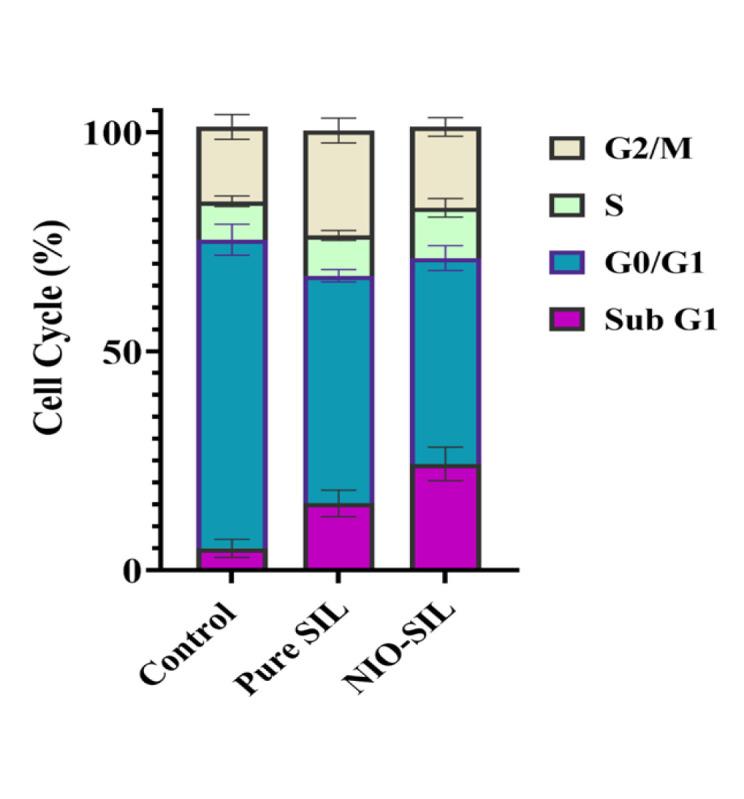
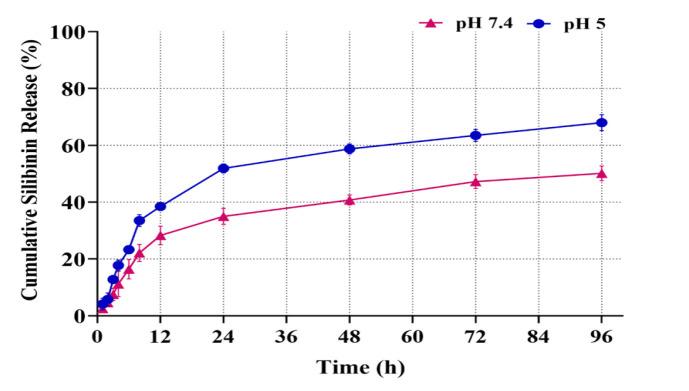
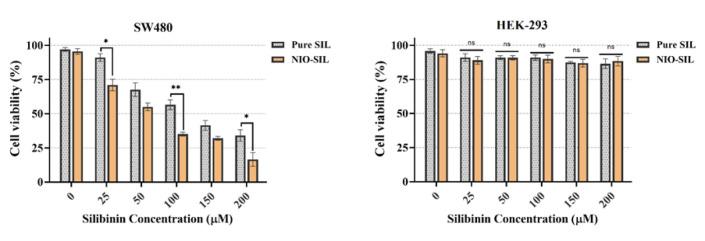
The drug release profile, size, morphology, and chemical interactions of the synthesized PEGylated niosomal nanoparticles were suitable for use as a drug delivery system. Both pure silibinin and NIO-SIL could reduce the proliferation of cancerous cells, induce apoptosis, and cause cell cycle arrest, with no significant negative effects reported on human normal cells. Both pure silibinin and NIO-SIL reduced the expression of the Bcl-2 and cyclin D1 genes while increasing the expression of Bax and p53. (p-value < 0.05 *).
CONCLUSION
The outcomes of this study indicate the high potential of PEGylated niosomal nanoparticles for encapsulation and delivery of silibinin to cancer cells, with no negative effects on normal cells.
目的
结直肠癌是一个具有高死亡率的重大全球健康问题。水飞蓟素是一种来源于奶蓟草的具有抗癌特性的化合物,可能是结直肠癌的潜在治疗选择。但其溶解度差限制了其临床应用,但各种策略,如纳米粒子包封,已显示出前景。在这项研究中,使用聚乙二醇化的非离子表面活性剂囊泡药物传递系统来提高水飞蓟素的溶解度,并评估其对人结直肠癌细胞系的抗增殖作用。
方法
采用薄膜水化法制备载有水飞蓟素的聚乙二醇化非离子表面活性剂囊泡(NIO-SIL),并通过透析袋、原子力显微镜、扫描电子显微镜、动态光散射和傅里叶变换红外光谱系统对其进行了表征。最后,用 NIO-SIL 和纯水飞蓟素处理癌变细胞和人正常细胞。评估这些细胞的增殖、凋亡和细胞周期。随后,使用实时 PCR 测量 Bax、Bcl-2、p53 和 cyclin D1 基因的表达。
结果
合成的聚乙二醇化非离子表面活性剂囊泡的药物释放曲线、大小、形态和化学相互作用都适合用作药物传递系统。纯水飞蓟素和 NIO-SIL 均可降低癌细胞的增殖,诱导细胞凋亡并导致细胞周期停滞,对人正常细胞没有明显的负作用。纯水飞蓟素和 NIO-SIL 均降低了 Bcl-2 和 cyclin D1 基因的表达,同时增加了 Bax 和 p53 基因的表达(p 值<0.05*)。
结论
本研究结果表明,聚乙二醇化非离子表面活性剂囊泡具有将水飞蓟素封装并递送至癌细胞而对正常细胞无负作用的巨大潜力。




 Zotero 插件