
天然黄酮类化合物在糖尿病肾病中的分子机制及治疗潜力:细胞内发育信号通路的调节
Molecular mechanisms and therapeutic potential of natural flavonoids in diabetic nephropathy: Modulation of intracellular developmental signaling pathways.
作者信息
Sulaiman Mahaboob Khan
机构信息
Fatima College of Health Sciences, Ajman, United Arab Emirates.
出版信息
Curr Res Pharmacol Drug Discov. 2024 Jul 3;7:100194. doi: 10.1016/j.crphar.2024.100194. eCollection 2024.
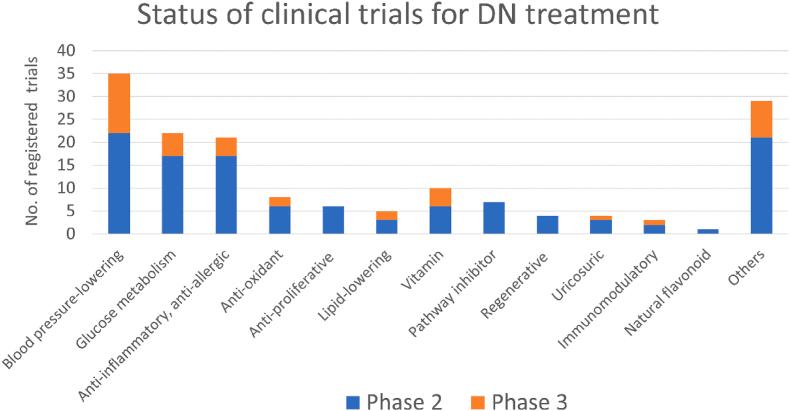
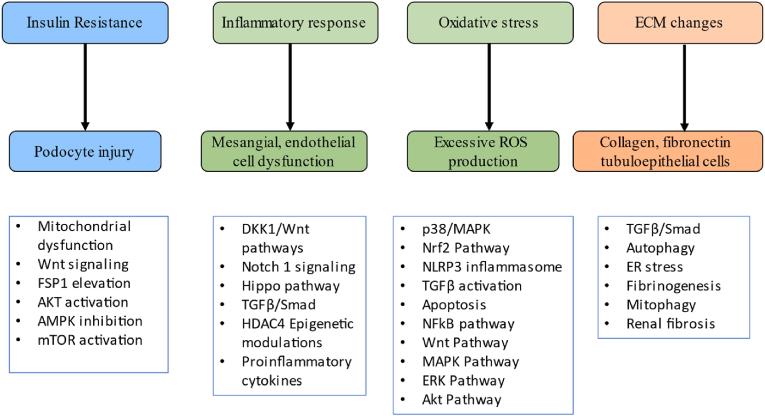
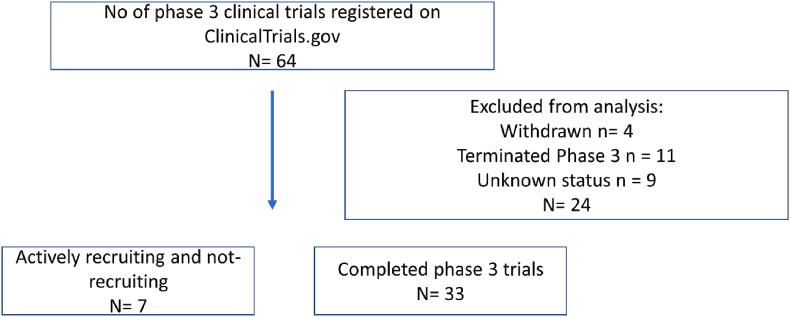
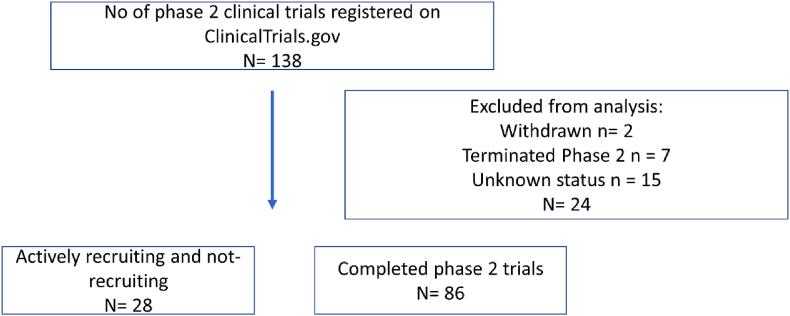
Recognized as a common microvascular complication of diabetes mellitus (DM), diabetic nephropathy (DN) is the principal cause of chronic end-stage renal disease (ESRD). Patients with diabetes have an approximately 25% risk of developing progressive renal disease. The underlying principles of DN control targets the dual outcomes of blood glucose regulation through sodium glucose cotransporter 2 (SGLT 2) blockade and hypertension management through renin-angiotensin-aldosterone inhibition. However, these treatments are ineffective in halting disease progression to kidney failure and cardiovascular comorbidities. Recently, the dysregulation of subcellular signaling pathways has been increasingly implicated in DN pathogenesis. Natural compounds are emerging as effective and side-effect-free therapeutic agents that target intracellular pathways. This narrative review synthesizes recent insights into the dysregulation of maintenance pathways in DN, drawing from animal and human studies. To compile this review, articles reporting DN signaling pathways and their treatment with natural flavonoids were collected from PubMed, Cochrane Library Web of Science, Google Scholar and EMBASE databases since 2000. As therapeutic interventions are frequently based on the results of clinical trials, a brief analysis of data from current phase II and III clinical trials on DN is discussed.
糖尿病肾病(DN)被认为是糖尿病(DM)常见的微血管并发症,是慢性终末期肾病(ESRD)的主要原因。糖尿病患者发生进行性肾病的风险约为25%。DN控制的基本原则是通过钠-葡萄糖协同转运蛋白2(SGLT 2)阻断来调节血糖,以及通过抑制肾素-血管紧张素-醛固酮来控制高血压。然而,这些治疗在阻止疾病进展至肾衰竭和心血管合并症方面无效。最近,亚细胞信号通路的失调越来越多地与DN的发病机制相关。天然化合物正成为针对细胞内途径的有效且无副作用的治疗剂。这篇叙述性综述综合了来自动物和人体研究的关于DN维持途径失调的最新见解。为撰写本综述,自2000年以来,从PubMed、Cochrane图书馆、科学网、谷歌学术和EMBASE数据库收集了报道DN信号通路及其天然黄酮类化合物治疗的文章。由于治疗干预通常基于临床试验结果,本文还讨论了当前关于DN的II期和III期临床试验数据的简要分析。


 Zotero 插件