
钠/氢交换体1型(NHE1)在心脏生理和病理中的作用所遗留的难题:能否得到解决?
The Remaining Conundrum of the Role of the Na/H Exchanger Isoform 1 (NHE1) in Cardiac Physiology and Pathology: Can It Be Rectified?
作者信息
Karmazyn Morris, Pierce Grant N, Fliegel Larry
机构信息
Department of Physiology and Pharmacology, University of Western Ontario, London, ON N6A 5C1, Canada.
Institute of Cardiovascular Sciences, Albrechtsen Research Centre, St. Boniface Hospital, and Department of Physiology and Pathophysiology, Rady Faculty of Health Sciences, University of Manitoba, Winnipeg, MB R2H 2A6, Canada.
出版信息
Rev Cardiovasc Med. 2022 Aug 15;23(8):284. doi: 10.31083/j.rcm2308284. eCollection 2022 Aug.
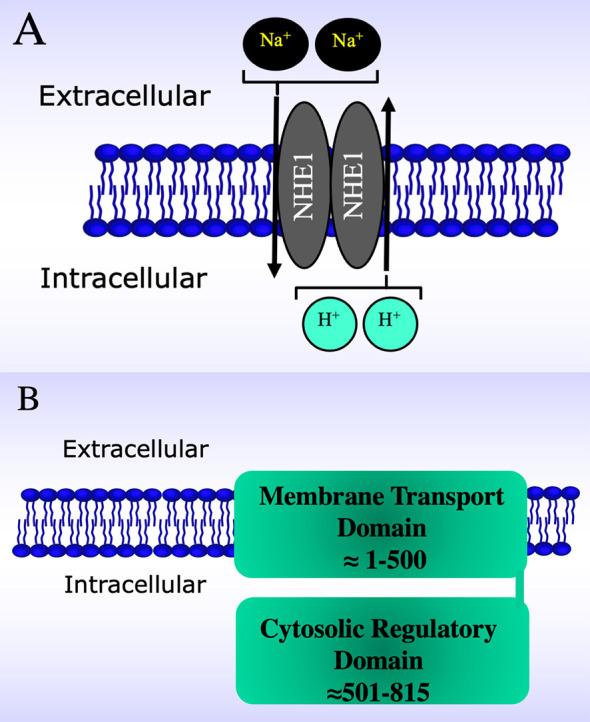
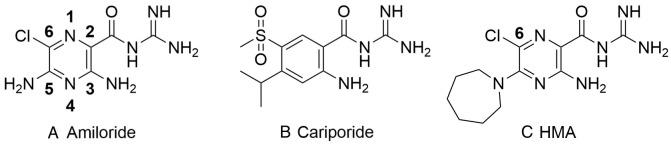
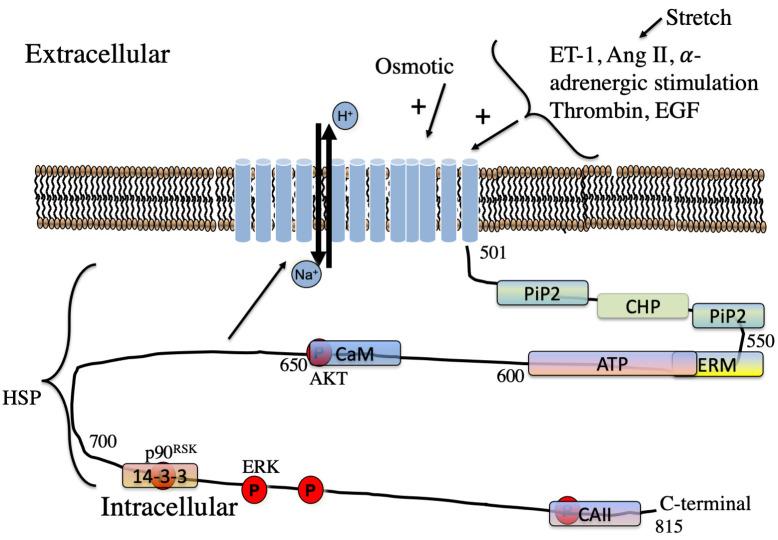
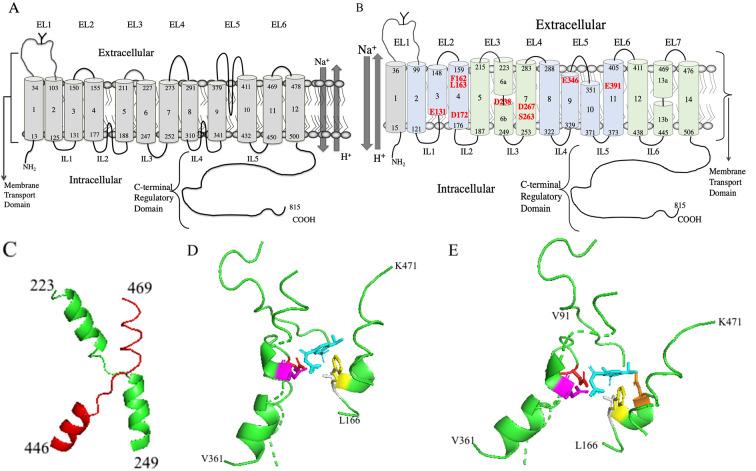
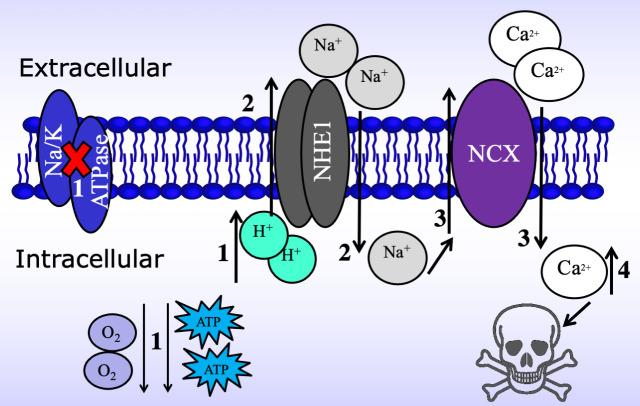
The mammalian exchanger (NHE) is a family of ubiquitous membrane proteins present in humans. Isoform one (NHE1) is present on the plasma membrane and regulates intracellular pH by removal of one intracellular proton in exchange for one extracellular sodium thus functioning as an electroneutral process. Human NHE1 has a 500 amino acid membrane domain plus a C-terminal 315 amino acid, regulatory cytosolic tail. It is regulated through a cytosolic regulatory C-terminal tail which is subject to phosphorylation and is modulated by proteins and lipids. Substantial evidence has implicated NHE1 activity in both myocardial ischemia and reperfusion damage and myocardial remodeling resulting in heart failure. Experimental data show excellent cardioprotection with NHE1 inhibitors although results from clinical results have been mixed. In cardiac surgery patients receiving the NHE1 inhibitor cariporide, subgroups showed beneficial effects of treatment. However, in one trial this was associated with a significantly increased incidence of ischemic strokes. This likely reflected both inappropriate dosing regimens as well as overly high drug doses. We suggest that further progress towards NHE1 inhibition as a treatment for cardiovascular disease is warranted through the development of novel compounds to inhibit NHE1 that are structurally different than those previously used in compromised clinical trials. Some novel pyrazinoyl guanidine inhibitors of NHE1 are already in development and the recent elucidation of the three-dimensional structure of the NHE1 protein and identity of the inhibitor binding site may facilitate development. An alternative approach may also be to control the endogenous regulation of activity of NHE1, which is activated in disease.
哺乳动物交换体(NHE)是一类在人类中普遍存在的膜蛋白家族。异构体1(NHE1)存在于质膜上,通过去除一个细胞内质子以交换一个细胞外钠离子来调节细胞内pH值,从而作为一个电中性过程发挥作用。人类NHE1有一个500个氨基酸的膜结构域加上一个C端315个氨基酸的调节性胞质尾巴。它通过一个胞质调节性C端尾巴进行调节,该尾巴会发生磷酸化,并受到蛋白质和脂质的调节。大量证据表明NHE1活性与心肌缺血、再灌注损伤以及导致心力衰竭的心肌重塑有关。实验数据显示NHE1抑制剂具有出色的心脏保护作用,尽管临床结果不一。在接受NHE1抑制剂卡立泊来德的心脏手术患者中,亚组显示出治疗的有益效果。然而,在一项试验中,这与缺血性中风的发生率显著增加有关。这可能既反映了给药方案不当,也反映了药物剂量过高。我们建议,通过开发结构不同于先前在有缺陷的临床试验中使用的新型NHE1抑制剂,有望在将NHE1抑制作为心血管疾病治疗方法方面取得进一步进展。一些新型的NHE1吡嗪酰胍抑制剂已经在研发中,最近对NHE1蛋白三维结构的阐明以及抑制剂结合位点的确定可能会促进研发。另一种方法也可能是控制在疾病中被激活的NHE1活性的内源性调节。
 Zotero 插件