
护士主导的个体化自我护理模式对糖尿病心肌梗死患者的影响:一项随机对照试验性研究
Effect of Nurse-Led Individualised Self-Care Model on Myocardial Infarction Patients with Diabetes: A Randomised Controlled Pilot Trial.
作者信息
Zhang Jia, Zhou Xue-Mei, Qian Ke-Ke, Yu Jian-Dong, He Hong-Wei, Zhao Li-Hua, Yang Wen-Wen, Geng Gui-Ling, Shen Hong-Wu
机构信息
Department of Cardiology, Affiliated Hospital of Nantong University, 226000 Nantong, Jiangsu, China.
School of Medicine, Nantong University, 226019 Nantong, Jiangsu, China.
出版信息
Rev Cardiovasc Med. 2023 Jan 16;24(1):31. doi: 10.31083/j.rcm2401031. eCollection 2023 Jan.
BACKGROUND
To assess the effectiveness of the nurse-led individualised self-care model on myocardial infarction (MI) patients with diabetes.
METHODS
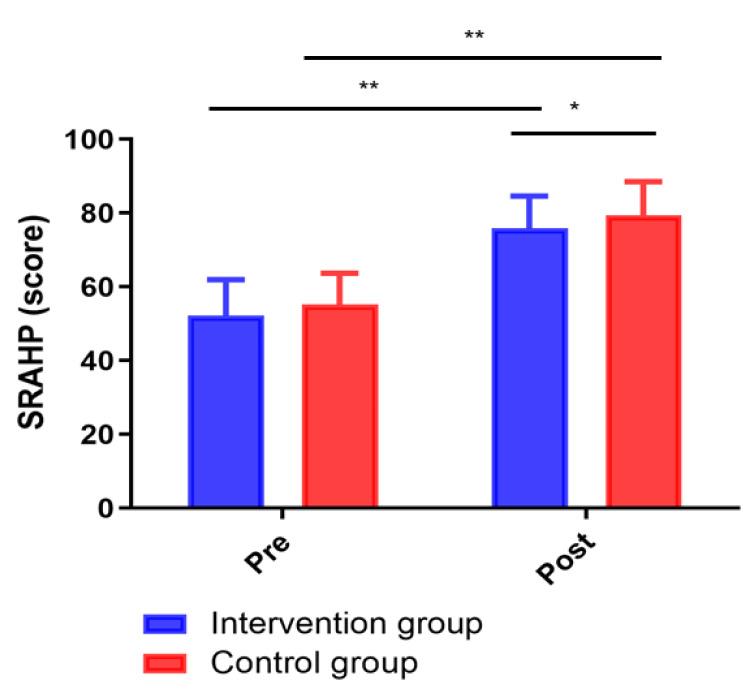
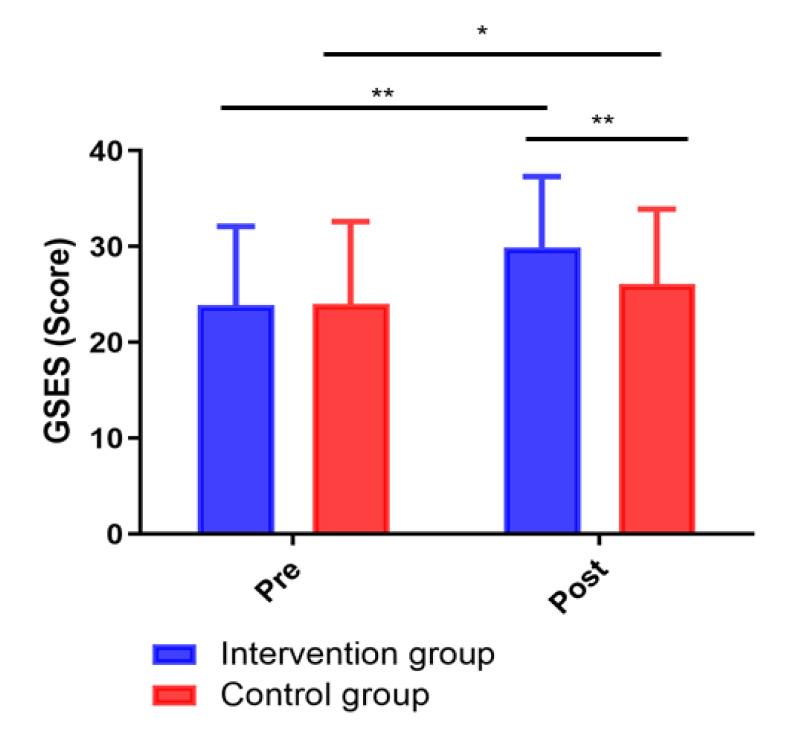
A total of 120 MI patients were enrolled from May 2020 to December 2021. The intervention group received the nurse-led individualised self-care model (n = 60), whereas the control group only received routine health education (n = 60). The Myocardial Infarction Dimensional Assessment Scale (MIDAS), Coronary Heart Disease Self-Management Behavior Scale (CSMS), Self-Rated Abilities for Health Practices (SRAHP) scale, General Self-Efficacy Scale (GSES), Hospital Anxiety and Depression Scale (HADS), blood glucose and nursing satisfaction in both groups were observed and recorded.
RESULTS
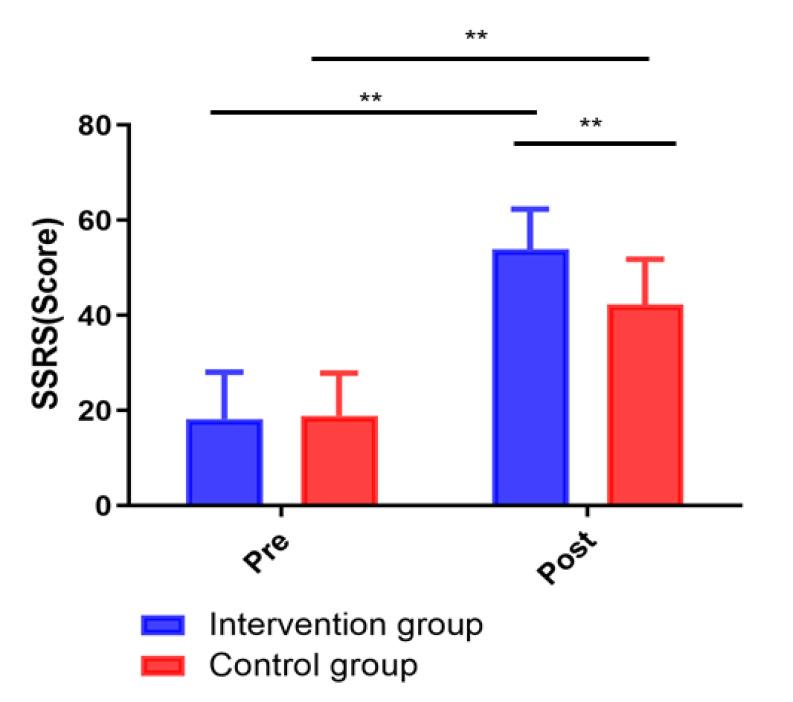
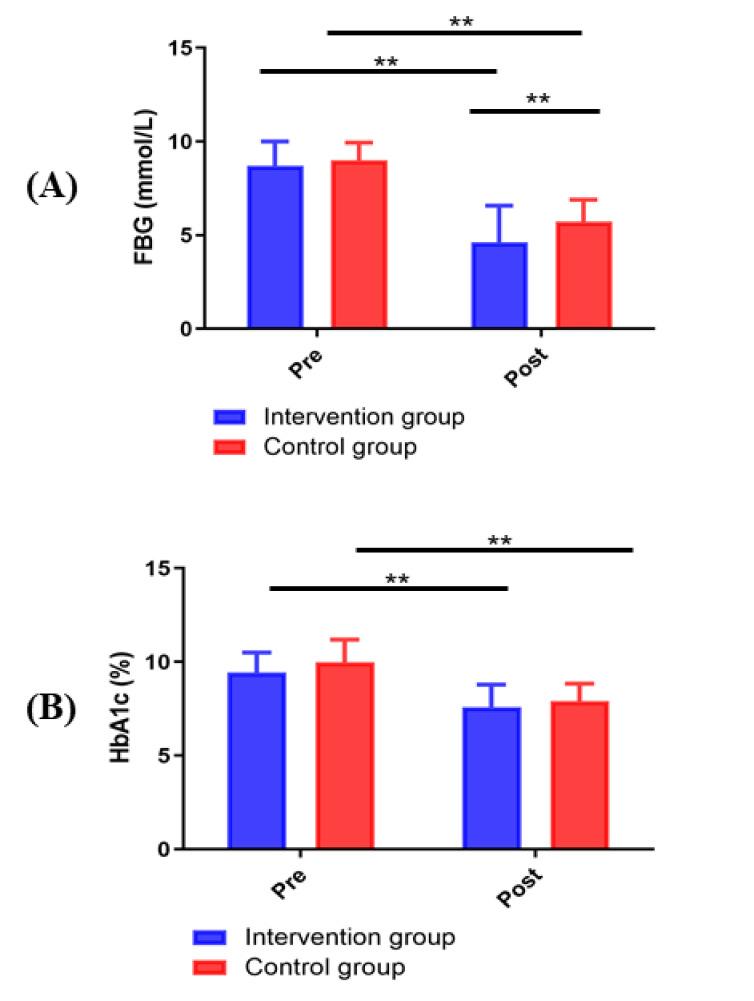
The six MIDAS subscales except for insecurity, and all dimensions of the CSMS, SRAHP, GSES and HADS scores, of the intervention group were significantly improved compared to those of the control group ( 0.05). Compared with the control group (5.69 1.43 mmol/L), the intervention group showed a decrease in the serum levels of fasting blood glucose (4.83 1.57 mmol/L; 0.01).
CONCLUSIONS
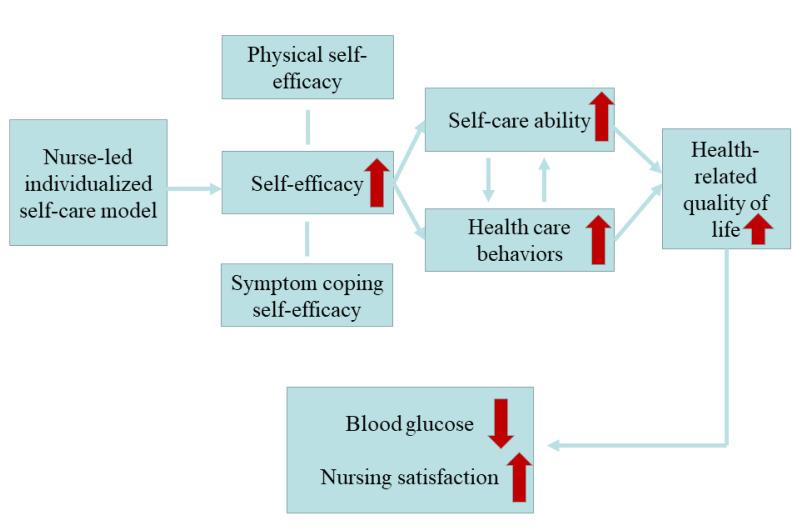
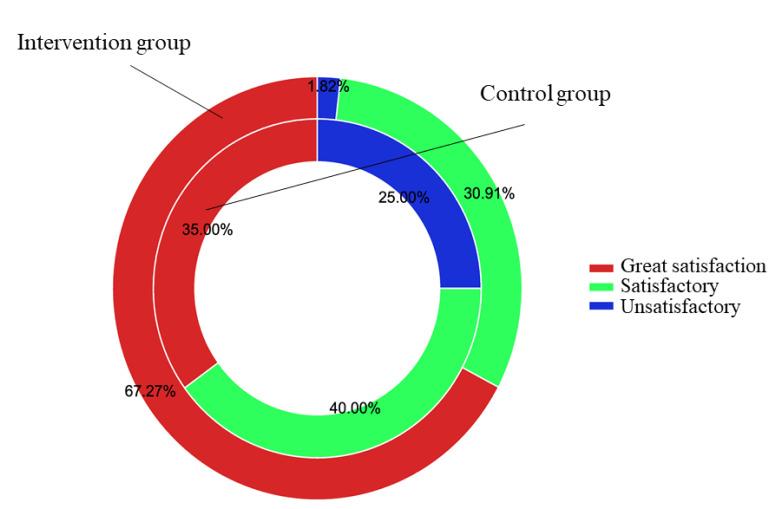
Our pilot study provides preliminary evidence supporting the feasibility of implementing nurse-led individualised self-care, suggesting its preliminary effects in improving health-related quality of life, self-care ability, health behaviours, self-efficacy, social support and nursing satisfaction among MI patients with diabetes. However, considering the unblinded and pilot nature of this study, these positive results should be interpreted with caution.
CLINICAL TRIAL REGISTRATION
OSF Registration number: DOI 10.17605/OSF.IO/DVW95 (https://archive.org/details/osf-registrations-dvw95-v1).
背景
评估护士主导的个体化自我护理模式对糖尿病心肌梗死(MI)患者的有效性。
方法
2020年5月至2021年12月共纳入120例MI患者。干预组接受护士主导的个体化自我护理模式(n = 60),而对照组仅接受常规健康教育(n = 60)。观察并记录两组的心肌梗死维度评估量表(MIDAS)、冠心病自我管理行为量表(CSMS)﹑健康行为自评能力(SRAHP)量表、一般自我效能感量表(GSES)、医院焦虑抑郁量表(HADS)、血糖及护理满意度。
结果
与对照组相比,干预组除不安全感外的六个MIDAS子量表,以及CSMS、SRAHP、GSES和HADS评分的所有维度均有显著改善(P<0.05)。与对照组(5.69±1.43 mmol/L)相比,干预组空腹血糖水平降低(4.83±1.57 mmol/L;P<0.01)。
结论
我们的初步研究提供了初步证据,支持实施护士主导的个体化自我护理的可行性,表明其在改善糖尿病MI患者的健康相关生活质量、自我护理能力、健康行为、自我效能感、社会支持和护理满意度方面的初步效果。然而,考虑到本研究的非盲法和初步性质,这些阳性结果应谨慎解读。
临床试验注册
OSF注册号:DOI 10.17605/OSF.IO/DVW95(https://archive.org/details/osf-registrations-dvw95-v1)



 Zotero 插件