
不同粒径聚苯乙烯微/纳米塑料在小鼠体内的生物分布与体内毒性分析。
Analysis of Biodistribution and in vivo Toxicity of Varying Sized Polystyrene Micro and Nanoplastics in Mice.
机构信息
Dongguan Key Laboratory of Environmental Medicine, School of Public Health, Guangdong Medical University, Dongguan, Guangdong Province, 523808, People's Republic of China.
Experimental Animal Center, Guangdong Medical University, Dongguan, Guangdong Province, 523808, People's Republic of China.
出版信息
Int J Nanomedicine. 2024 Jul 26;19:7617-7630. doi: 10.2147/IJN.S466258. eCollection 2024.
INTRODUCTION
Studies have shown that microplastics (MPs) and nanoplastics (NPs) could accumulate in the human body and pose a potential threat to human health. The purpose of this study is to evaluate the biodistribution and toxicity of MPs/NPs with different particle sizes comprehensively and thoroughly.
METHODS
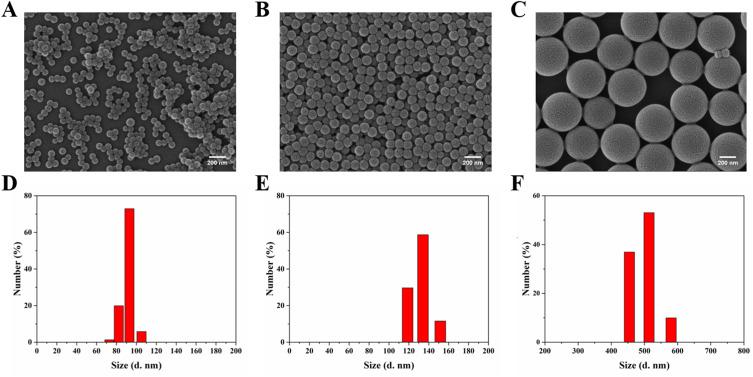
The purpose of this study was to investigate the biodistribution and in vivo toxicity of polystyrene (PS) MPs/NPs with different sizes (50 nm, 100 nm, and 500 nm). The BALB/c mice were given 100 μL of PS50, PS100 and PS500 at the dosage of 1 mg/kg BW or 10 mg/kg BW, respectively, by gavage once a day. After 28 consecutive days of treatment, the biodistribution of differently sized PS MPs/NPs was determined through cryosection fluorescence microscopy and fluorescent microplate reader analysis, and the subsequent effects of differently sized PS MPs/NPs on histopathology, hematology and blood biochemistry were also evaluated.
RESULTS
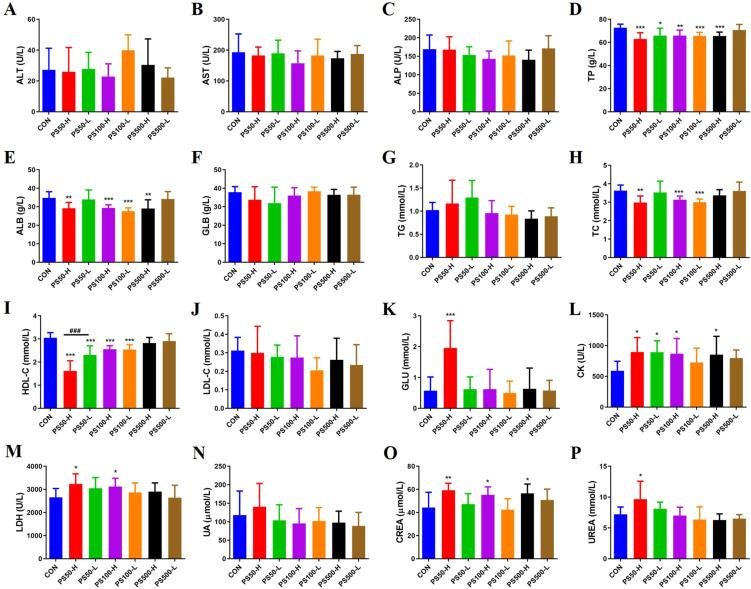
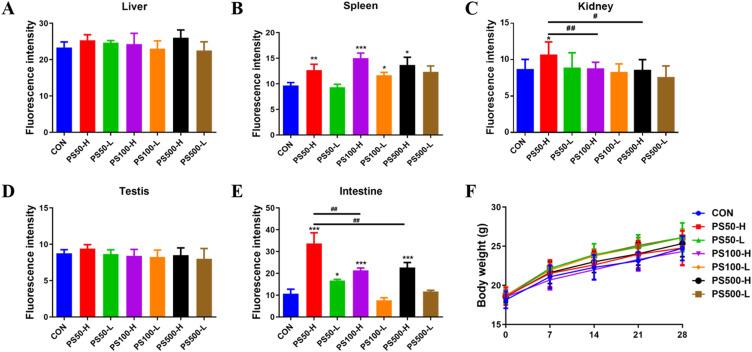
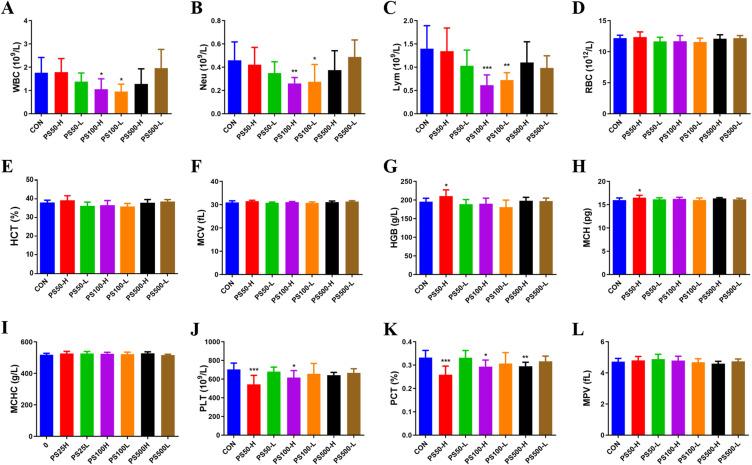
The results showed that the three different sizes of PS MPs/NPs were distributed in the organs of mice, mainly in the liver, spleen, and intestine. At the same time, the smaller the particle size, the more they accumulate in the body and more easily penetrate the tissue. During the whole observation period, no abnormal behavior and weight change were observed. The results of H&E staining showed that no severe histopathological abnormalities were observed in the main organs in the low-dose exposure group, while. Exposure of three sizes of PS MPs/NPs could cause some changes in hematological parameters or biochemical parameters related to heart, liver, and kidney function; meanwhile, there were size- and dose-dependencies.
CONCLUSION
The biological distribution and toxicity of plastic particles in mice were more obvious with the decrease of particle size and the increase of concentration of plastic particles. Compared with MPs, NPs were easier to enter the tissues and produce changes in liver, kidney, and heart functions. Therefore, more attention should be paid to the toxicity of NPs.
简介
研究表明,微塑料(MPs)和纳米塑料(NPs)可能在人体内积累,对人类健康构成潜在威胁。本研究的目的是全面彻底地评估不同粒径 MPs/NPs 的体内分布和毒性。
方法
本研究旨在研究不同粒径(50nm、100nm 和 500nm)的聚苯乙烯(PS) MPs/NPs 的体内分布和体内毒性。通过灌胃分别给予 BALB/c 小鼠 100μL 的 PS50、PS100 和 PS500,剂量为 1mg/kg BW 或 10mg/kg BW,每天一次。连续治疗 28 天后,通过冷冻切片荧光显微镜和荧光微孔板读数分析确定不同粒径 PS MPs/NPs 的分布情况,并评估不同粒径 PS MPs/NPs 对组织病理学、血液学和血液生化学的后续影响。
结果
结果表明,三种不同粒径的 PS MPs/NPs 分布在小鼠的器官中,主要分布在肝脏、脾脏和肠道。同时,粒径越小,在体内积累的越多,越容易穿透组织。在整个观察期间,未观察到异常行为和体重变化。H&E 染色结果表明,低剂量暴露组主要器官未见严重组织病理学异常,而三种 PS MPs/NPs 暴露均可引起一些与心脏、肝脏和肾脏功能相关的血液学参数或生化参数的变化;同时存在大小和剂量依赖性。
结论
随着塑料颗粒粒径的减小和浓度的增加,小鼠体内的生物分布和毒性更为明显。与 MPs 相比,NPs 更容易进入组织,并对肝脏、肾脏和心脏功能产生变化。因此,应更加关注 NPs 的毒性。




 Zotero 插件