
沙西妥珠单抗治疗乳腺癌脑转移和复发性胶质母细胞瘤患者的研究:一项 0 期机会窗试验
Sacituzumab Govitecan in patients with breast cancer brain metastases and recurrent glioblastoma: a phase 0 window-of-opportunity trial.
机构信息
Mays Cancer Center at UT Health San Antonio, 7979 Wurzbach Road, San Antonio, TX, 78229, USA.
Department of Neurosurgery, University of Texas Health Science Center at San Antonio, 7703 Floyd Curl Drive, San Antonio, TX, 78229, USA.
出版信息
Nat Commun. 2024 Aug 7;15(1):6707. doi: 10.1038/s41467-024-50558-9.
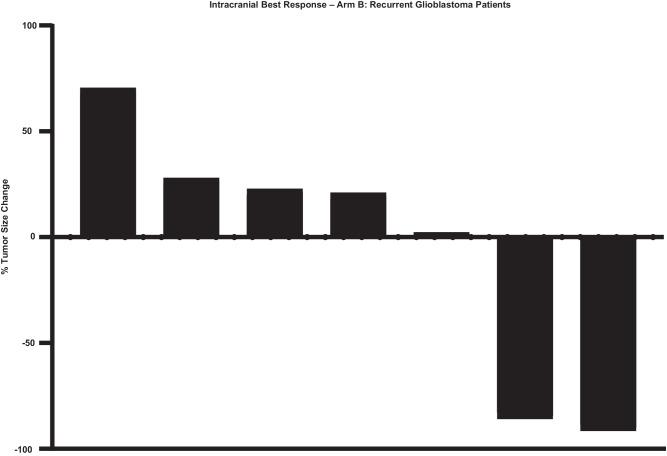
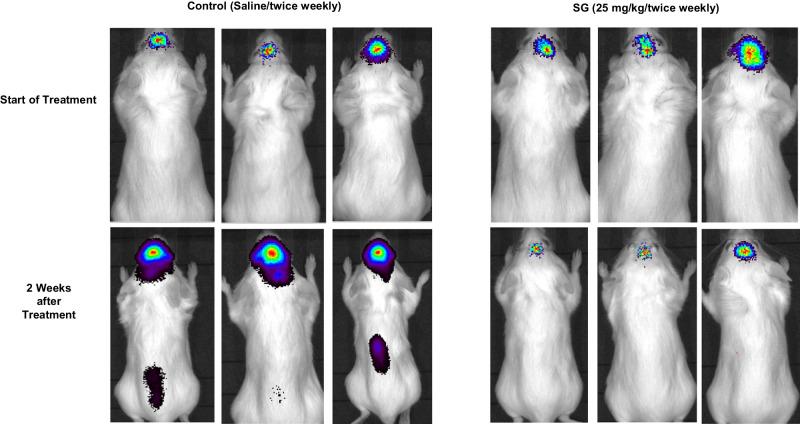
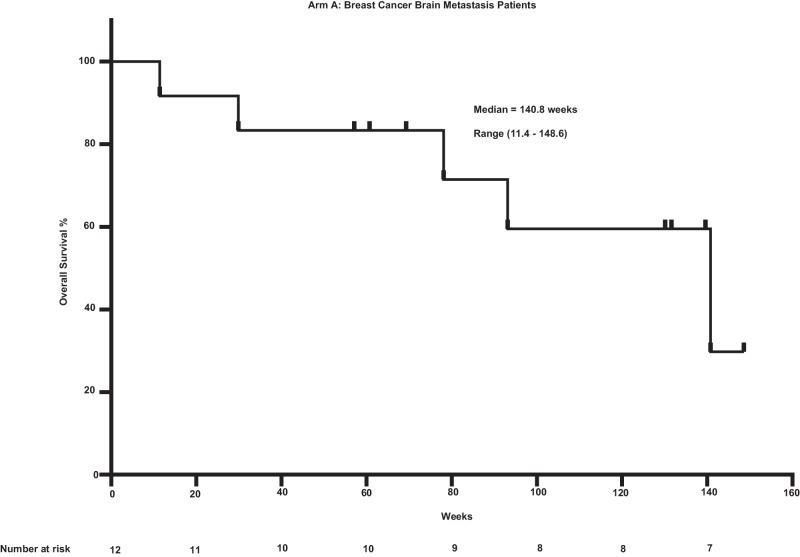
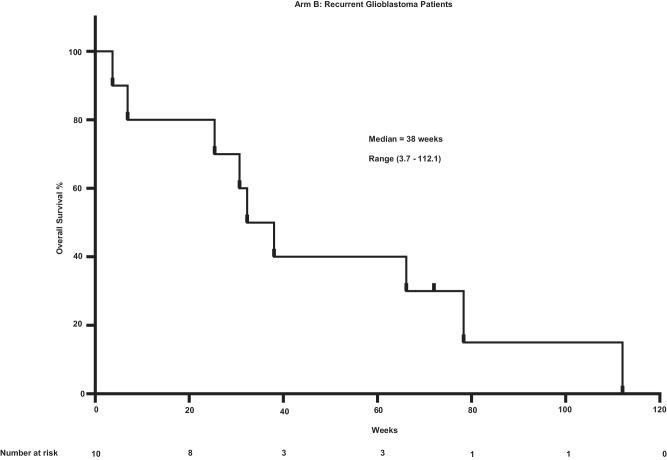
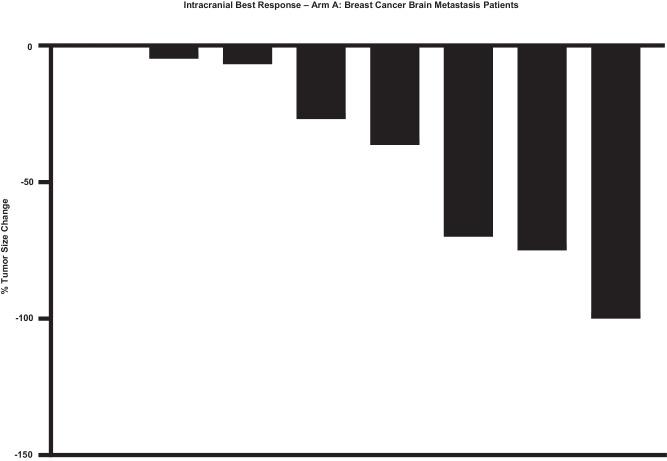
Sacituzumab Govitecan (SG) is an antibody-drug conjugate that has demonstrated efficacy in patients with TROP-2 expressing epithelial cancers. In a xenograft model of intracranial breast cancer, SG inhibited tumor growth and increased mouse survival. We conducted a prospective window-of-opportunity trial (NCT03995706) at the University of Texas Health Science Center at San Antonio to examine the intra-tumoral concentrations and intracranial activity of SG in patients undergoing craniotomy for breast cancer with brain metastases (BCBM) or recurrent glioblastoma (rGBM). We enrolled 25 patients aged ≥18 years diagnosed with BCBM and rGBM to receive a single intravenous dose of SG at 10 mg/kg given one day before resection and continued on days 1 and 8 of 21-day cycles following recovery. The PFS was 8 months and 2 months for BCBM and rGBM cohorts, respectively. The OS was 35.2 months and 9.5 months, respectively. Grade≥3 AE included neutropenia (28%), hypokalemia (8%), seizure (8%), thromboembolic event (8%), urinary tract infection (8%) and muscle weakness of the lower limb (8%). In post-surgical tissue, the median total SN-38 was 249.8 ng/g for BCBM and 104.5 ng/g for rGBM, thus fulfilling the primary endpoint. Biomarker analysis suggests delivery of payload by direct release at target site and that hypoxic changes do not drive indirect release. Secondary endpoint of OS was 35.2 months for the BCBM cohort and 9.5 months for rGBM. Non-planned exploratory endpoint of ORR was 38% for BCBM and 29%, respectively. Exploratory endpoint of Trop-2 expression was observed in 100% of BCBM and 78% of rGBM tumors. In conclusion, SG was found to be well tolerated with adequate penetration into intracranial tumors and promising preliminary activity within the CNS. Trial Registration: Trial (NCT03995706) enrolled at Clinical Trials.gov as Neuro/Sacituzumab Govitecan/Breast Brain Metastasis/Glioblastoma/Ph 0: https://clinicaltrials.gov/study/NCT03995706?cond=NCT03995706 .
Sacituzumab Govitecan(SG)是一种抗体药物偶联物,已在表达 TROP-2 的上皮癌患者中显示出疗效。在颅内乳腺癌的异种移植模型中,SG 抑制肿瘤生长并提高了小鼠的存活率。我们在德克萨斯大学健康科学中心圣安东尼奥分校进行了一项前瞻性机会窗口试验(NCT03995706),以检查接受乳腺癌脑转移(BCBM)或复发性胶质母细胞瘤(rGBM)切除术的患者中 SG 的肿瘤内浓度和颅内活性。我们招募了 25 名年龄≥18 岁的患者,这些患者被诊断为 BCBM 和 rGBM,在切除前一天接受 10mg/kg 的单次静脉 SG 剂量,并在恢复后每 21 天周期的第 1 天和第 8 天继续接受治疗。BCBM 和 rGBM 队列的 PFS 分别为 8 个月和 2 个月。OS 分别为 35.2 个月和 9.5 个月。≥3 级 AE 包括中性粒细胞减少症(28%)、低钾血症(8%)、癫痫发作(8%)、血栓栓塞事件(8%)、尿路感染(8%)和下肢肌肉无力(8%)。在术后组织中,BCBM 的中位总 SN-38 为 249.8ng/g,rGBM 的中位总 SN-38 为 104.5ng/g,因此达到了主要终点。生物标志物分析表明,有效载荷通过在靶部位直接释放进行递送,并且缺氧变化不会驱动间接释放。BCBM 队列的 OS 次要终点为 35.2 个月,rGBM 为 9.5 个月。BCBM 的 ORR 非计划探索性终点为 38%,rGBM 为 29%。BCBM 和 rGBM 肿瘤中分别观察到 100%和 78%的 Trop-2 表达的探索性终点。总之,SG 具有良好的耐受性,能够充分渗透到颅内肿瘤中,并在中枢神经系统中显示出有希望的初步活性。试验注册:试验(NCT03995706)在 ClinicalTrials.gov 上注册为 Neuro/Sacituzumab Govitecan/Breast Brain Metastasis/Glioblastoma/Ph 0:https://clinicaltrials.gov/study/NCT03995706?cond=NCT03995706 。
 Zotero 插件