
沙特阿拉伯中东呼吸综合征冠状病毒(MERS-CoV)疫情:后果、反应及启示
Saudi Arabia's Middle East respiratory syndrome Coronavirus (MERS-CoV) outbreak: consequences, reactions, and takeaways.
作者信息
Salomon Izere
机构信息
University of Rwanda, College of Medicine and Health Sciences, Kigali, Rwanda.
出版信息
Ann Med Surg (Lond). 2024 Jul 1;86(8):4668-4674. doi: 10.1097/MS9.0000000000002336. eCollection 2024 Aug.
BACKGROUND
Middle East respiratory syndrome (MERS) is a viral illness caused by the MERS-Coronavirus (MERS-CoV) that was first identified in Saudi Arabia in 2012. Saudi Arabia has reported most global MERS-CoV cases and deaths, with periodic outbreaks in other countries.
OBJECTIVES
This review aims to provide a comprehensive overview of the 2023 MERS-CoV outbreak in Saudi Arabia, including its epidemiology, public health response, impact, and lessons learned.
METHODOLOGY
This study utilized a narrative review approach, drawing on published literature and data from sources such as the WHO and the Centers for Disease Control and Prevention.
RESULTS
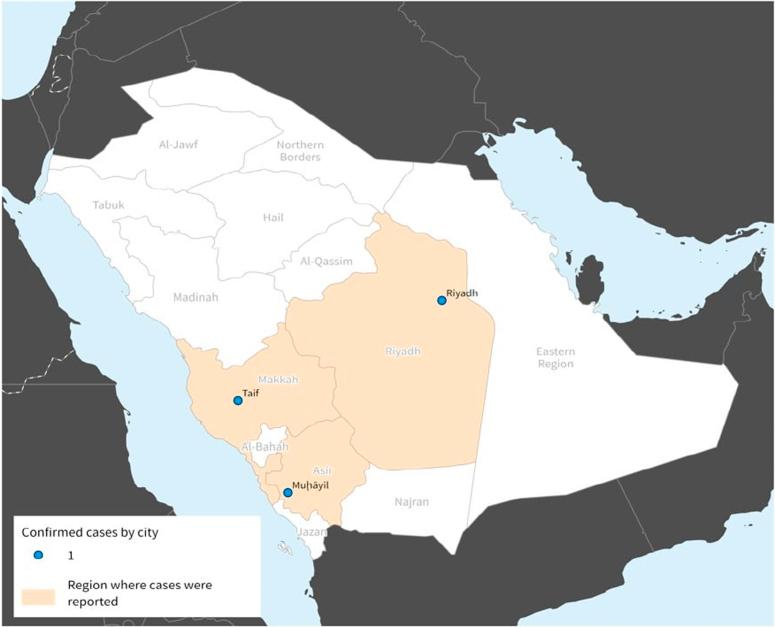
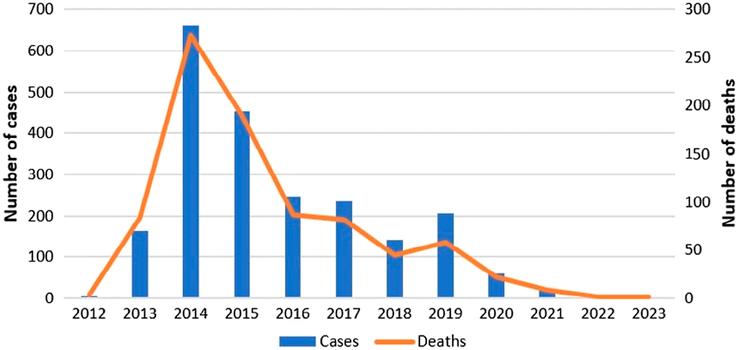
The 2023 outbreak was centered in the Riyadh region, with 312 confirmed cases and 97 deaths reported. MERS-CoV primarily spreads from dromedary camels to humans, with human-to-human transmission, especially in healthcare settings. The outbreak exhibited seasonal and spatial trends, with most cases during camel calving season and in rural areas with high camel populations. The Saudi Ministry of Health implemented a multi-faceted response, including enhancing surveillance, improving infection prevention, providing clinical support, and conducting risk communication. Over time, the response showed a decline in the number of cases and deaths, indicating its effectiveness.
CONCLUSION
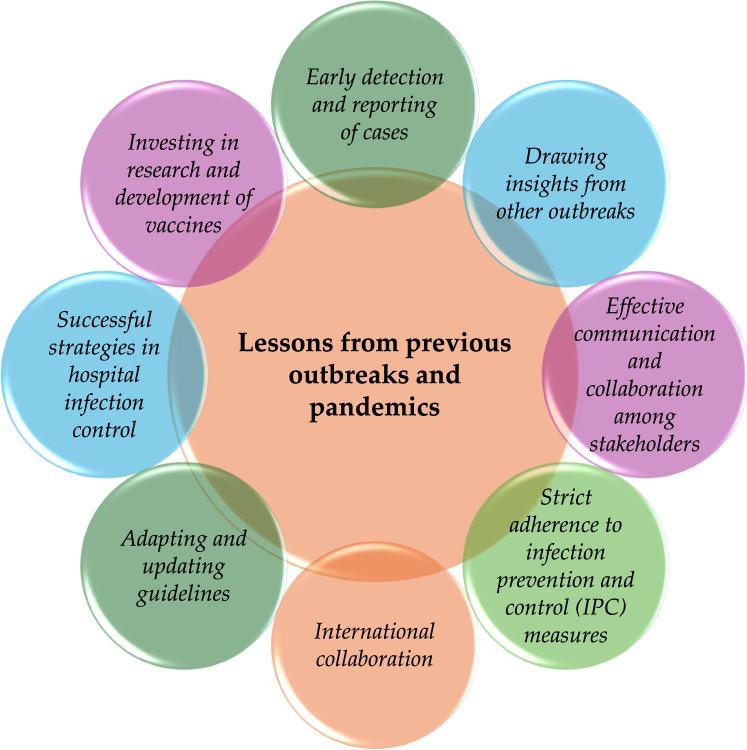
The outbreak has significant public health, economic, and social impacts, underscoring the ongoing threat of emerging zoonotic diseases. Key lessons include early case detection, efficient infection control, vaccine and treatment development, public engagement, and strengthening of regional and global collaboration to mitigate future outbreaks and safeguard public health.
背景
中东呼吸综合征(MERS)是一种由中东呼吸综合征冠状病毒(MERS-CoV)引起的病毒性疾病,该病毒于2012年在沙特阿拉伯首次被发现。沙特阿拉伯报告了全球大部分MERS-CoV病例和死亡病例,其他国家也有周期性疫情爆发。
目的
本综述旨在全面概述2023年沙特阿拉伯的MERS-CoV疫情,包括其流行病学、公共卫生应对措施、影响以及经验教训。
方法
本研究采用叙述性综述方法,借鉴了世界卫生组织和疾病控制与预防中心等来源的已发表文献和数据。
结果
2023年的疫情集中在利雅得地区,报告了312例确诊病例和97例死亡病例。MERS-CoV主要从单峰骆驼传播给人类,存在人传人情况,尤其是在医疗机构中。疫情呈现出季节性和空间趋势,大多数病例发生在骆驼产犊季节以及骆驼数量较多的农村地区。沙特卫生部实施了多方面的应对措施,包括加强监测、改善感染预防、提供临床支持以及开展风险沟通。随着时间推移,应对措施使病例数和死亡数有所下降,表明其有效性。
结论
此次疫情具有重大的公共卫生、经济和社会影响,凸显了新发人畜共患病持续存在的威胁。关键经验教训包括早期病例检测、有效的感染控制、疫苗和治疗方法的研发、公众参与以及加强区域和全球合作以减轻未来疫情并保障公众健康。

 Zotero 插件