
颠覆性技术与开放科学:开放科学应该有多开放?一种“第三生物伦理学”的伦理框架。
Disruptive Technologies and Open Science: How Open Should Open Science Be? A 'Third Bioethics' Ethical Framework.
机构信息
Institute of Biomedical Ethics and History of Medicine, University of Zurich, Winterthurerstrasse 30, 8006, Zurich, Switzerland.
出版信息
Sci Eng Ethics. 2024 Aug 9;30(4):36. doi: 10.1007/s11948-024-00502-3.
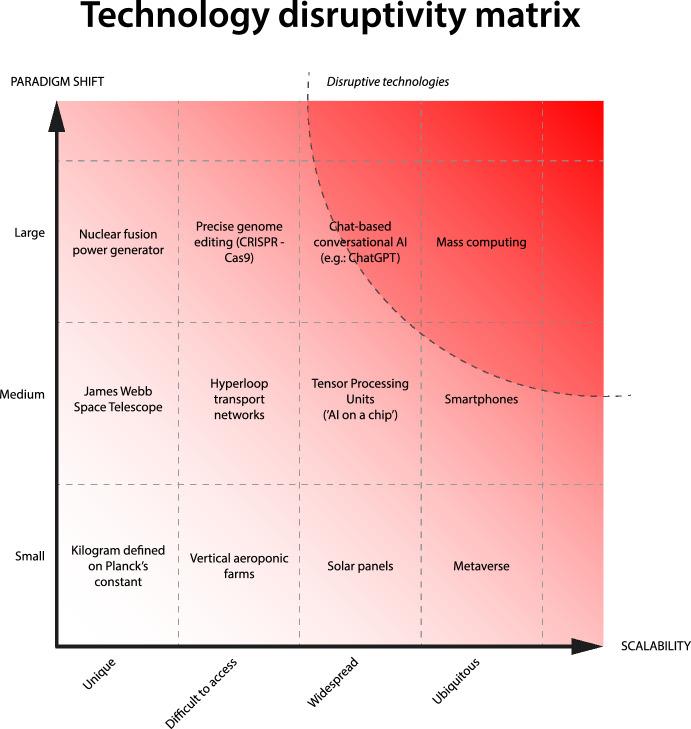
This paper investigates the ethical implications of applying open science (OS) practices on disruptive technologies, such as generative AIs. Disruptive technologies, characterized by their scalability and paradigm-shifting nature, have the potential to generate significant global impact, and carry a risk of dual use. The tension arises between the moral duty of OS to promote societal benefit by democratizing knowledge and the risks associated with open dissemination of disruptive technologies. Van Rennselaer Potter's 'third bioethics' serves as the founding horizon for an ethical framework to govern these tensions. Through theoretical analysis and concrete examples, this paper explores how OS can contribute to a better future or pose threats. Finally, we provide an ethical framework for the intersection between OS and disruptive technologies that tries to go beyond the simple 'as open as possible' tenet, considering openness as an instrumental value for the pursuit of other ethical values rather than as a principle with prima facie moral significance.
本文探讨了将开放科学(OS)实践应用于颠覆性技术(如生成式人工智能)所涉及的伦理问题。颠覆性技术具有可扩展性和范式转变的特点,有可能产生重大的全球影响,并存在双重用途的风险。OS 通过民主化知识来促进社会利益的道德责任与开放传播颠覆性技术相关的风险之间存在紧张关系。Van Rennselaer Potter 的“第三种生物伦理学”为管理这些紧张关系的伦理框架提供了基础。本文通过理论分析和具体实例,探讨了 OS 如何既能为更美好的未来做出贡献,也可能带来威胁。最后,我们提供了一个 OS 与颠覆性技术交叉点的伦理框架,试图超越简单的“尽可能开放”原则,将开放性视为追求其他伦理价值的工具价值,而不是具有初步道德意义的原则。
 Zotero 插件