
用于预测脓毒症相关性急性肾损伤重症患者死亡率的机器学习模型:一项系统综述
Machine Learning Models for Predicting Mortality in Critically Ill Patients with Sepsis-Associated Acute Kidney Injury: A Systematic Review.
作者信息
Wu Chieh-Chen, Poly Tahmina Nasrin, Weng Yung-Ching, Lin Ming-Chin, Islam Md Mohaimenul
机构信息
Department of Healthcare Information and Management, School of Health and Medical Engineering, Ming Chuan University, Taipei 111, Taiwan.
Graduate Institute of Biomedical Informatics, College of Medical Science and Technology, Taipei Medical University, Taipei 110, Taiwan.
出版信息
Diagnostics (Basel). 2024 Jul 24;14(15):1594. doi: 10.3390/diagnostics14151594.
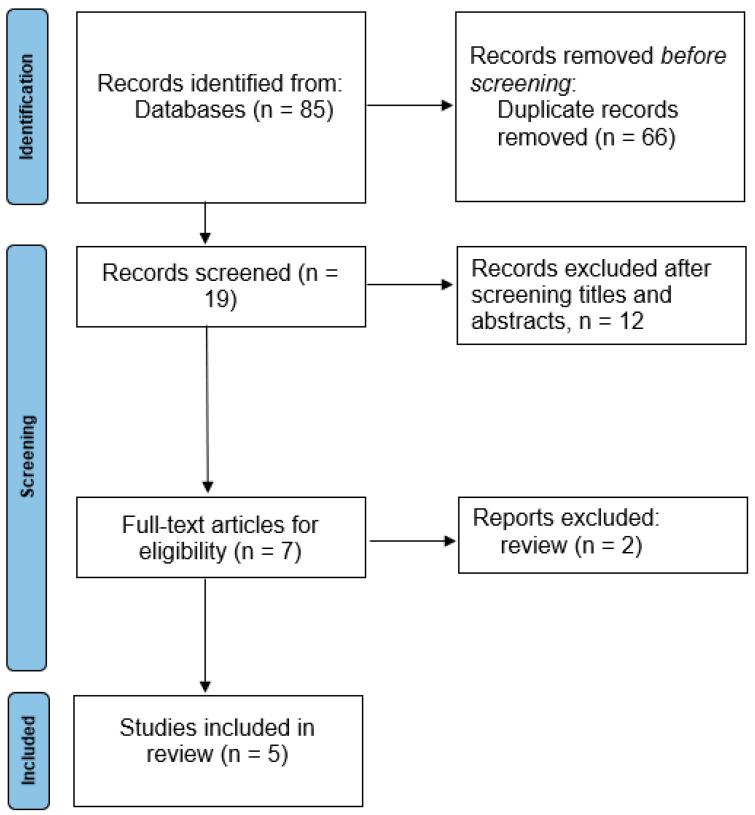
While machine learning (ML) models hold promise for enhancing the management of acute kidney injury (AKI) in sepsis patients, creating models that are equitable and unbiased is crucial for accurate patient stratification and timely interventions. This study aimed to systematically summarize existing evidence to determine the effectiveness of ML algorithms for predicting mortality in patients with sepsis-associated AKI. An exhaustive literature search was conducted across several electronic databases, including PubMed, Scopus, and Web of Science, employing specific search terms. This review included studies published from 1 January 2000 to 1 February 2024. Studies were included if they reported on the use of ML for predicting mortality in patients with sepsis-associated AKI. Studies not written in English or with insufficient data were excluded. Data extraction and quality assessment were performed independently by two reviewers. Five studies were included in the final analysis, reporting a male predominance (>50%) among patients with sepsis-associated AKI. Limited data on race and ethnicity were available across the studies, with White patients comprising the majority of the study cohorts. The predictive models demonstrated varying levels of performance, with area under the receiver operating characteristic curve (AUROC) values ranging from 0.60 to 0.87. Algorithms such as extreme gradient boosting (XGBoost), random forest (RF), and logistic regression (LR) showed the best performance in terms of accuracy. The findings of this study show that ML models hold immense ability to identify high-risk patients, predict the progression of AKI early, and improve survival rates. However, the lack of fairness in ML models for predicting mortality in critically ill patients with sepsis-associated AKI could perpetuate existing healthcare disparities. Therefore, it is crucial to develop trustworthy ML models to ensure their widespread adoption and reliance by both healthcare professionals and patients.
虽然机器学习(ML)模型有望改善脓毒症患者急性肾损伤(AKI)的管理,但创建公平且无偏差的模型对于准确的患者分层和及时干预至关重要。本研究旨在系统总结现有证据,以确定ML算法预测脓毒症相关性AKI患者死亡率的有效性。通过使用特定搜索词,在包括PubMed、Scopus和Web of Science在内的多个电子数据库中进行了详尽的文献检索。本综述纳入了2000年1月1日至2024年2月1日发表的研究。如果研究报告了使用ML预测脓毒症相关性AKI患者的死亡率,则纳入研究。非英文撰写或数据不足的研究被排除。由两名评审员独立进行数据提取和质量评估。最终分析纳入了五项研究,这些研究报告脓毒症相关性AKI患者中男性占多数(>50%)。各研究中关于种族和民族的数据有限,白人患者占研究队列的大多数。预测模型表现出不同水平的性能,受试者工作特征曲线下面积(AUROC)值范围为0.60至0.87。极端梯度提升(XGBoost)、随机森林(RF)和逻辑回归(LR)等算法在准确性方面表现最佳。本研究结果表明,ML模型具有巨大能力来识别高危患者、早期预测AKI进展并提高生存率。然而,用于预测脓毒症相关性AKI重症患者死亡率的ML模型缺乏公平性,可能会使现有的医疗差距长期存在。因此,开发值得信赖的ML模型以确保医疗专业人员和患者广泛采用和依赖至关重要。
 Zotero 插件