
血清血小板与淋巴细胞比值在现代放射肿瘤学时代的临床意义:研究更新与文献回顾。
Clinical implications of the serum platelet-to-lymphocyte ratio in the modern radiation oncology era: research update and literature review.
机构信息
Department of Radiation Oncology, College of Medicine, The Catholic University of Korea, Seoul, 06591, Republic of Korea.
出版信息
Radiat Oncol. 2024 Aug 13;19(1):107. doi: 10.1186/s13014-024-02485-8.
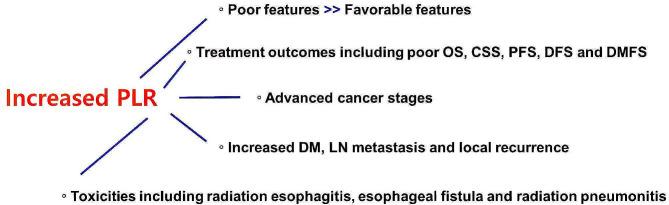
Radiation therapy (RT) continues to be the primary approach for treating cancer, and numerous cancer biomarkers associated with oncological outcomes have been investigated in the context of RT. The serum platelet-to-lymphocyte ratio (PLR) is one of the emerging landmark biomarker in the oncologic field. Mounting evidence indicates that an elevated serum PLR may function as a marker of unfavorable tumor characteristics, adverse treatment outcomes and treatment-related toxicities among individuals undergoing RT. However, the findings of these investigations have revealed a few disparities among researchers, highlighting the need for further meticulously planned studies to draw conclusive results. This article provides a comprehensive literature review and in-depth discussion regarding the clinical implications of the serum PLR in the modern RT era.
放射治疗(RT)仍然是治疗癌症的主要方法,并且已经在 RT 背景下研究了许多与肿瘤学结果相关的癌症生物标志物。血清血小板与淋巴细胞比值(PLR)是肿瘤学领域中新兴的重要生物标志物之一。越来越多的证据表明,升高的血清 PLR 可能是接受 RT 的个体中肿瘤特征不良、治疗结果不良和治疗相关毒性的标志物。然而,这些研究的结果表明,研究人员之间存在一些差异,这突出表明需要进一步精心计划的研究来得出结论性结果。本文提供了对血清 PLR 在现代 RT 时代的临床意义的全面文献回顾和深入讨论。
 Zotero 插件