
旧经验用于新科学:神圣之树隐喻如何为自然环境对公众健康益处的研究提供信息。
Old lessons for new science: How sacred-tree metaphors can inform studies of the public-health benefits of the natural environment.
作者信息
Donovan Geoffrey H, Derrien Monika, Wendel Kendra, Michael Yvonne L
机构信息
USDA Forest Service, PNW Research Station, Portland, OR, 97205, USA.
USDA Forest Service, PNW Research Station, Seattle, WA, USA.
出版信息
Heliyon. 2024 Jul 26;10(15):e35111. doi: 10.1016/j.heliyon.2024.e35111. eCollection 2024 Aug 15.
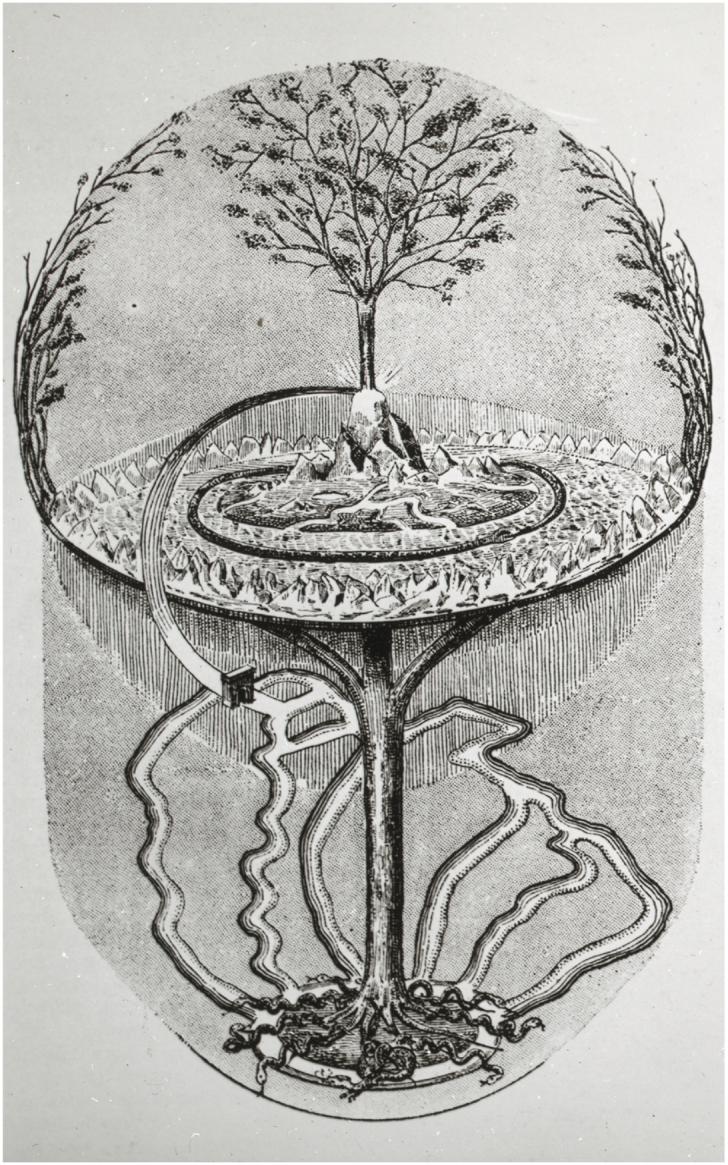
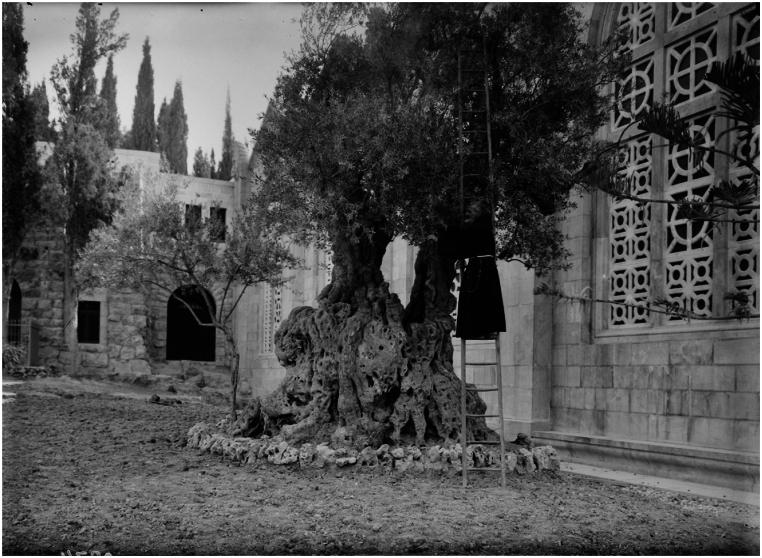
Many studies have identified an association between exposure to the natural environment and improved public-health outcomes. However, much of this observational work lacks a theoretical foundation, so we look to the humanities for a stronger basis for green-health research, examining how trees have been used as religious metaphors and symbols for health and wellbeing. In particular, the tree of life, sacred trees, and other religious symbols provide a promising theoretical basis for green-health research. Based on this review, we propose the value of incorporating attributes such as vegetation species and size in exposure metrics, and considering the interactions between exposure attributes (e.g., species) and individual attributes (e.g., culture).
许多研究已经确定了接触自然环境与改善公共卫生结果之间的关联。然而,这项观察性工作大多缺乏理论基础,因此我们期望人文学科为绿色健康研究提供更坚实的基础,研究树木如何被用作健康和幸福的宗教隐喻和象征。特别是生命之树、神圣之树和其他宗教象征为绿色健康研究提供了一个有前景的理论基础。基于这一综述,我们提出在暴露指标中纳入植被种类和大小等属性的价值,并考虑暴露属性(如物种)与个体属性(如文化)之间的相互作用。



 Zotero 插件