
γ-和δ-生育三烯酚调控结直肠癌抗癌机制的研究进展
Insights into the Anticancer Mechanisms Modulated by Gamma and Delta Tocotrienols in Colorectal Cancers.
作者信息
Khalid Ali Qusay, Zaidan Tabarek Najeeb, Bhuvanendran Saatheeyavaane, Magalingam Kasthuri B, Mohamedahmed Shaza M, Ramdas Premdass, Radhakrishnan Ammu K
机构信息
Food as Medicine Research Strength, Jeffrey Cheah School of Medicine and Health Sciences, Monash University Malaysia, 47500 Bandar Sunway, Malaysia.
Department of Food Science and Nutrition, Faculty of Applied Sciences, UCSI University, UCSI Heights, Cheras, 56000 Kuala Lumpur, Malaysia.
出版信息
Nutr Rev. 2025 Mar 1;83(3):e1295-e1310. doi: 10.1093/nutrit/nuae108.
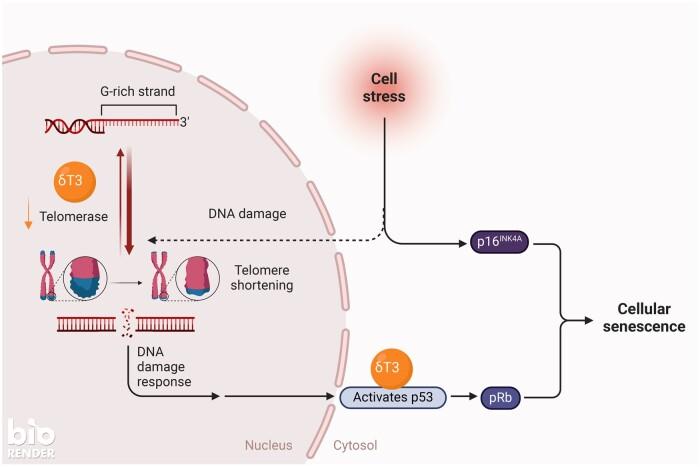
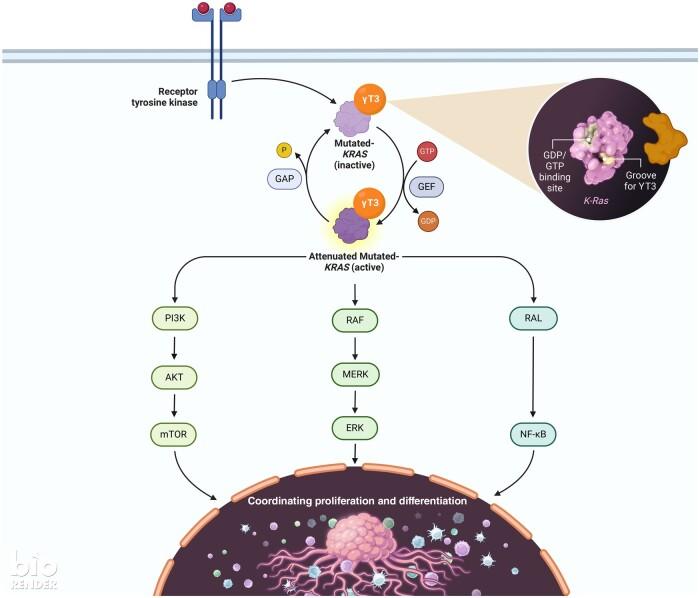
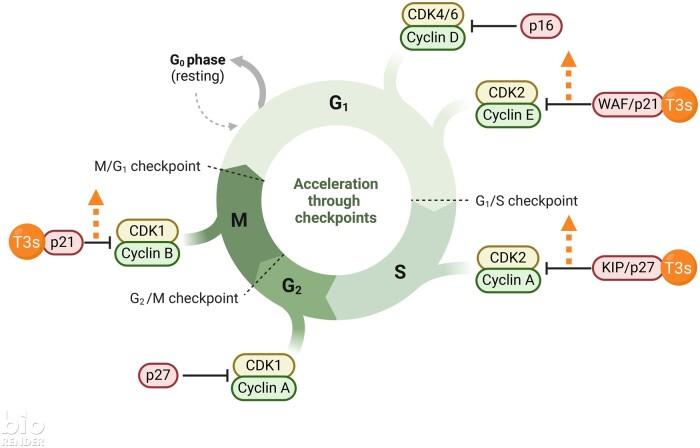
Colorectal cancer (CRC) is a growing concern all over the world. There has been a concerted effort to identify natural bioactive compounds that can be used to prevent or overcome this condition. Tocotrienols (T3s) are a naturally occurring form of vitamin E known for various therapeutic effects, such as anticancer, antioxidant, neuroprotective, and anti-inflammatory activities. The literature evidence suggests that two T3 analogues, ie, gamma (γ)- and delta (δ)-T3, can modulate cancers via several cancer-related signaling pathways. The aim of this review was to compile and analyze the existing literature on the diverse anticancer mechanisms of γT3 and δT3 exhibited in CRC cells, to showcase the anticancer potential of T3s. Medline was searched for research articles on anticancer effects of γT3 and δT3 in CRC published in the past 2 decades. A total of 38 articles (26 cell-based, 9 animal studies, 2 randomized clinical trials, and 1 scoping review) that report anticancer effects of γT3 and δT3 in CRC were identified. The findings reported in those articles indicate that γT3 and δT3 inhibit the proliferation of CRC cells, induce cell cycle arrest and apoptosis, suppress metastasis, and produce synergistic anticancer effects when combined with well-established anticancer agents. There is preliminary evidence that shows that T3s affect telomerase functions and support anticancer immune responses. γT3 and δT3 have the potential for development as anticancer agents.
结直肠癌(CRC)日益成为全球关注的问题。人们一直在共同努力寻找可用于预防或克服这种疾病的天然生物活性化合物。生育三烯酚(T3s)是维生素E的一种天然存在形式,以其多种治疗作用而闻名,如抗癌、抗氧化、神经保护和抗炎活性。文献证据表明,两种T3类似物,即γ-和δ-T3,可以通过多种与癌症相关的信号通路调节癌症。本综述的目的是汇编和分析现有文献中关于γT3和δT3在CRC细胞中表现出的不同抗癌机制,以展示T3s的抗癌潜力。在Medline数据库中搜索了过去20年发表的关于γT3和δT3对CRC抗癌作用的研究文章。共确定了38篇报告γT3和δT3对CRC抗癌作用的文章(26篇基于细胞的研究、9篇动物研究、2篇随机临床试验和1篇范围综述)。这些文章中报道的研究结果表明,γT3和δT3可抑制CRC细胞的增殖,诱导细胞周期停滞和凋亡,抑制转移,并与成熟的抗癌药物联合使用时产生协同抗癌作用。有初步证据表明,T3s会影响端粒酶功能并支持抗癌免疫反应。γT3和δT3有开发成为抗癌药物的潜力。

 Zotero 插件