
聚氯乙烯微塑料与镉共同暴露通过氧化应激和糖脂积累促进雌性鸭子的非酒精性脂肪肝疾病。
Co-exposure of polyvinyl chloride microplastics with cadmium promotes nonalcoholic fatty liver disease in female ducks through oxidative stress and glycolipid accumulation.
机构信息
College of Veterinary Medicine, Yangzhou University, Yangzhou, Jiangsu 225009, China; Joint International Research Laboratory of Agriculture and Agri-Product Safety of the Ministry of Education of China, Yangzhou University, Yangzhou, Jiangsu 225009, China; Jiangsu Co-innovation Center for Prevention and Control of Important Animal Infectious Diseases and Zoonoses, Yangzhou, Jiangsu 225009, China.
College of Veterinary Medicine, Yangzhou University, Yangzhou, Jiangsu 225009, China; Joint International Research Laboratory of Agriculture and Agri-Product Safety of the Ministry of Education of China, Yangzhou University, Yangzhou, Jiangsu 225009, China; Jiangsu Co-innovation Center for Prevention and Control of Important Animal Infectious Diseases and Zoonoses, Yangzhou, Jiangsu 225009, China.
出版信息
Poult Sci. 2024 Nov;103(11):104152. doi: 10.1016/j.psj.2024.104152. Epub 2024 Aug 5.
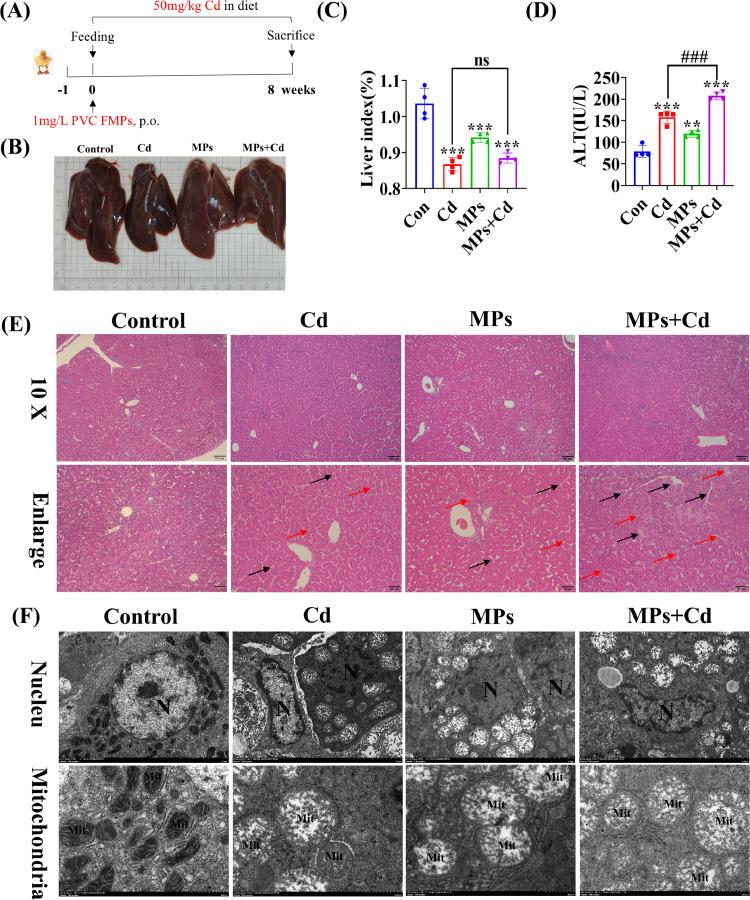
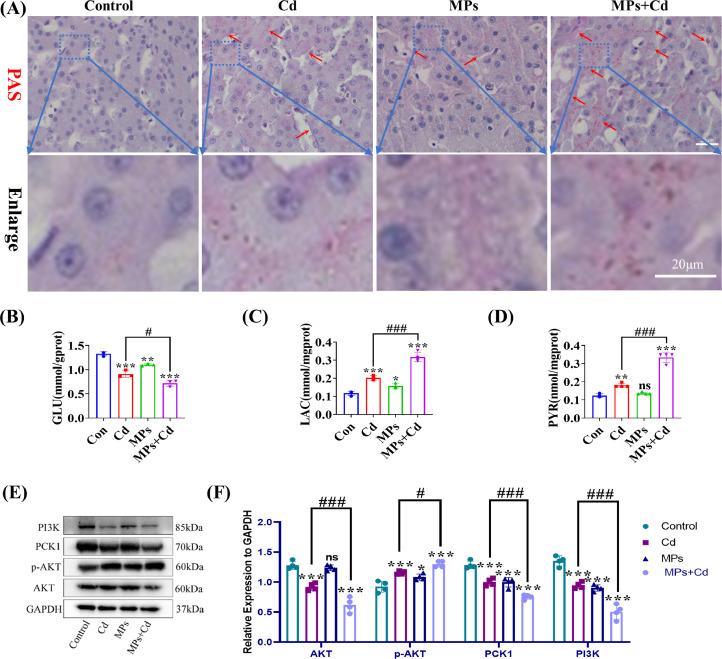
A recently discovered environmental contaminant, microplastics (MP) are capable of amassing within the body and pose a grave threat to the health of both humans and animals. It is widely acknowledged that the combination of cadmium (Cd), a hazardous heavy metal, and microplastics produces synergistic deleterious effects. Nevertheless, the mechanism by which co-exposure to polyvinyl chloride microplastics (PVC-MP) and Cd damages the liver of avian females is unknown. Globally prevalent and the subject of extensive research in mammals, nonalcoholic fatty liver disease (NAFLD) is a chronic liver condition. However, the mechanisms underlying injury to the avian digestive system caused by NAFLD remain unknown. Two months of co-exposure to Cd and PVC-MPs, pure water, solitary Cd exposure, single microplastics exposure, and pure water were administered to female Muscovy ducks in this study. The objective of this research was to examine whether the co-exposure of duck liver to PVC-MPs and Cd-induced oxidative stress resulted in NAFLD and subsequent apoptosis of hepatic cells. The study's findings showed that hepatocyte shape and functional activity were negatively impacted by PVC-MP and Cd buildup in liver tissues. Reduced liver organ coefficients, increased alanine aminotransferase (ALT) content, and ultrastructural damage to hepatocyte nuclei and mitochondria are indicators of this. These results point to a possible impairment in liver function. phosphoenolpyruvate carboxykinase 1 (PCK1) deficiency activates the protein kinase B/phosphatidylinositol 3-kinase (PI3K/AKT) pathway in the livers of female reproductive ducks that have been damaged by oxidative stress. This stimulation induces lipid deposition, fibrosis, and glycogen accumulation, which ultimately results in hepatocyte apoptosis. In summary, our research provides evidence that PVC-MPs cause oxidative harm to the liver, which subsequently results in fibrosis of liver tissue, hepatic glucolipid metabolism, and ultimately apoptosis.
最近发现的环境污染物微塑料(MP)能够在体内积聚,并对人类和动物的健康构成严重威胁。众所周知,镉(Cd)这种危险的重金属与微塑料结合会产生协同的有害影响。然而,聚氯乙烯微塑料(PVC-MP)和 Cd 共同暴露对禽类雌性肝脏造成损害的机制尚不清楚。非酒精性脂肪性肝病(NAFLD)是一种慢性肝病,在全球范围内普遍存在,并且是哺乳动物研究的热点,但导致禽类消化系统损伤的 NAFLD 机制尚不清楚。在这项研究中,雌性麝香鸭接受了两个月的 Cd 和 PVC-MP 共同暴露、纯水、单独 Cd 暴露、单一微塑料暴露和纯水处理。本研究旨在探讨鸭肝同时暴露于 PVC-MP 和 Cd 引起的氧化应激是否会导致 NAFLD 以及随后的肝细胞凋亡。研究结果表明,肝组织中 PVC-MP 和 Cd 的蓄积对肝细胞的形态和功能活性产生负面影响。肝器官系数降低、丙氨酸转氨酶(ALT)含量增加以及肝细胞核和线粒体的超微结构损伤均表明这一点。这些结果表明肝功能可能受损。磷酸烯醇丙酮酸羧激酶 1(PCK1)缺陷会激活氧化应激损伤的雌性生殖鸭肝脏中的蛋白激酶 B/磷酸肌醇 3-激酶(PI3K/AKT)通路。这种刺激会诱导脂质沉积、纤维化和糖原积累,最终导致肝细胞凋亡。总之,我们的研究提供了证据表明 PVC-MP 会对肝脏造成氧化损伤,进而导致肝组织纤维化、肝糖脂代谢紊乱,最终导致细胞凋亡。





 Zotero 插件