
鉴定和表征古菌型 FAD 合酶作为寄生原生动物的新型可处理药物靶点。
Identification and characterization of archaeal-type FAD synthase as a novel tractable drug target from the parasitic protozoa .
机构信息
Department of Biomedical Chemistry, Graduate School of Medicine, The University of Tokyo, Tokyo, Japan.
National Research and Innovation Agency, Jakarta, Indonesia.
出版信息
mSphere. 2024 Sep 25;9(9):e0034724. doi: 10.1128/msphere.00347-24. Epub 2024 Aug 27.
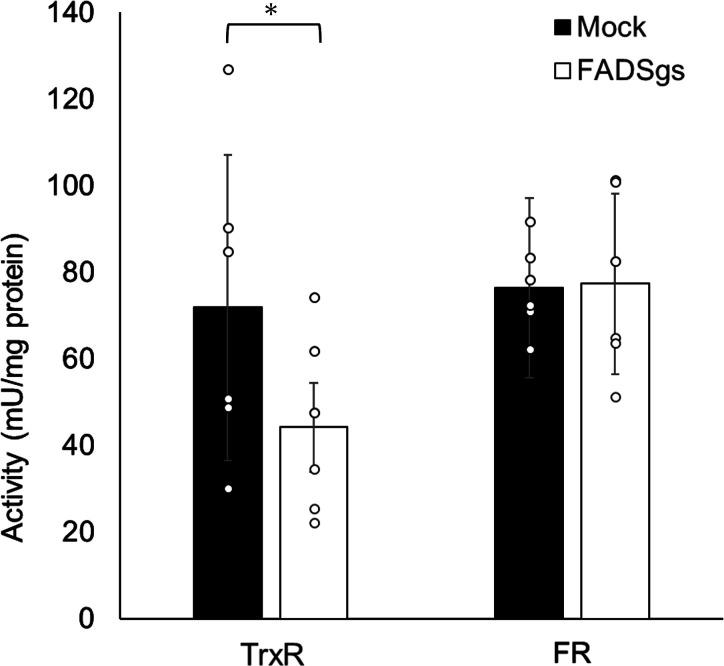
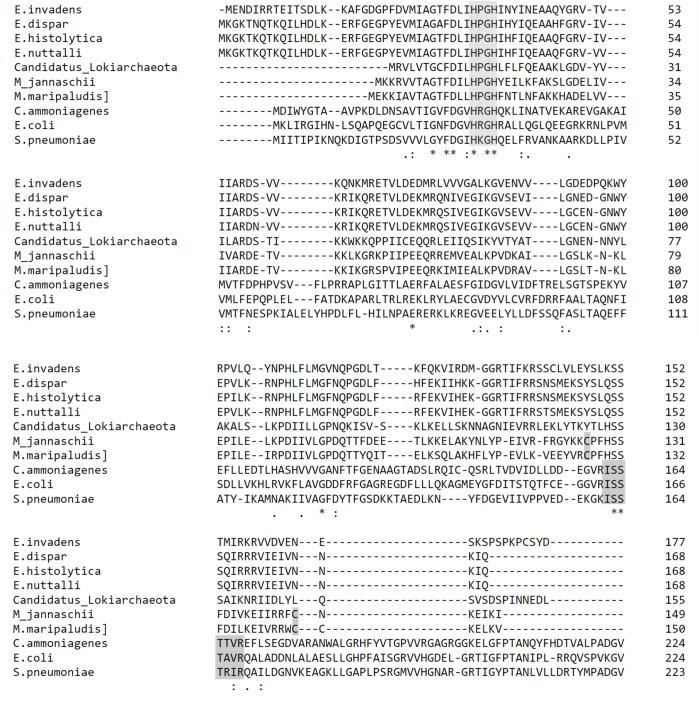
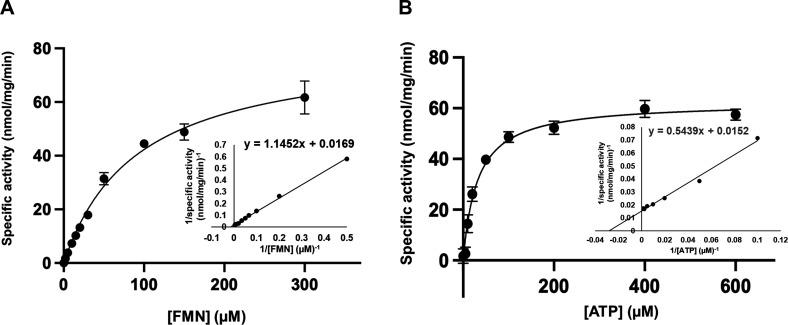
Flavin adenine dinucleotide (FAD) is an essential cofactor for numerous flavoenzymes present in all living organisms. The biosynthesis of FAD from riboflavin involves two sequential reactions catalyzed by riboflavin kinase and flavin adenine dinucleotide synthase (FADS). , the protozoan parasite responsible for amebiasis, apparently lacks a gene encoding FADS that share similarity with bacterial and eukaryotic canonical FADS, yet it can synthesize FAD. In this study, we have identified the gene responsible for FADS and thoroughly characterized physiological and biochemical properties of FADS from . Phylogenetic analysis revealed that the gene was likely laterally transferred from archaea. The kinetic properties of recombinant EhFADS were consistent with the notion that EhFADS is of archaeal origin, exhibiting and values similar to those of the arachaeal enzyme while significantly differing from the human counterpart. Repression of gene expression of by epigenetic gene silencing caused substantial reduction in FAD levels and parasite growth, underscoring the importance of EhFADS for the parasite. Furthermore, we demonstrated that gene silencing reduced thioredoxin reductase activity, which requires FAD as a cofactor and makes the ameba more susceptible to metronidazole. In summary, this study unveils unique evolutionary and biochemical features of EhFADS and underscores its significance as a promising drug target in combating human amebiasis.IMPORTANCEFAD is important for all forms of life, yet its role and metabolism are still poorly studied in , the protozoan parasite causing human amebiasis. Our study uncovers the evolutionary unique key enzyme, archaeal-type FADS for FAD biosynthesis from for the first time. Additionally, we showed the essentiality of this enzyme for parasite survival, highlighting its potential as target for drug development against infections.
黄素腺嘌呤二核苷酸(FAD)是所有生物中存在的许多黄素酶的必需辅因子。FAD 从核黄素生物合成涉及由核黄素激酶和黄素腺嘌呤二核苷酸合酶(FADS)催化的两个连续反应。引起阿米巴病的原生动物寄生虫显然缺乏与细菌和真核标准 FADS 具有相似性的 FADS 编码基因,但它可以合成 FAD。在这项研究中,我们鉴定了负责 FADS 的基因,并彻底表征了来自 的 FADS 的生理和生化特性。系统发育分析表明,该基因可能是从古菌横向转移而来的。重组 EhFADS 的动力学特性与 EhFADS 起源于古菌的观点一致,表现出与古菌酶相似的 和 值,而与人类同工酶有显著差异。通过表观遗传基因沉默抑制 基因的表达导致 FAD 水平和寄生虫生长的大量减少,强调了 EhFADS 对寄生虫的重要性。此外,我们证明了基因沉默会降低需要 FAD 作为辅因子的硫氧还蛋白还原酶活性,从而使变形虫对甲硝唑更敏感。总之,这项研究揭示了 EhFADS 的独特进化和生化特征,并强调了它作为治疗人类阿米巴病有希望的药物靶点的重要性。




 Zotero 插件