
采用气相色谱-质谱联用技术对毛瓣紫薇进行植物化学特征分析及抗癌、抗糖尿病和抗氧化活性筛选
GC-MS-employed Phytochemical Characterization and Anticancer, Antidiabetic, and Antioxidant Activity Screening of Lagerstroemia Thorelli.
作者信息
Akter Raushanara, Maknun Fariha Luluel, Halder Shimul, Sharmin Shahana, Sabet Taki Ehtesham, Kabir Lihu Imanul, Hamja Tipu Amir, Rubaiyat Muntasir Meem M M, Alam Ripa Farhana, Sharmin Sabrina
机构信息
School of Pharmacy, BRAC University, KHA 224, Pragati Sarani, Merul Badda, Dhaka, 1212, Bangladesh.
Department of Pharmaceutical Technology, Faculty of Pharmacy, University of Dhaka, Dhaka, 1000, Bangladesh.
出版信息
Chem Biodivers. 2024 Dec;21(12):e202400999. doi: 10.1002/cbdv.202400999. Epub 2024 Nov 4.
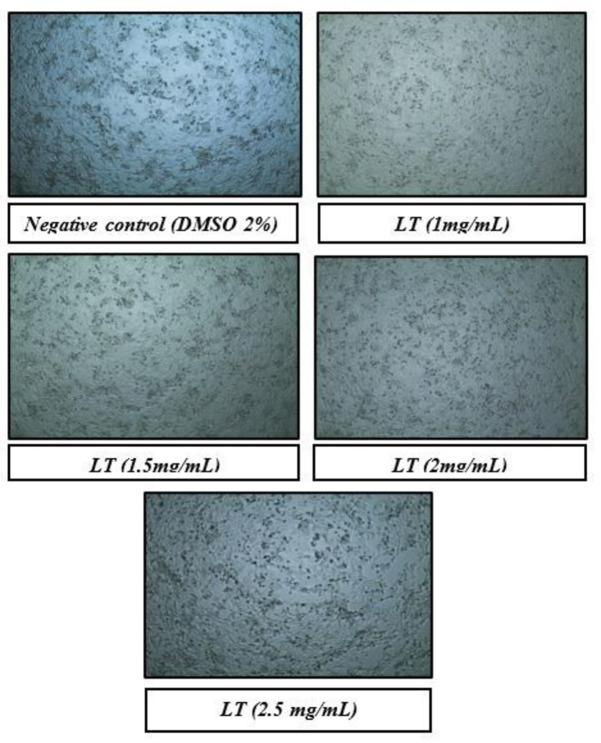
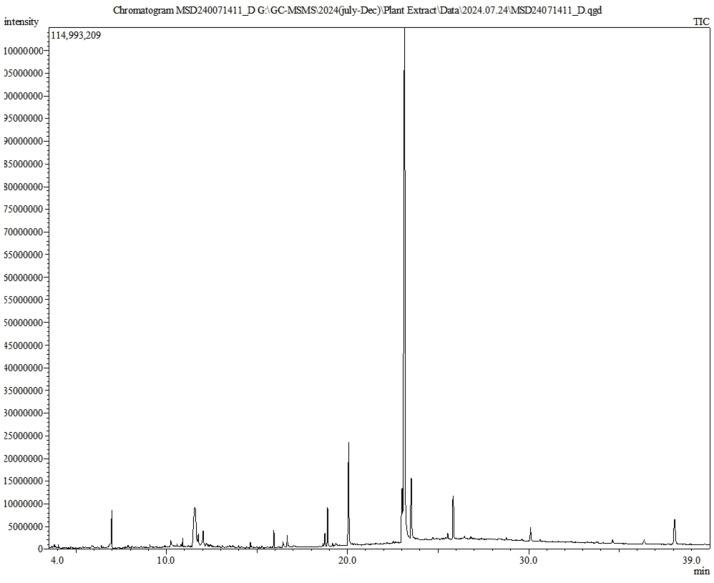
Lagerstroemia thorelli (L. thorelli) is a member of the Lythraceae family and has not been previously researched. Thus, this study aimed to investigate its unexplored potential and identify novel therapeutic prospects. This research evaluated antioxidant, antidiabetic, and cytotoxic potentials along with compound characterization of the ethanolic leaf extract of L. thorelli. The antioxidant potential was assessed using 1, 1-diphenyl-2-picrylhydrazyl (DPPH) free radical and hydrogen peroxide (HO) scavenging assays, total antioxidant capacity (TAC), total phenolic content (TPC), total flavonoid content (TFC) determination, antidiabetic property was assessed using α-amylase inhibition, and the cytotoxic effect was examined on HeLa and Vero cells using MTT colorimetric assay. Chemical characterization was performed using gas chromatography-mass spectrometry (GC-MS). The findings demonstrated strong antioxidant, strong antidiabetic, and moderate cytotoxic activities. Comprehensive phytochemical analysis revealed its abundance in flavonoids, phenols/phenolics, tannins, glycosides, steroids, resin, etc. GC-MS analysis of the L. thorelli extract identified 80 important compounds including cis-11-eicosenamide, beta-D-glucopyranoside, methyl-, alpha-D-glucopyranoside, methyl-, phthalic acid, gamma-sitosterol, phytol, silicic acid, squalene, butanoic acid, cyclobarbital, etc. which are well-documented for their antioxidant, antidiabetic, and anticancer effects. Thus, it can be inferred that L. thorelli could hold new promises in treating diseases like diabetes and free radical-induced conditions, including neurodegenerative diseases.
毛叶紫薇(Lagerstroemia thorelli)是千屈菜科的一员,此前尚未被研究过。因此,本研究旨在探究其未被开发的潜力,并确定新的治疗前景。本研究评估了毛叶紫薇乙醇叶提取物的抗氧化、抗糖尿病和细胞毒性潜力以及化合物特征。使用1,1-二苯基-2-苦基肼(DPPH)自由基和过氧化氢(HO)清除试验、总抗氧化能力(TAC)、总酚含量(TPC)、总黄酮含量(TFC)测定来评估抗氧化潜力,使用α-淀粉酶抑制试验评估抗糖尿病特性,并使用MTT比色法检测对HeLa和Vero细胞的细胞毒性作用。使用气相色谱-质谱联用仪(GC-MS)进行化学表征。研究结果表明其具有较强的抗氧化、较强的抗糖尿病和中等的细胞毒性活性。全面的植物化学分析表明其富含黄酮类、酚类/酚酸类、单宁、糖苷、甾体、树脂等。对毛叶紫薇提取物的GC-MS分析鉴定出80种重要化合物,包括顺式-11-二十碳烯酰胺、β-D-吡喃葡萄糖苷、甲基-α-D-吡喃葡萄糖苷、邻苯二甲酸、γ-谷甾醇、叶绿醇、硅酸、角鲨烯、丁酸、环己巴比妥等,这些化合物因其抗氧化、抗糖尿病和抗癌作用而有充分的文献记载。因此,可以推断毛叶紫薇在治疗糖尿病和自由基诱导的疾病(包括神经退行性疾病)方面可能有新的前景。
 Zotero 插件