
植物化学物质通过调节 AMPK/PGC-1α 信号通路来调节癌症代谢。
Phytochemicals regulate cancer metabolism through modulation of the AMPK/PGC-1α signaling pathway.
机构信息
Pharmaceutical Sciences Research Center, Health Institute, Kermanshah University of Medical Sciences, Kermanshah, 6734667149, Iran.
Student Research Committee, Kermanshah University of Medical Sciences, Kermanshah, 6734667149, Iran.
出版信息
BMC Cancer. 2024 Sep 2;24(1):1079. doi: 10.1186/s12885-024-12715-7.
BACKGROUND
Due to the complex pathophysiological mechanisms involved in cancer progression and metastasis, current therapeutic approaches lack efficacy and have significant adverse effects. Therefore, it is essential to establish novel strategies for combating cancer. Phytochemicals, which possess multiple biological activities, such as antioxidant, anti-inflammatory, antimutagenic, immunomodulatory, antiproliferative, anti-angiogenesis, and antimetastatic properties, can regulate cancer progression and interfere in various stages of cancer development by suppressing various signaling pathways.
METHODS
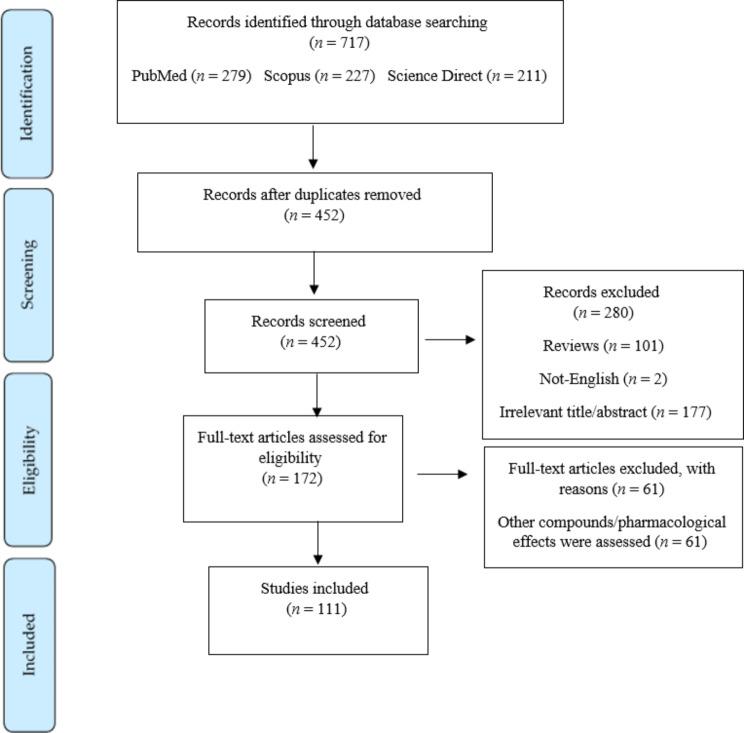
The current systematic and comprehensive review was conducted based on Preferred Reporting Items for Systematic Reviews and Meta-Analysis (PRISMA) criteria, using electronic databases, including PubMed, Scopus, and Science Direct, until the end of December 2023. After excluding unrelated articles, 111 related articles were included in this systematic review.
RESULTS
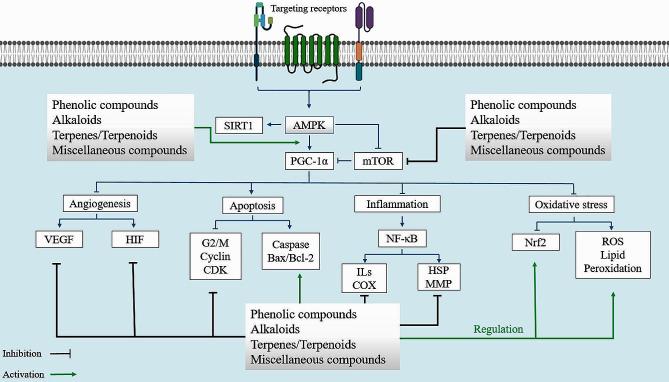
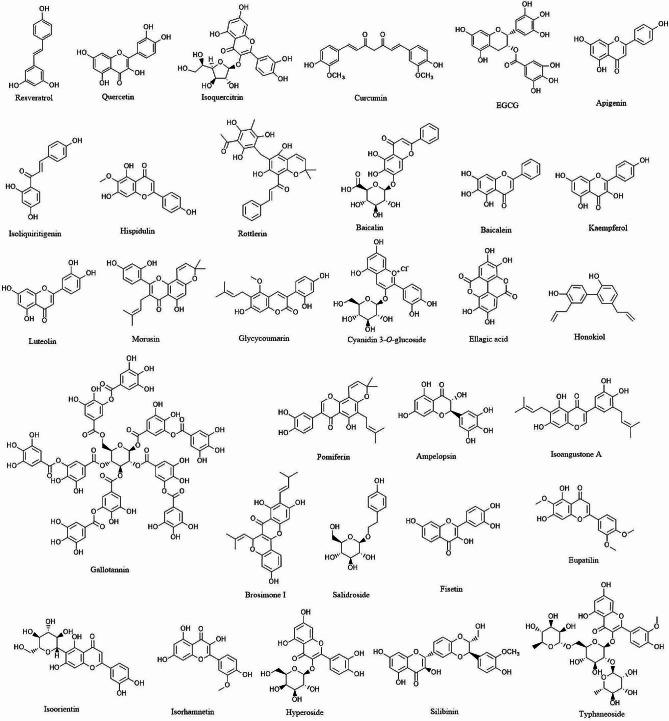
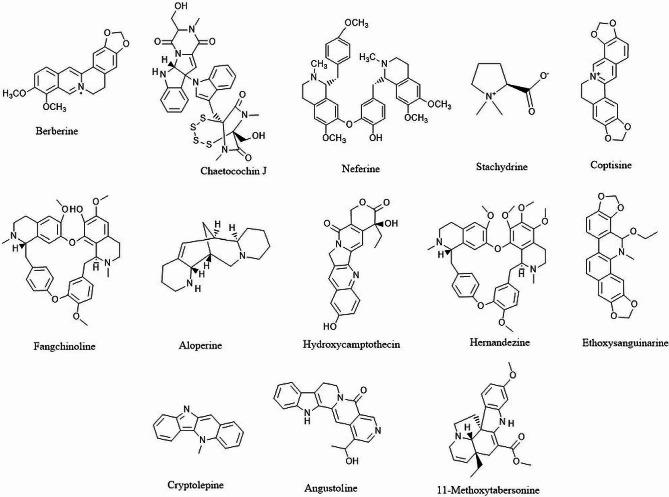
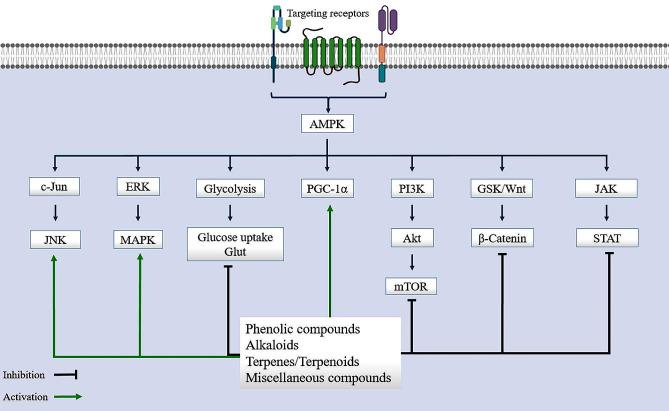
In this current review, the major signaling pathways of cancer metabolism are highlighted with the promising anticancer role of phytochemicals. This was through their ability to regulate the AMP-activated protein kinase (AMPK)/peroxisome proliferator-activated receptor-gamma coactivator-1α (PGC-1α) signaling pathway. The AMPK/PGC-1α signaling pathway plays a crucial role in cancer cell metabolism via targeting energy homeostasis and mitochondria biogenesis, glucose oxidation, and fatty acid oxidation, thereby generating ATP for cell growth. As a result, targeting this signaling pathway may represent a novel approach to cancer treatment. Accordingly, alkaloids, phenolic compounds, terpene/terpenoids, and miscellaneous phytochemicals have been introduced as promising anticancer agents by regulating the AMPK/PGC-1α signaling pathway. Novel delivery systems of phytochemicals targeting the AMPK/PGC-1α pathway in combating cancer are also highlighted in this review.
背景
由于癌症进展和转移涉及复杂的病理生理机制,目前的治疗方法缺乏疗效,且具有显著的不良反应。因此,建立新的抗癌策略至关重要。植物化学物质具有多种生物活性,如抗氧化、抗炎、抗突变、免疫调节、抗增殖、抗血管生成和抗转移特性,可通过抑制多种信号通路来调节癌症进展并干扰癌症发展的各个阶段。
方法
本系统全面的综述是根据系统评价和荟萃分析的首选报告项目(PRISMA)标准进行的,使用了电子数据库,包括 PubMed、Scopus 和 Science Direct,直到 2023 年 12 月底。排除不相关的文章后,本系统综述纳入了 111 篇相关文章。
结果
在本综述中,突出了癌症代谢的主要信号通路,并强调了植物化学物质具有有前途的抗癌作用。这是通过它们调节 AMP 激活的蛋白激酶(AMPK)/过氧化物酶体增殖物激活受体-γ共激活因子 1α(PGC-1α)信号通路的能力实现的。AMPK/PGC-1α 信号通路通过靶向能量平衡和线粒体生物发生、葡萄糖氧化和脂肪酸氧化,为细胞生长产生 ATP,在癌细胞代谢中发挥关键作用。因此,靶向该信号通路可能代表一种新的癌症治疗方法。相应地,生物碱、酚类化合物、萜烯/类萜和杂类植物化学物质已被介绍为通过调节 AMPK/PGC-1α 信号通路具有有前途的抗癌剂。本综述还强调了针对 AMPK/PGC-1α 通路的植物化学物质的新型递药系统在抗癌中的应用。


 Zotero 插件