
一种新型聚(N-异丙基丙烯酰胺)基热响应性光墨水的开发与表征及其在数字光处理生物打印中的应用。
Development and characterization of a novel poly(-isopropylacrylamide)-based thermoresponsive photoink and its applications in DLP bioprinting.
作者信息
Perera Kalindu D C, Boiani Sophia M, Vasta Alexandra K, Messenger Katherine J, Delva Sabrina, Menon Jyothi U
机构信息
Department of Biomedical and Pharmaceutical Sciences, College of Pharmacy, University of Rhode Island, Kingston, RI 02881, USA.
Department of Chemical Engineering, College of Engineering, University of Rhode Island, Kingston, RI 02881, USA.
出版信息
J Mater Chem B. 2024 Oct 2;12(38):9767-9779. doi: 10.1039/d4tb00682h.
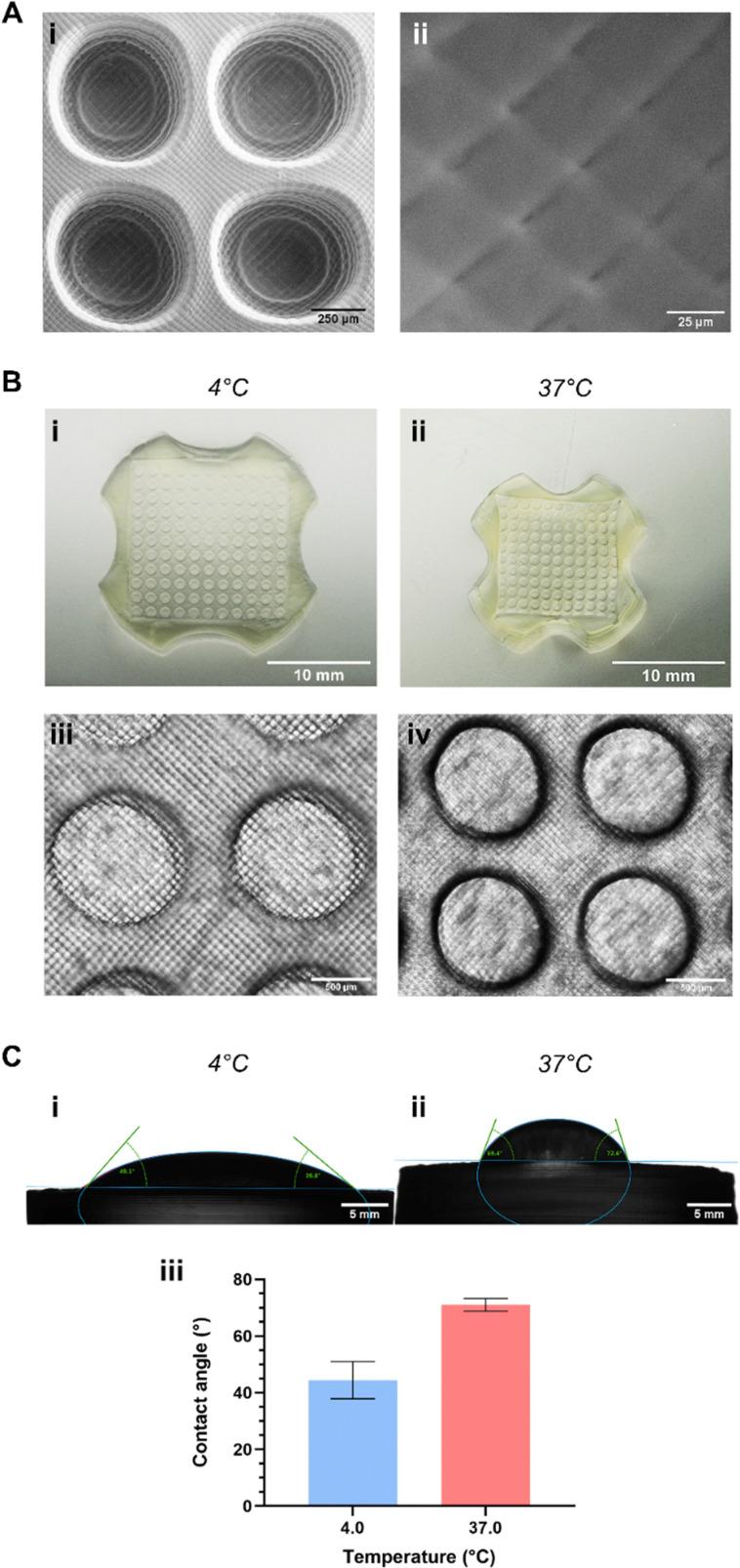
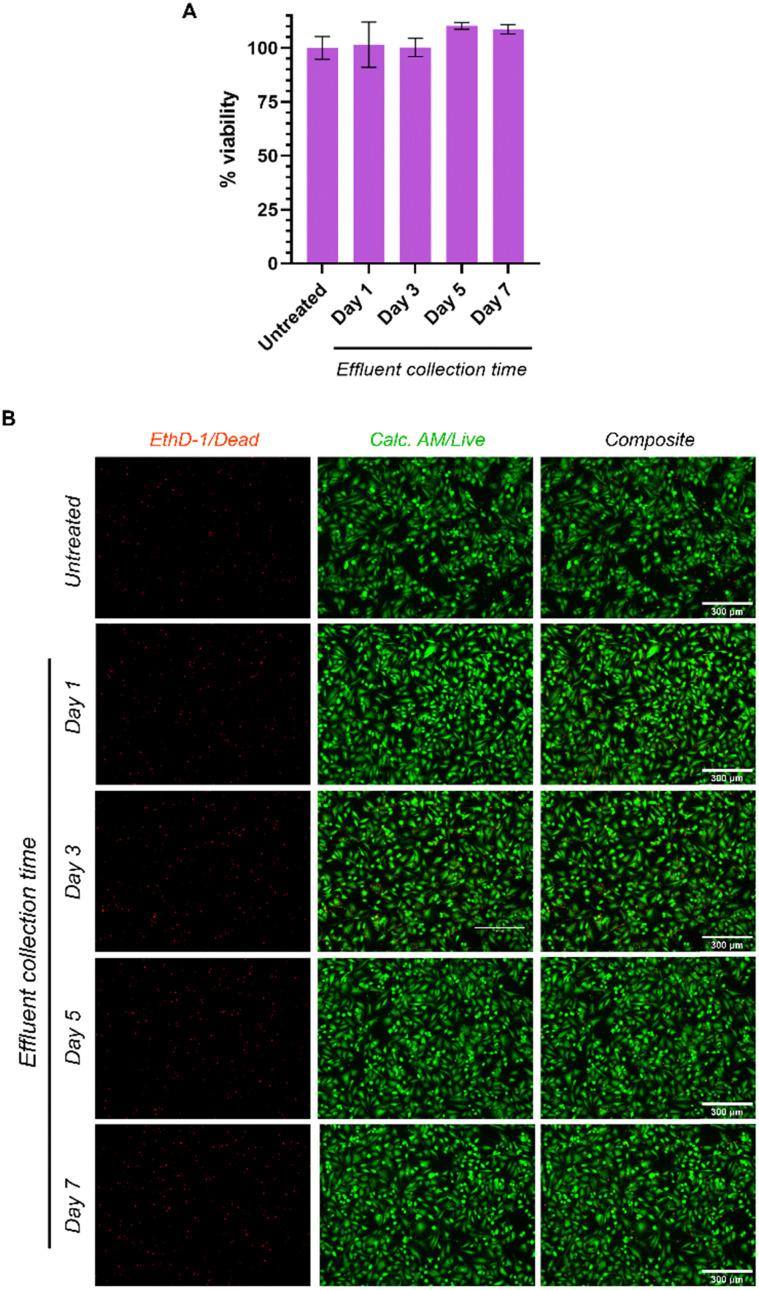
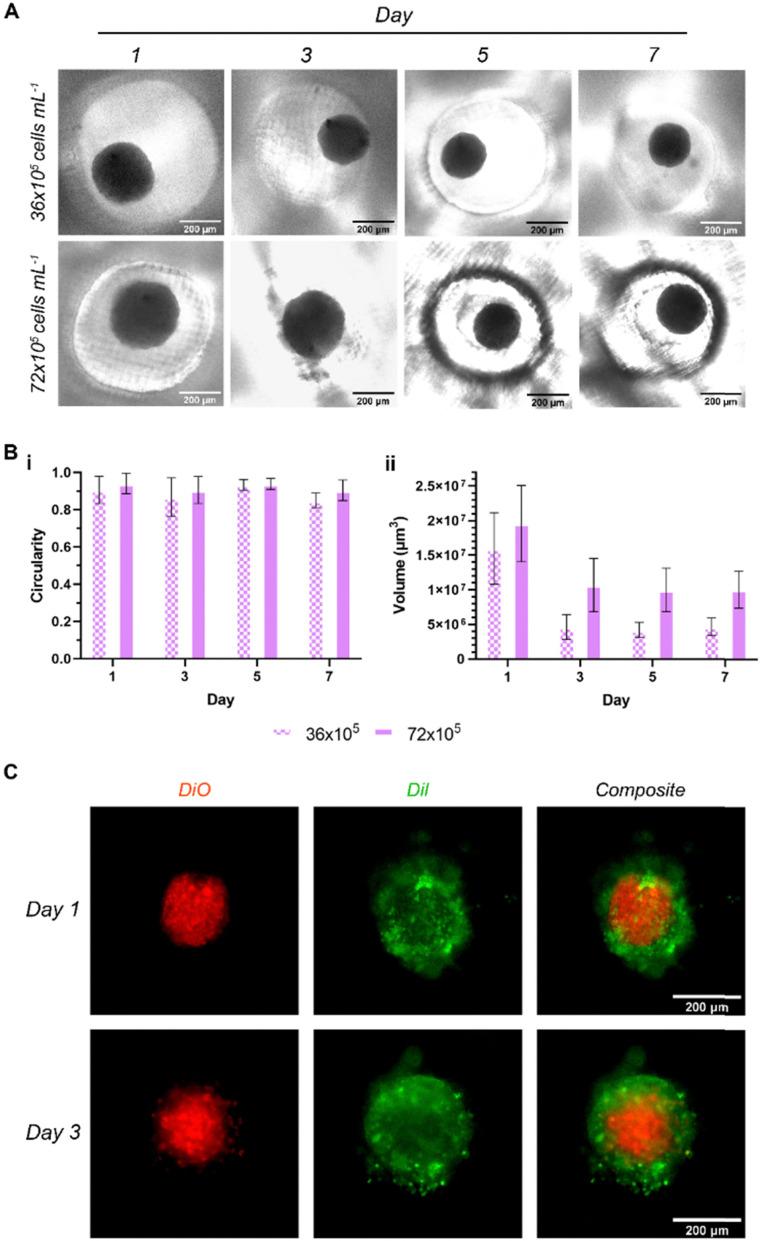
The field of 3-dimensional (3D) bioprinting has significantly expanded capabilities in producing precision-engineered hydrogel constructs, and recent years have seen the development of various stimuli-responsive bio- and photoinks. There is, however, a distinct lack of digital light processing (DLP)-compatible photoinks with thermoresponsivity. To remedy this, this work focuses on formulating and optimizing a versatile ink for DLP printing of thermoresponsive hydrogels, with numerous potential applications in tissue engineering, drug delivery, and adjacent biomedical fields. Photoink optimization was carried out using a multifactorial study design. The optimized photoink yielded crosslinked hydrogels with strong variations in hydrophobicity (contact angles of 44.4° <LCST, 71.0° >LCST), indicating marked thermoresponsivity. Mechanical- and rheological characterization of the printed hydrogels showed significant changes above the LCST: storage- and loss moduli both increased and loss tangent and compressive modulus decreased above this temperature ( ≤ 0.01). The highly cytocompatible hydrogel microwell arrays yielded both single- and multilayer spheroids with human dermal fibroblasts (HDFs) and HeLa cells successfully. Evaluation of the release of encapsulated model macro- (bovine serum albumin, BSA) and small molecule (rhodamine B) drugs in a buffer solution showed an interestingly inverted thermoresponsive release profile with >80% release at room temperature and about 50-60% release above the gels' LCST. All told, the optimized ink holds great promise for multiple biomedical applications including precise and high-resolution fabrication of complex tissue structures, development of smart drug delivery systems and 3D cell culture.
三维(3D)生物打印领域在生产精密工程水凝胶构建体方面的能力有了显著扩展,近年来出现了各种刺激响应性生物墨水和光固化墨水。然而,明显缺乏具有热响应性的数字光处理(DLP)兼容光固化墨水。为了弥补这一不足,这项工作专注于配制和优化一种用于热响应性水凝胶DLP打印的通用墨水,该墨水在组织工程、药物递送及相关生物医学领域有众多潜在应用。使用多因素研究设计对光固化墨水进行了优化。优化后的光固化墨水产生了交联水凝胶,其疏水性有很大差异(低临界溶液温度(LCST)以下接触角为44.4°,LCST以上为71.0°),表明具有显著的热响应性。对打印水凝胶的力学和流变学表征显示,在LCST以上有显著变化:在此温度以上(≤0.01),储能模量和损耗模量均增加,损耗角正切和压缩模量降低。高度细胞相容性的水凝胶微孔阵列成功地培养出了人真皮成纤维细胞(HDFs)和HeLa细胞的单层和多层球体。对缓冲溶液中封装的模型大分子(牛血清白蛋白,BSA)和小分子(罗丹明B)药物释放的评估显示,其热响应释放曲线有趣地呈倒置状态,在室温下释放率>80%,在凝胶的LCST以上约为50 - 60%。总之,优化后的墨水在多种生物医学应用方面前景广阔,包括复杂组织结构的精确和高分辨率制造、智能药物递送系统的开发以及3D细胞培养。




 Zotero 插件