
黄酮类化合物作为心肌缺血再灌注损伤的治疗药物:临床前研究的综合综述
Flavonoids as therapeutics for myocardial ischemia-reperfusion injury: a comprehensive review on preclinical studies.
作者信息
Verma Vipin Kumar, Bhardwaj Priya, Prajapati Vaishali, Bhatia Avantika, Purkait Sayani, Arya Dharamvir Singh
机构信息
Department of Pharmacology, All India Institute of Medical Sciences, New Delhi, 110029, India.
出版信息
Lab Anim Res. 2024 Sep 5;40(1):32. doi: 10.1186/s42826-024-00218-2.
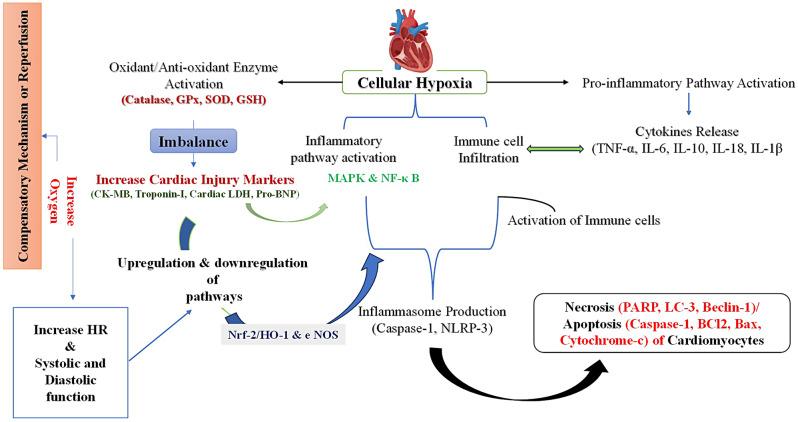
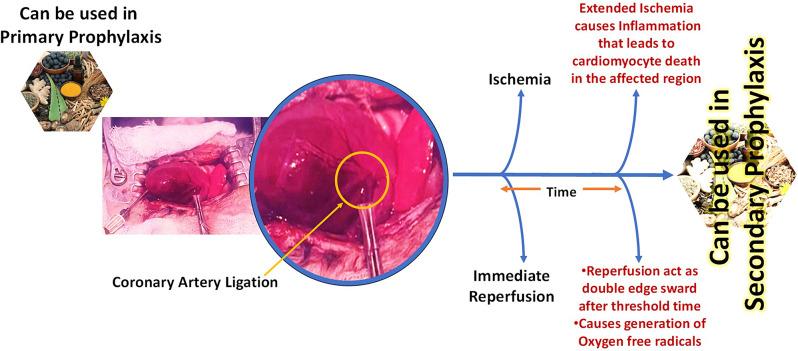
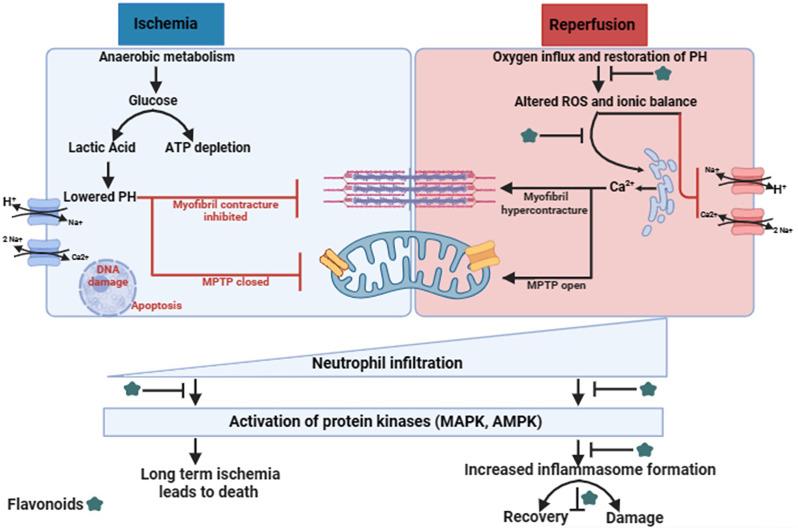
Ischemic heart disease is the most prevalent cause of death worldwide affecting both the gender of all age groups. The high mortality rate is due to damage of myocardial tissue that emanates at the time of myocardial ischemia and re-oxygenation, thus averting reperfusion injury is recognized as a potential way to reduce acute cardiac injury and subsequent mortality. Flavonoids are polyphenol derivatives of plant origin and empirical shreds of evidence substantiate their numerous activities such as antioxidant, anti-inflammatory, anti-apoptotic, and anti-thrombotic activity, leading to their role in cardio protection. Recent investigations have unveiled the capacity of flavonoids to impede pivotal regulatory enzymes, signaling molecules, and transcription factors that orchestrate the mediators participating in the inflammatory cascade. The present comprehensive review, dwells on the preclinical studies on the effectiveness of flavonoids from the year 2007 to 2023, for the prevention and therapeutics for myocardial ischemia-reperfusion injury.
缺血性心脏病是全球最普遍的死亡原因,影响所有年龄组的男女。高死亡率是由于心肌缺血和再氧合时心肌组织受损,因此避免再灌注损伤被认为是减少急性心脏损伤和后续死亡率的潜在方法。黄酮类化合物是植物来源的多酚衍生物,大量实证证据证实了它们的多种活性,如抗氧化、抗炎、抗凋亡和抗血栓形成活性,从而使其在心脏保护中发挥作用。最近的研究揭示了黄酮类化合物能够阻碍关键的调节酶、信号分子和转录因子,这些因子协调参与炎症级联反应的介质。本综述详细阐述了2007年至2023年黄酮类化合物预防和治疗心肌缺血再灌注损伤的临床前研究。
 Zotero 插件