
基于 VSV 系统筛选的 SARS-CoV-2 主蛋白酶(Mpro)抑制剂耐药突变体的综合研究。
A comprehensive study of SARS-CoV-2 main protease (Mpro) inhibitor-resistant mutants selected in a VSV-based system.
机构信息
Institute of Virology, Medical University of Innsbruck, Innsbruck, Tyrol, Austria.
Molecular Modeling Section (MMS), Department of Pharmaceutical and Pharmacological Sciences, University of Padua, Padova, Italy.
出版信息
PLoS Pathog. 2024 Sep 11;20(9):e1012522. doi: 10.1371/journal.ppat.1012522. eCollection 2024 Sep.
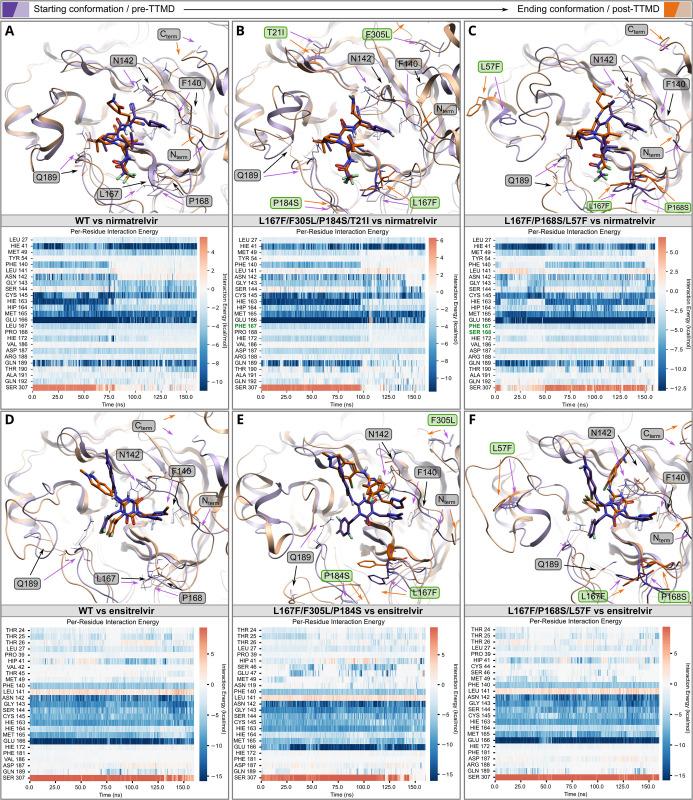
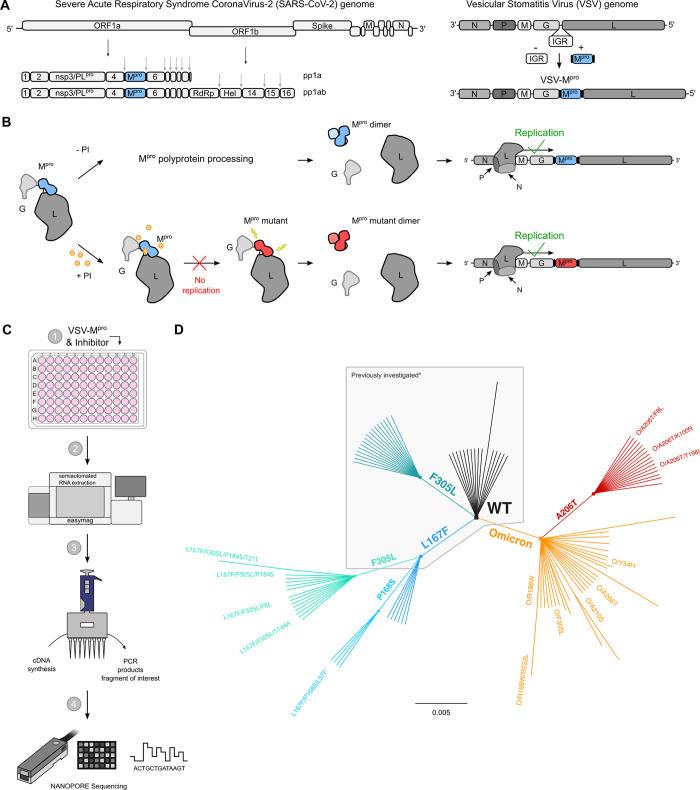
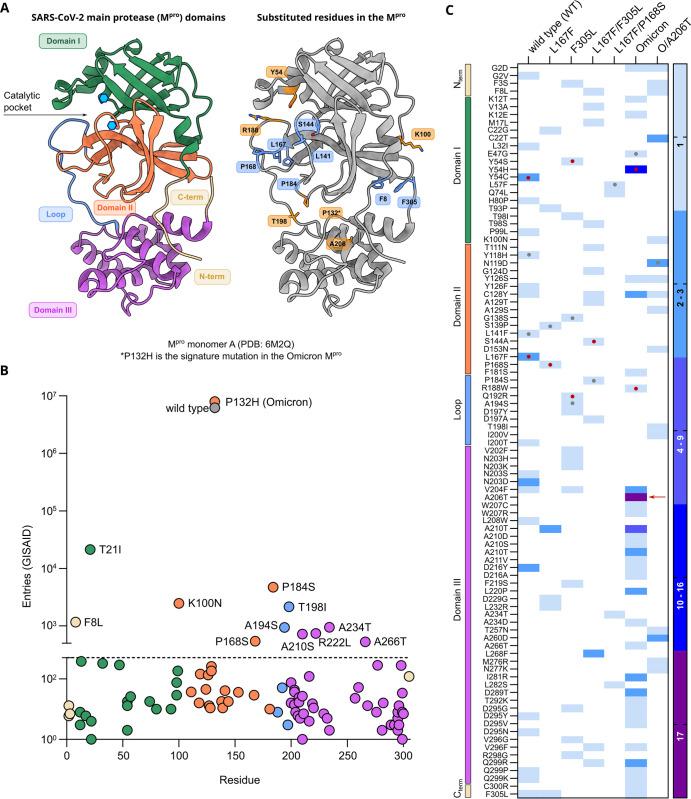
Nirmatrelvir was the first protease inhibitor specifically developed against the SARS-CoV-2 main protease (3CLpro/Mpro) and licensed for clinical use. As SARS-CoV-2 continues to spread, variants resistant to nirmatrelvir and other currently available treatments are likely to arise. This study aimed to identify and characterize mutations that confer resistance to nirmatrelvir. To safely generate Mpro resistance mutations, we passaged a previously developed, chimeric vesicular stomatitis virus (VSV-Mpro) with increasing, yet suboptimal concentrations of nirmatrelvir. Using Wuhan-1 and Omicron Mpro variants, we selected a large set of mutants. Some mutations are frequently present in GISAID, suggesting their relevance in SARS-CoV-2. The resistance phenotype of a subset of mutations was characterized against clinically available protease inhibitors (nirmatrelvir and ensitrelvir) with cell-based, biochemical and SARS-CoV-2 replicon assays. Moreover, we showed the putative molecular mechanism of resistance based on in silico molecular modelling. These findings have implications on the development of future generation Mpro inhibitors, will help to understand SARS-CoV-2 protease inhibitor resistance mechanisms and show the relevance of specific mutations, thereby informing treatment decisions.
尼马瑞韦是第一种专门针对 SARS-CoV-2 主蛋白酶(3CLpro/Mpro)开发并获得临床许可的蛋白酶抑制剂。随着 SARS-CoV-2 的持续传播,对尼马瑞韦和其他现有治疗方法产生耐药性的变异体很可能会出现。本研究旨在鉴定和表征对尼马瑞韦产生耐药性的突变。为了安全地产生 Mpro 耐药突变,我们用递增但低于最佳浓度的尼马瑞韦传代培养先前开发的嵌合水疱性口炎病毒(VSV-Mpro)。使用武汉-1 和奥密克戎 Mpro 变体,我们选择了一大组突变体。一些突变经常在 GISAID 中出现,表明它们在 SARS-CoV-2 中的相关性。我们使用基于细胞的生化和 SARS-CoV-2 复制子测定法,对突变体的一部分耐药表型进行了特征分析,这些突变体针对临床上可用的蛋白酶抑制剂(尼马瑞韦和恩曲他滨)。此外,我们基于计算机分子建模展示了耐药的潜在分子机制。这些发现对下一代 Mpro 抑制剂的开发具有重要意义,将有助于了解 SARS-CoV-2 蛋白酶抑制剂耐药机制,并显示特定突变的相关性,从而为治疗决策提供信息。


 Zotero 插件