
最新进展:关于民族植物学用途、加工、植物化学、药理作用、质量控制及生物合成影响因素的综合综述
Recent advances in : A comprehensive review on ethnobotanical uses, processing, phytochemistry, pharmacological effects, quality control and influence factors of biosynthesis.
作者信息
Ma Wentao, Liu Tianyu, Ogaji Omachi Daniel, Li Jin, Du Kunze, Chang Yanxu
机构信息
State Key Laboratory of Component-based Chinese Medicine, Tianjin University of Traditional Chinese Medicine, Tianjin, 301617, China.
Tianjin Key Laboratory of Phytochemistry and Pharmaceutical Analysis, Tianjin University of Traditional Chinese Medicine, Tianjin, 301617, China.
出版信息
Heliyon. 2024 Aug 20;10(16):e36146. doi: 10.1016/j.heliyon.2024.e36146. eCollection 2024 Aug 30.
BACKGROUND
(SR) is the dried root of Georgi. It has a long history of ethnic medicinal use, traditionally recognized for its efficacy in clearing heat, drying dampness, eliminating fire, removing toxins stopping bleeding and tranquilizing fetus to prevent miscarriage. Clinically, it is used to treat cold, fever, migraine, hand-foot-and-mouth diseases, liver cancer and inflammatory diseases.
PURPOSE
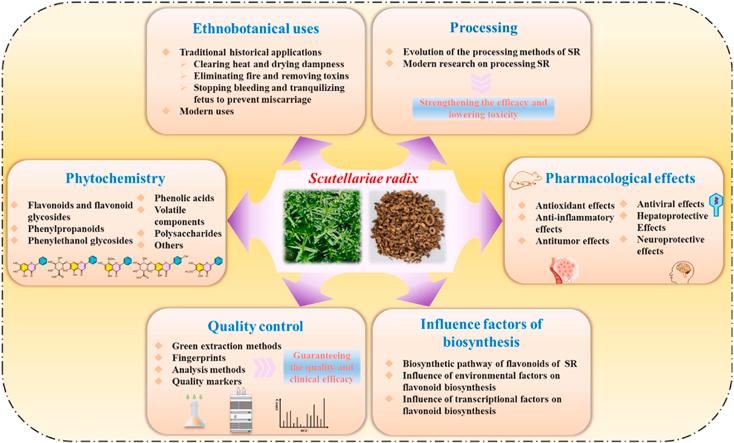
The review aims to provide a comprehensive reference on the ethnobotanical uses, processing, phytochemistry, pharmacological effect, quality control and influence factors of biosynthesis for a deeper understanding of SR.
RESULTS AND CONCLUSION
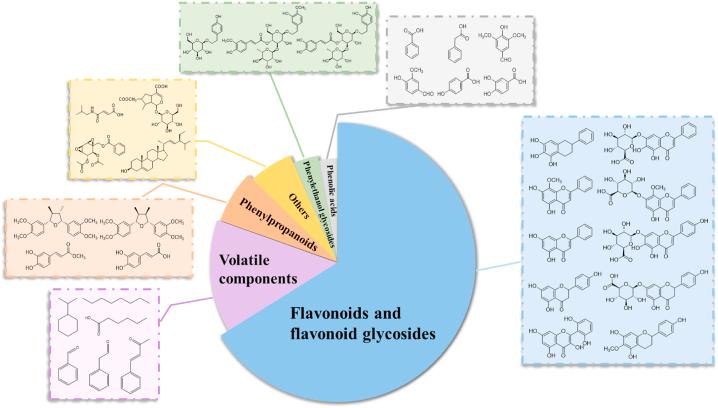
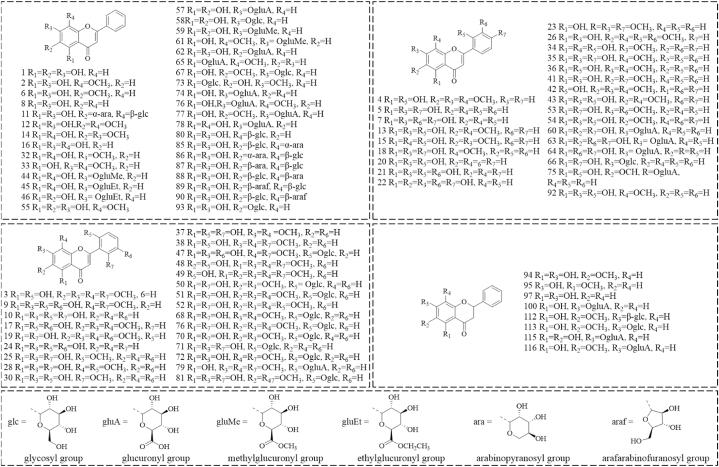
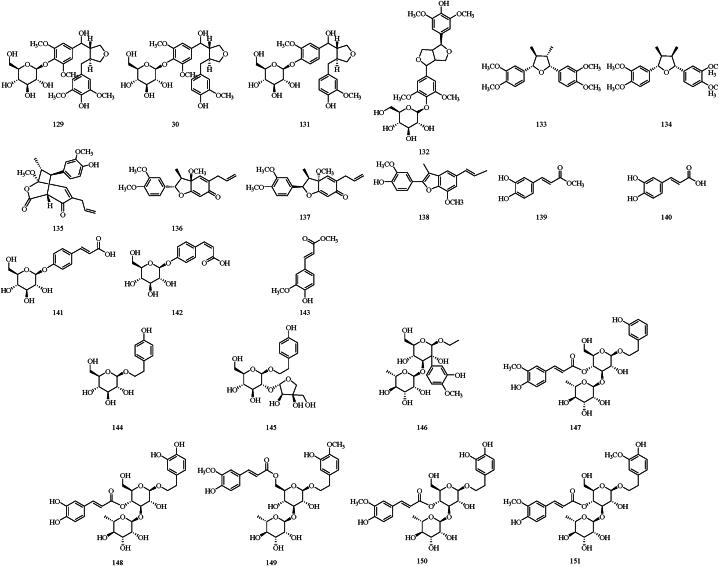
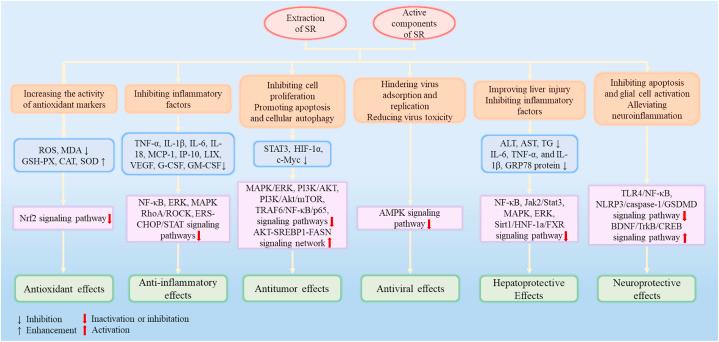
A total of 210 isolated components have been reported in the literature, including flavonoids and their glycosides, phenylpropanoids, phenylethanoid glycosides, phenolic acids, volatile components, polysaccharides and others. The extract of SR and its main flavonoids such as baicalin, baicalein, wogonin, wogonoside, and scutellarin showed antioxidant, anti-inflammatory, anti-tumor, antiviral, hepatoprotective, and neuroprotective effects. However, further studies are required to elucidate its mechanisms of action and clinical applications. The pharmacodynamic evaluation based on traditional efficacy should be conducted. Although various analytical methods have been established for the quality control of SR, there are gaps in the research regarding efficacy-related quality markers and the development of quality control standards for its processed products. The regulatory mechanisms of flavonoids biosynthesis remain to be explored while the influence of environmental and transcription factors on the biosynthesis have been studied. In conclusion, SR is a promising herbal medicine with significant potential for future development.
背景
(某药材名称,未给出具体中文名,暂用SR代替)是地锦草的干燥根。其民族药用历史悠久,传统上以清热、燥湿、泻火、解毒、止血、安胎等功效而闻名。临床上,它用于治疗感冒、发热、偏头痛、手足口病、肝癌及炎症性疾病。
目的
本综述旨在提供关于SR的民族植物学用途、炮制方法、植物化学、药理作用、质量控制及生物合成影响因素的全面参考,以便更深入地了解SR。
结果与结论
文献中共报道了210种分离成分,包括黄酮类及其苷类、苯丙素类、苯乙醇苷类、酚酸类、挥发性成分、多糖类等。SR提取物及其主要黄酮类成分如黄芩苷、黄芩素、汉黄芩素、汉黄芩苷和野黄芩苷具有抗氧化、抗炎、抗肿瘤、抗病毒、保肝及神经保护作用。然而,尚需进一步研究以阐明其作用机制及临床应用。应基于传统功效进行药效学评价。尽管已建立了多种分析方法用于SR的质量控制,但在与功效相关的质量标志物及炮制品质量控制标准的制定方面仍存在研究空白。黄酮类生物合成的调控机制尚待探索,而环境和转录因子对生物合成的影响已得到研究。总之,SR是一种具有广阔发展前景的草药。


 Zotero 插件