
铜死亡:机制、生物学意义及在疾病治疗方面的进展——系统综述。
Cuproptosis: Mechanisms, biological significance, and advances in disease treatment-A systematic review.
机构信息
Department of Neurosurgery, First Hospital of Jilin University, Changchun, P.R. China.
出版信息
CNS Neurosci Ther. 2024 Sep;30(9):e70039. doi: 10.1111/cns.70039.
BACKGROUND
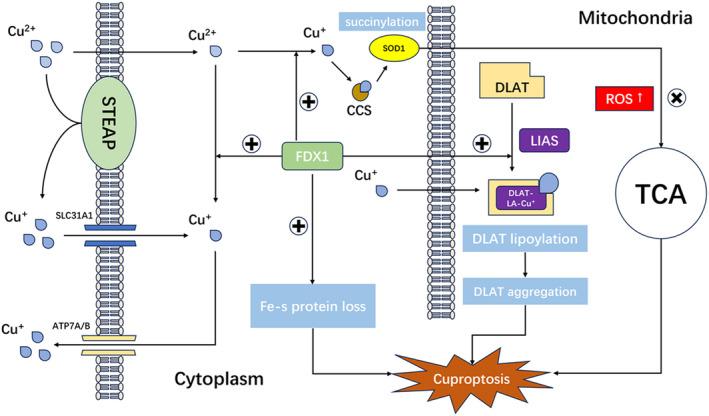
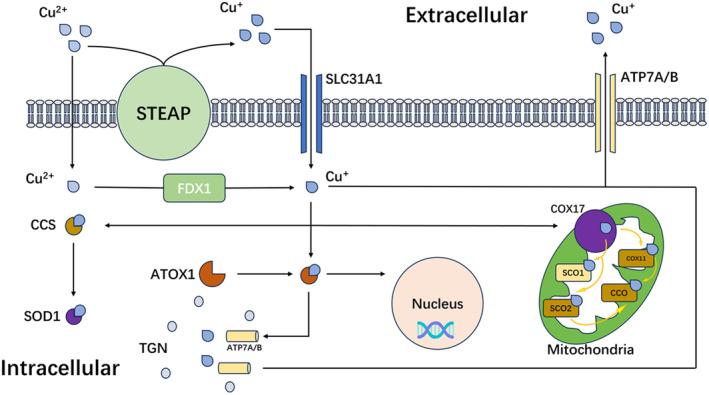
Copper is an essential trace element for biological systems, as it plays a critical role in the activity of various enzymes and metabolic processes. However, the dysregulation of copper homeostasis is closely associated with the onset and progression of numerous diseases. In recent years, copper-induced cell death, a novel form of cellular demise, has garnered significant attention. This process is characterized by the abnormal accumulation of intracellular copper ions, leading to cellular dysfunction and eventual cell death. Copper toxicity occurs through the interaction of copper with acylated enzymes in the tricarboxylic acid (TCA) cycle. This interaction results in subsequent protein aggregation, causing proteotoxic stress and ultimately resulting in cell death. Despite the promise of these findings, the detailed mechanisms and broader implications of cuproptosis remain underexplored. Therefore, our study aimed to investigate the role of copper in cell death and autophagy, focusing on the molecular mechanisms of cuproptosis. We also aimed to discuss recent advancements in copper-related research across various diseases and tumors, providing insights for future studies and potential therapeutic applications.
MAIN BODY
This review delves into the biological significance of copper metabolism and the molecular mechanisms underlying copper-induced cell death. Furthermore, we discuss the role of copper toxicity in the pathogenesis of various diseases, emphasizing recent advancements in the field of oncology. Additionally, we explore the therapeutic potential of targeting copper toxicity.
CONCLUSION
The study highlights the need for further research to explore alternative pathways of copper-induced cell death, detailed mechanisms of cuproptosis, and biomarkers for copper poisoning. Future research should focus on exploring the molecular mechanisms of cuproptosis, developing new therapeutic strategies, and verifying their safety and efficacy in clinical trials.
背景
铜是生物系统必需的微量元素,因为它在各种酶和代谢过程的活性中起着关键作用。然而,铜稳态失调与许多疾病的发生和进展密切相关。近年来,铜诱导的细胞死亡,一种新的细胞死亡形式,引起了广泛关注。这个过程的特征是细胞内铜离子的异常积累,导致细胞功能障碍和最终的细胞死亡。铜毒性是通过铜与三羧酸(TCA)循环中的酰化酶相互作用而发生的。这种相互作用导致随后的蛋白质聚集,引起蛋白毒性应激,最终导致细胞死亡。尽管这些发现很有希望,但铜死亡的详细机制和更广泛的影响仍未得到充分探索。因此,我们的研究旨在探讨铜在细胞死亡和自噬中的作用,重点研究铜死亡的分子机制。我们还旨在讨论铜相关研究在各种疾病和肿瘤中的最新进展,为未来的研究和潜在的治疗应用提供见解。
正文
本综述深入探讨了铜代谢的生物学意义以及铜诱导细胞死亡的分子机制。此外,我们讨论了铜毒性在各种疾病发病机制中的作用,强调了肿瘤学领域的最新进展。此外,我们还探讨了靶向铜毒性的治疗潜力。
结论
该研究强调了需要进一步研究以探索铜诱导细胞死亡的替代途径、铜死亡的详细机制以及铜中毒的生物标志物。未来的研究应侧重于探索铜死亡的分子机制、开发新的治疗策略,并在临床试验中验证其安全性和有效性。
 Zotero 插件