
基于狭缝印迹和电喷雾/基质辅助激光解吸/电离质谱联用的新型分析方法鉴定和定量尿液中晚期糖基化终产物。
Slot Blot- and Electrospray Ionization-Mass Spectrometry/Matrix-Assisted Laser Desorption/Ionization-Mass Spectrometry-Based Novel Analysis Methods for the Identification and Quantification of Advanced Glycation End-Products in the Urine.
机构信息
Division of Molecular and Genetic Biology, Department of Life Science, Medical Research Institute, Kanazawa Medical University, Uchinada 920-0293, Ishikawa, Japan.
Department of Pharmacy, Kanazawa Medical University Hospital, Uchinada 920-0293, Ishikawa, Japan.
出版信息
Int J Mol Sci. 2024 Sep 5;25(17):9632. doi: 10.3390/ijms25179632.
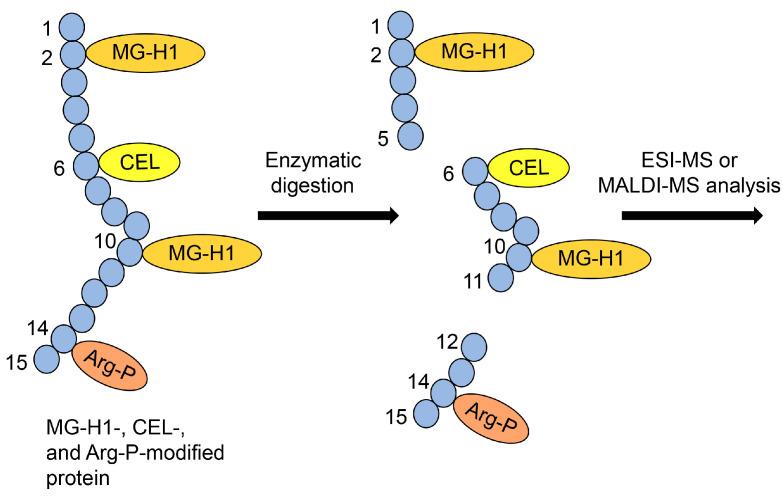
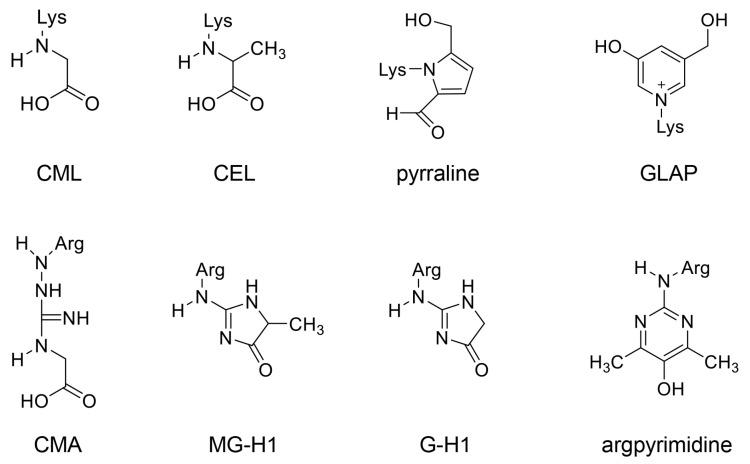
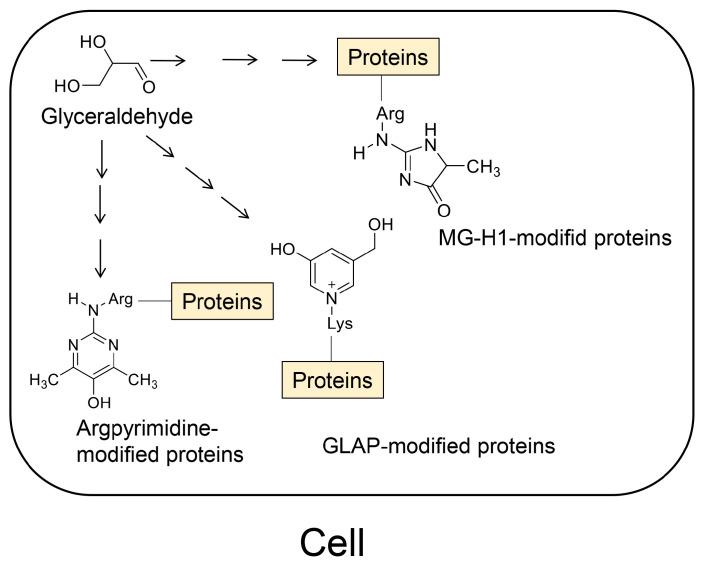
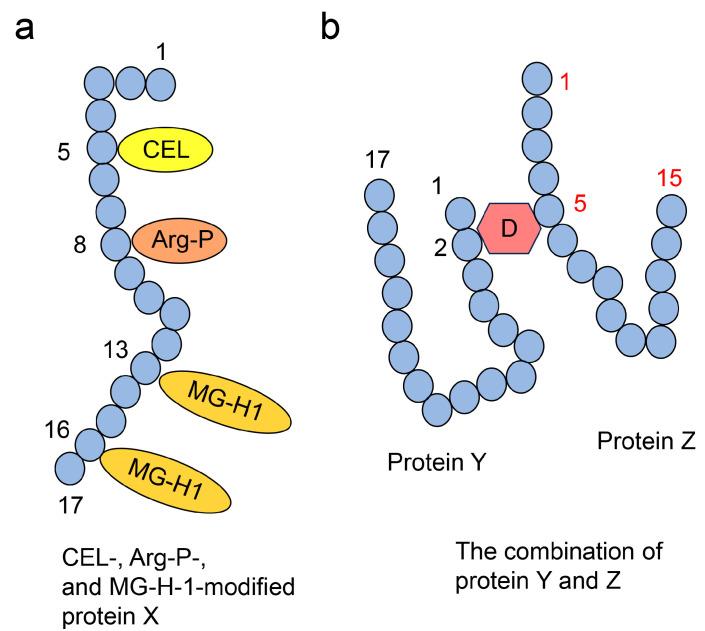
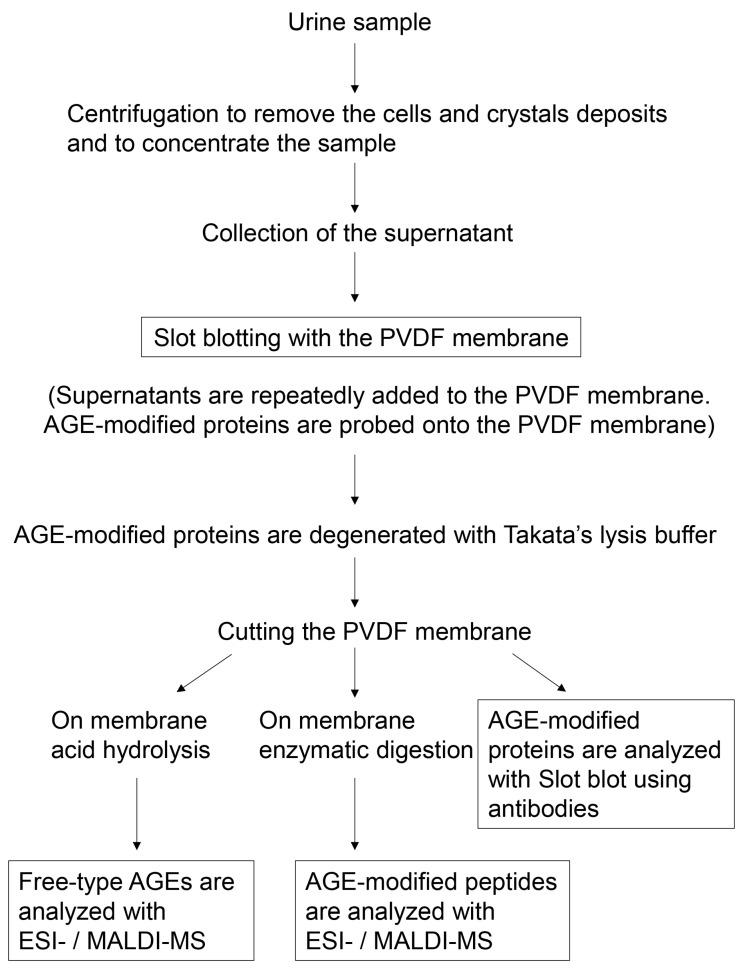
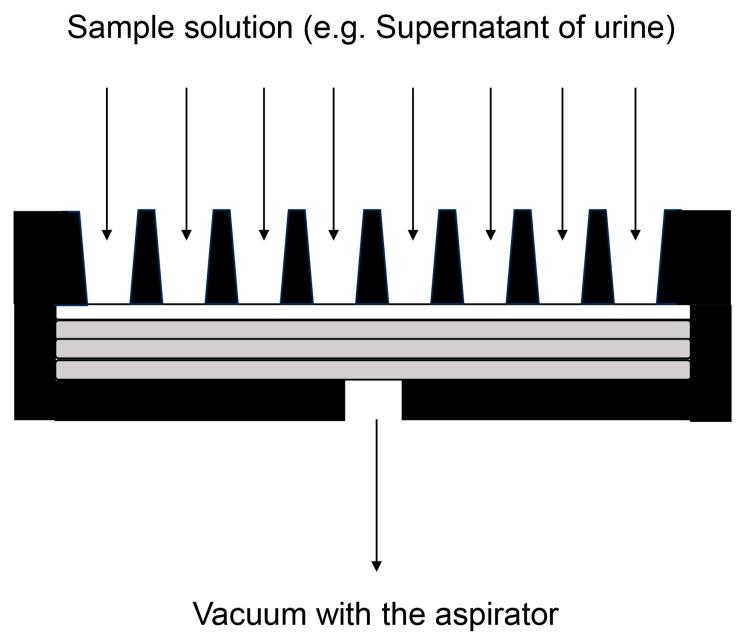
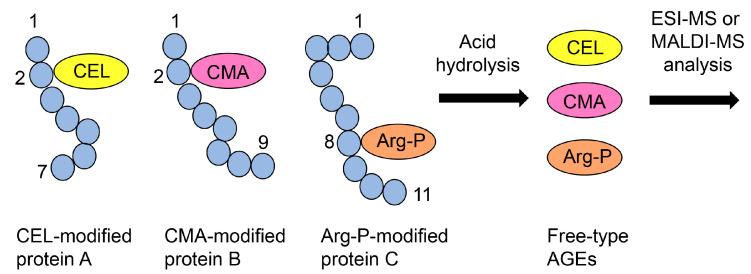
Proteins, saccharides, and low molecular organic compounds in the blood, urine, and saliva could potentially serve as biomarkers for diseases related to diet, lifestyle, and the use of illegal drugs. Lifestyle-related diseases (LSRDs) such as diabetes mellitus (DM), non-alcoholic steatohepatitis, cardiovascular disease, hypertension, kidney disease, and osteoporosis could develop into life-threatening conditions. Therefore, there is an urgent need to develop biomarkers for their early diagnosis. Advanced glycation end-products (AGEs) are associated with LSRDs and may induce/promote LSRDs. The presence of AGEs in body fluids could represent a biomarker of LSRDs. Urine samples could potentially be used for detecting AGEs, as urine collection is convenient and non-invasive. However, the detection and identification of AGE-modified proteins in the urine could be challenging, as their concentrations in the urine might be extremely low. To address this issue, we propose a new analytical approach. This strategy employs a method previously introduced by us, which combines slot blotting, our unique lysis buffer named Takata's lysis buffer, and a polyvinylidene difluoride membrane, in conjunction with electrospray ionization-mass spectrometry (ESI)/matrix-assisted laser desorption/ionization-mass spectrometry (MALDI-MS). This novel strategy could be used to detect AGE-modified proteins, AGE-modified peptides, and free-type AGEs in urine samples.
血液、尿液和唾液中的蛋白质、糖类和低分子有机化合物可能可作为与饮食、生活方式和使用非法药物相关的疾病的生物标志物。生活方式相关疾病(LSRDs),如糖尿病(DM)、非酒精性脂肪性肝炎、心血管疾病、高血压、肾病和骨质疏松症,可能发展为危及生命的疾病。因此,迫切需要开发用于早期诊断的生物标志物。晚期糖基化终产物(AGEs)与 LSRDs 相关,并且可能诱导/促进 LSRDs。体液中 AGEs 的存在可能代表 LSRDs 的生物标志物。尿液样本可能可用于检测 AGEs,因为尿液收集方便且无创。然而,尿液中 AGE 修饰蛋白的检测和鉴定可能具有挑战性,因为其在尿液中的浓度可能极低。为了解决这个问题,我们提出了一种新的分析方法。该策略采用了我们之前提出的方法,该方法结合了槽式印迹、我们独特的裂解缓冲液(Takata 的裂解缓冲液)和聚偏二氟乙烯膜,并结合了电喷雾电离-质谱(ESI)/基质辅助激光解吸/电离-质谱( MALDI-MS)。这种新策略可用于检测尿液样品中的 AGE 修饰蛋白、AGE 修饰肽和游离型 AGEs。






 Zotero 插件