
肠道微生物群、短链脂肪酸之间的相互作用及其对宿主健康和疾病的影响。
The interplay between gut microbiota, short-chain fatty acids, and implications for host health and disease.
作者信息
Hays Kallie E, Pfaffinger Jacob M, Ryznar Rebecca
机构信息
Doctor of Osteopathic Medicine Program, Rocky Vista University College of Osteopathic Medicine, Englewood, CO, USA.
Department of Biomedical Sciences, Rocky Vista University College of Osteopathic Medicine, Englewood, CO, USA.
出版信息
Gut Microbes. 2024 Jan-Dec;16(1):2393270. doi: 10.1080/19490976.2024.2393270. Epub 2024 Sep 16.
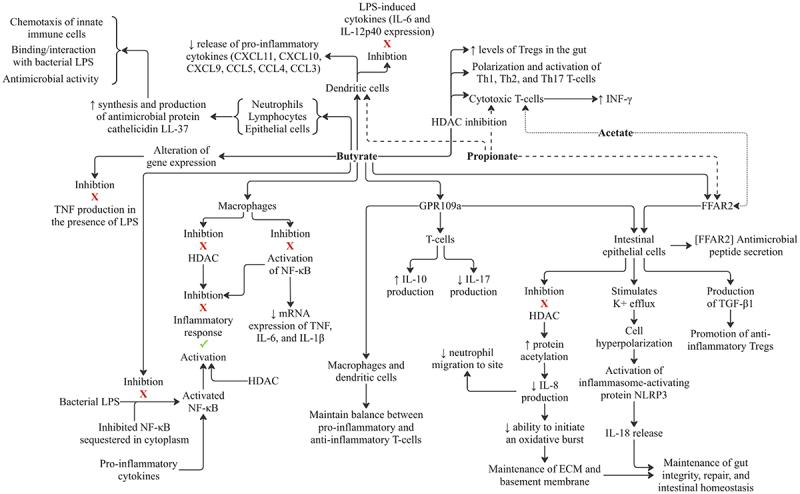
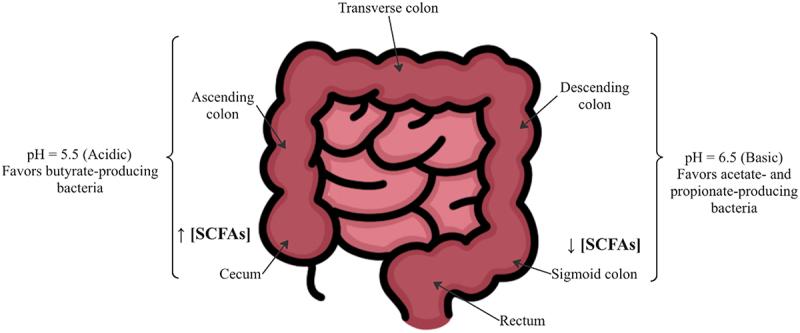
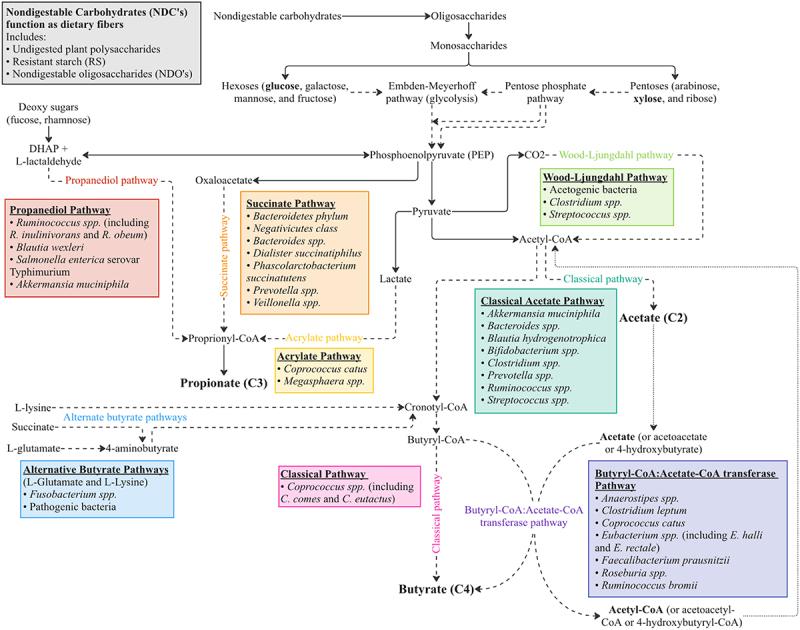
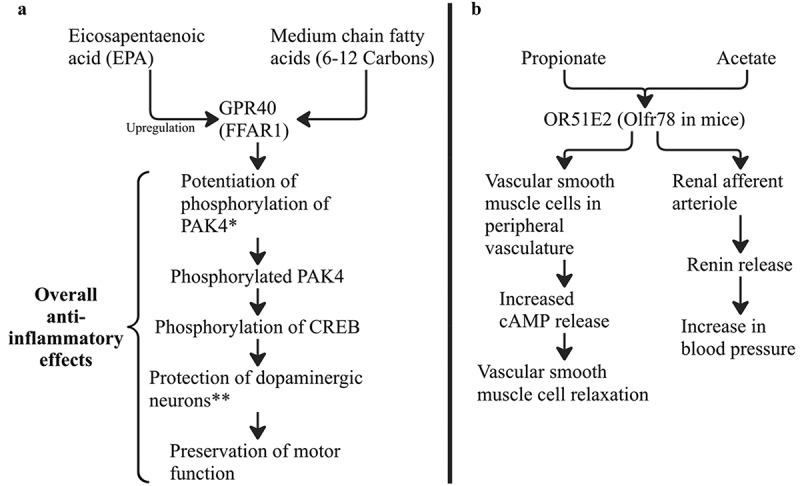
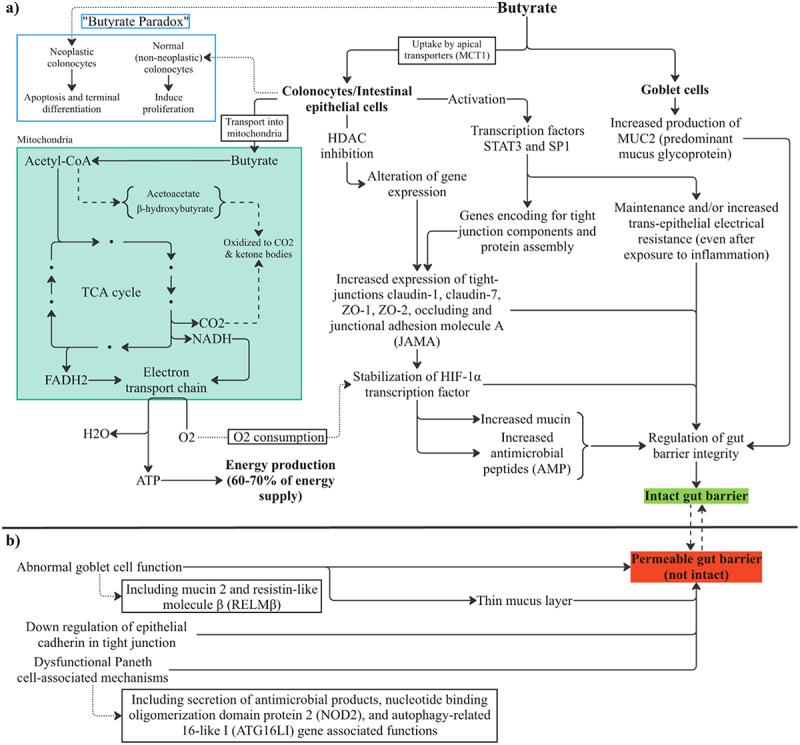
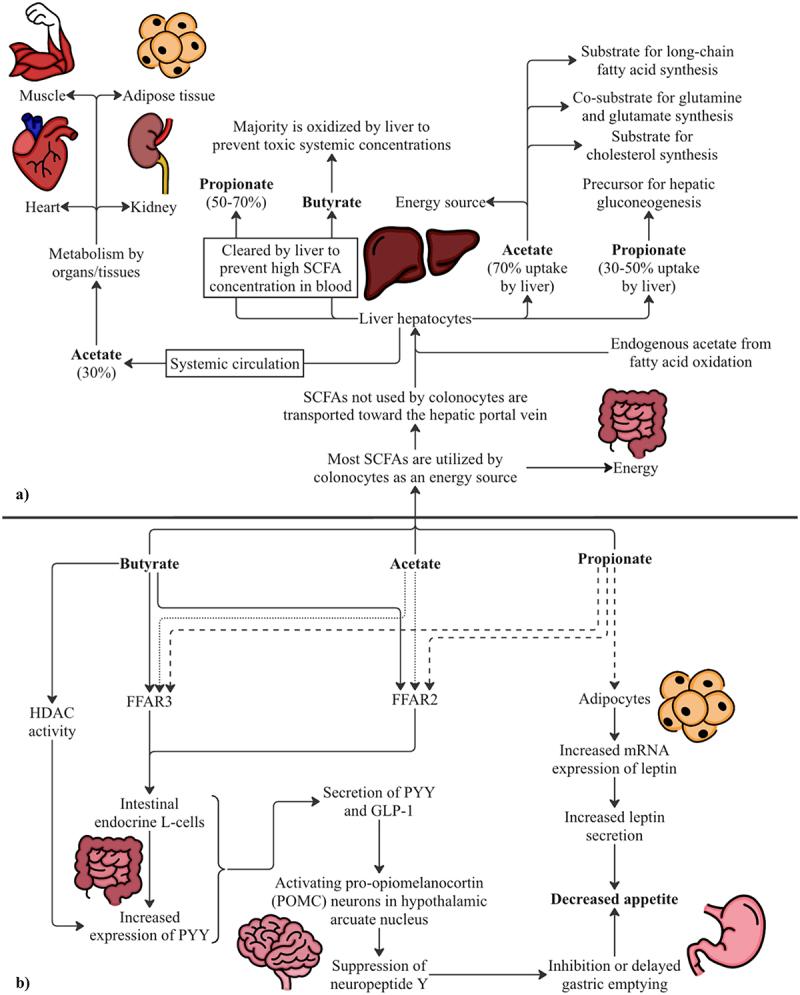
Short-chain fatty acids (SCFAs) - acetate, propionate, and butyrate - are important bacterial fermentation metabolites regulating many important aspects of human physiology. Decreases in the concentrations of any or multiple SCFAs are associated with various detrimental effects to the host. Previous research has broadly focused on gut microbiome produced SCFAs as a group, with minimal distinction between acetate, propionate, and butyrate independently, each with significantly different host effects. In this review, we comprehensively delineate the roles of these SCFAs with emphasis on receptor affinity, signaling pathway involvement, and net host physiologic effects. Butyrate is highlighted due to its unique role in gastrointestinal-associated functions, especially maintaining gut barrier integrity. Butyrate functions by promoting epithelial tight junctions, serving as fuel for colonocyte ATP production, and modulating the immune system. Interaction with the immune system occurs locally in the gastrointestinal tract and systemically in the brain. Investigation into research conducted on butyrate production pathways and specific bacterial players involved highlights a unique risk associated with use of gram-positive targeted antibiotics. We review and discuss evidence showing the relationship between the butyrate-producing gram-positive genus, , and susceptibility to commonly prescribed, widely used gram-positive antibiotics. Considering gut microbiome implications when choosing antibiotic therapy may benefit health outcomes in patients.
短链脂肪酸(SCFAs)——乙酸盐、丙酸盐和丁酸盐——是重要的细菌发酵代谢产物,调节着人体生理学的许多重要方面。任何一种或多种SCFAs浓度的降低都与对宿主的各种有害影响相关。以往的研究大多将肠道微生物群产生的SCFAs作为一个整体来关注,而对乙酸盐、丙酸盐和丁酸盐各自独立的区分很少,它们对宿主的影响有显著差异。在这篇综述中,我们全面阐述了这些SCFAs的作用,重点关注受体亲和力、信号通路参与情况以及对宿主的总体生理影响。丁酸盐因其在胃肠道相关功能中的独特作用而受到关注,尤其是在维持肠道屏障完整性方面。丁酸盐通过促进上皮紧密连接、作为结肠细胞ATP产生的燃料以及调节免疫系统来发挥作用。与免疫系统的相互作用在胃肠道局部和大脑全身发生。对丁酸盐产生途径和相关特定细菌的研究调查凸显了使用革兰氏阳性靶向抗生素的独特风险。我们回顾并讨论了证据,这些证据表明产生丁酸盐的革兰氏阳性菌属与对常用、广泛使用的革兰氏阳性抗生素的易感性之间的关系。在选择抗生素治疗时考虑肠道微生物群的影响可能有益于患者的健康结果。
 Zotero 插件