
雌激素受体与细胞外基质:癌症发生发展中的关键相互作用
Estrogen receptors and extracellular matrix: the critical interplay in cancer development and progression.
作者信息
Mangani Sylvia, Piperigkou Zoi, Koletsis Nikolaos E, Ioannou Paraskevi, Karamanos Nikos K
机构信息
Biochemistry, Biochemical Analysis & Matrix Pathobiology Research Group, Laboratory of Biochemistry, Department of Chemistry, University of Patras, Greece.
出版信息
FEBS J. 2025 Apr;292(7):1558-1572. doi: 10.1111/febs.17270. Epub 2024 Sep 16.
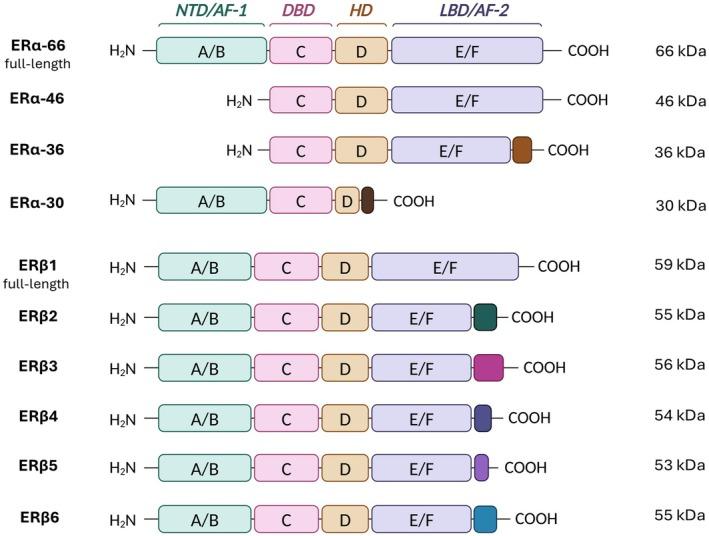
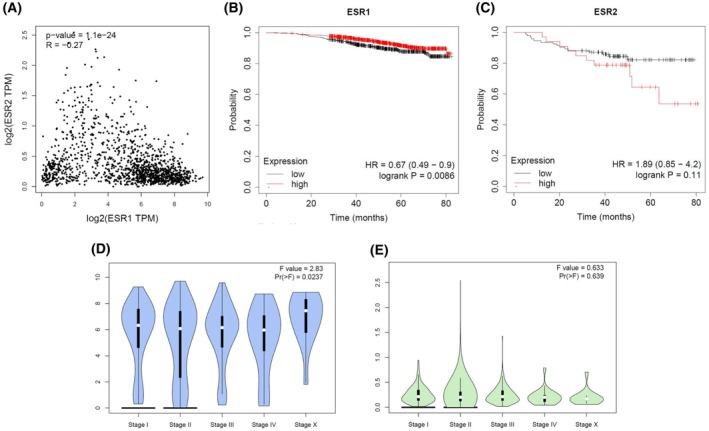
Cancer remains a significant global health concern. Breast cancer is a multifaceted and prevalent disease influenced by several factors, among which estrogen receptors (ERs) and the extracellular matrix (ECM) play pivotal roles. ERs, encompassing ERα and ERβ, exert significant diversity on tumor behavior, cell signaling, invasion, and metastatic potential, thus guiding breast cancer prognosis. Understanding the multifunctional connections between ERs and ECM that mediate the dynamics of tumor microenvironment is vital for unraveling the complexity of breast cancer pathobiology and identifying novel therapeutic targets. This critical review delves into the intricate nature of ERs, emphasizing their structural isoforms and the consequential impact on breast cancer outcomes. A detailed examination of ER-mediated cell signaling pathways reveals how differential expression of ERα and ERβ isoforms influence breast cancer cell behavior. The functional ERs-matrix interactions emerge as a pivotal factor in modulating epigenetic mechanisms of breast cancer cells, orchestrating changes in cellular phenotype and expression patterns of matrix modulators. Specifically, ERα isoforms are shown to regulate ECM signaling cascades, while the effects of ECM components on ERα activity highlight a bidirectional regulatory axis. The diversity of ERβ isoforms is also highlighted, illustrating their distinct contribution to ECM-mediated cellular responses. This review underscores the complex interplay between ERα/β isoforms and the ECM, shedding light onto the potential therapeutic strategies targeting these interactions to improve breast cancer management.
癌症仍然是全球重大的健康问题。乳腺癌是一种多方面的常见疾病,受多种因素影响,其中雌激素受体(ERs)和细胞外基质(ECM)起着关键作用。ERs包括ERα和ERβ,对肿瘤行为、细胞信号传导、侵袭和转移潜能具有显著差异,从而指导乳腺癌的预后。了解介导肿瘤微环境动态的ERs与ECM之间的多功能联系,对于阐明乳腺癌病理生物学的复杂性和确定新的治疗靶点至关重要。这篇批判性综述深入探讨了ERs的复杂本质,强调了它们的结构异构体以及对乳腺癌结局的相应影响。对ER介导的细胞信号通路的详细研究揭示了ERα和ERβ异构体的差异表达如何影响乳腺癌细胞行为。功能性ERs-基质相互作用成为调节乳腺癌细胞表观遗传机制、协调细胞表型变化和基质调节剂表达模式的关键因素。具体而言,ERα异构体被证明可调节ECM信号级联反应,而ECM成分对ERα活性的影响突出了一个双向调节轴。还强调了ERβ异构体的多样性,说明了它们对ECM介导的细胞反应的独特贡献。这篇综述强调了ERα/β异构体与ECM之间的复杂相互作用,揭示了针对这些相互作用的潜在治疗策略,以改善乳腺癌的管理。



 Zotero 插件