
使用活化黄麻杆木炭从水介质中去除微塑料。
Removal of microplastics from aqueous media using activated jute stick charcoal.
作者信息
Alom Nur, Roy Tapati, Sarkar Tanny, Rasel Md, Hossain Md Sanwar, Jamal Mamun
机构信息
Department of Chemistry, Khulna University of Engineering & Technology, Khulna, 9203, Bangladesh.
Microplastics Solution Ltd., Incubation Centre, KUET Business Park, Khulna, Bangladesh.
出版信息
Heliyon. 2024 Sep 3;10(18):e37380. doi: 10.1016/j.heliyon.2024.e37380. eCollection 2024 Sep 30.
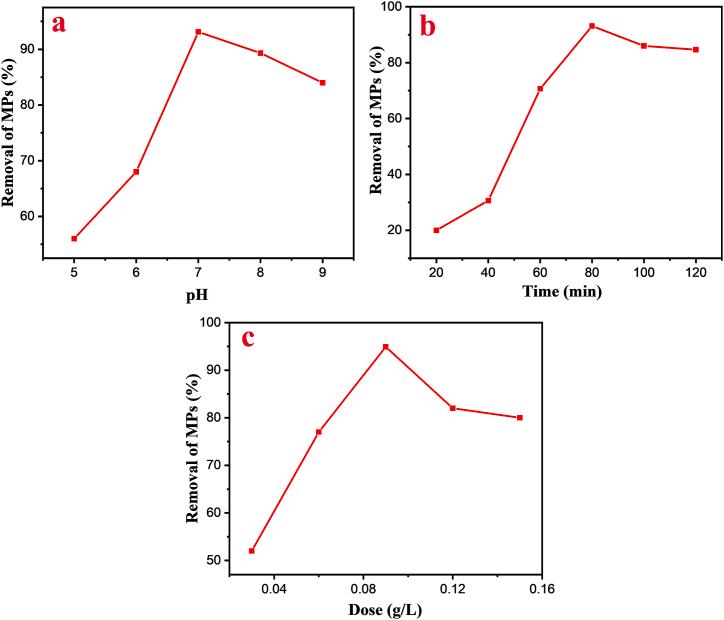
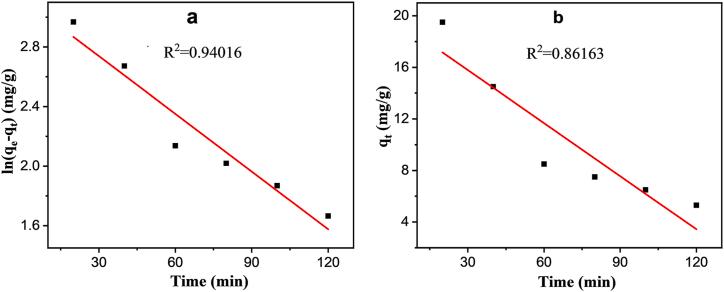
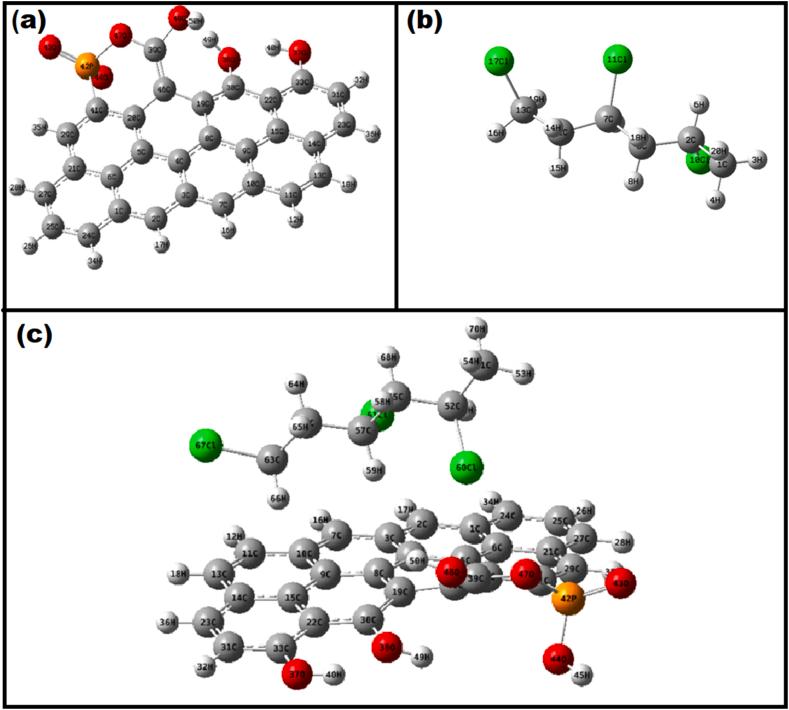
Microplastics (MPs), which are repositories of various pollutants, have significant effects on the people and the environment. Therefore, there is an urgent need for efficient and eco-friendly techniques to eliminate microplastics from water-based environments. This study introduces a new method for producing jute stick-activated charcoal (JSAC) by placing jute sticks on high-temperature pyrolysis without oxygen, followed by chemical activation with HCl. This process greatly enhances the adsorption capacity of JSAC for polyvinylchloride-based microplastics (PVC-MPs). JSAC was characterized using UV-Vis, FT-IR, XRD, and SEM studies both before and after adsorption. The study investigated the influence of pH, adsorbent quantity, and contact time on the optimization of the JSAC process. The PVC-MPs exhibited a maximum adsorption capacity of 94.12 % for the target MPs (5 g L) within 120 min when 10 g L of JSAC was added at pH 7. This work also examined adsorption rate and various isotherm models. Adsorption kinetics analysis reveals electrostatic, hydrogen bond, π-π, and hydrophobic interactions are the combined forces responsible for MPs adsorption onto JSAC. However, the decrease in hydrophobicity in acidic or basic media led to a decrease in adsorption. The isotherm analysis was conducted using the Langmuir isotherm model, and predicted the maximum adsorption capacity of PVC-MPs to be 4.4668 mg/g. Furthermore, by employing density functional theory, the interaction energy after PVC-MP adsorption was calculated to be -269 kcal/mol, demonstrating robust adsorption and agreement with the experimental findings. Due to its large surface area and porous structure containing many functional groups, JSAC can potentially be used to treat MP contamination in water.
微塑料(MPs)是各种污染物的储存库,对人类和环境有重大影响。因此,迫切需要高效且环保的技术来从水基环境中去除微塑料。本研究介绍了一种生产黄麻杆活性炭(JSAC)的新方法,即将黄麻杆置于无氧高温热解,然后用HCl进行化学活化。该过程极大地提高了JSAC对聚氯乙烯基微塑料(PVC-MPs)的吸附能力。在吸附前后分别使用紫外可见光谱、傅里叶变换红外光谱、X射线衍射和扫描电子显微镜对JSAC进行了表征。该研究考察了pH值、吸附剂用量和接触时间对优化JSAC工艺的影响。当在pH值为7时添加10 g/L的JSAC,PVC-MPs在120分钟内对目标微塑料(5 g/L)的最大吸附容量为94.12%。这项工作还研究了吸附速率和各种等温线模型。吸附动力学分析表明,静电、氢键、π-π和疏水相互作用是微塑料吸附到JSAC上的综合作用力。然而,酸性或碱性介质中疏水性的降低导致吸附量减少。使用朗缪尔等温线模型进行等温线分析,预测PVC-MPs的最大吸附容量为4.4668 mg/g。此外,通过采用密度泛函理论,计算出PVC-MP吸附后的相互作用能为-269 kcal/mol,表明吸附作用较强,与实验结果相符。由于其大表面积和含有许多官能团的多孔结构,JSAC有望用于处理水中的微塑料污染。




 Zotero 插件