
β-乳球蛋白增强黏土和活性炭对镉和铅的吸附及保护性能。
β-Lactoglobulin Enhances Clay and Activated Carbon Binding and Protection Properties for Cadmium and Lead.
作者信息
Lilly Kendall, Wang Meichen, Orr Asuka A, Bondos Sarah E, Phillips Timothy D, Tamamis Phanourios
机构信息
Department of Materials Science and Engineering, College of Engineering, Texas A&M University, College Station, Texas 77843, United States.
Department of Veterinary Physiology and Pharmacology, College of Veterinary Medicine and Biomedical Sciences, Texas A&M University, College Station, Texas 77843, United States.
出版信息
Ind Eng Chem Res. 2024 Sep 6;63(37):16124-16140. doi: 10.1021/acs.iecr.4c01774. eCollection 2024 Sep 18.
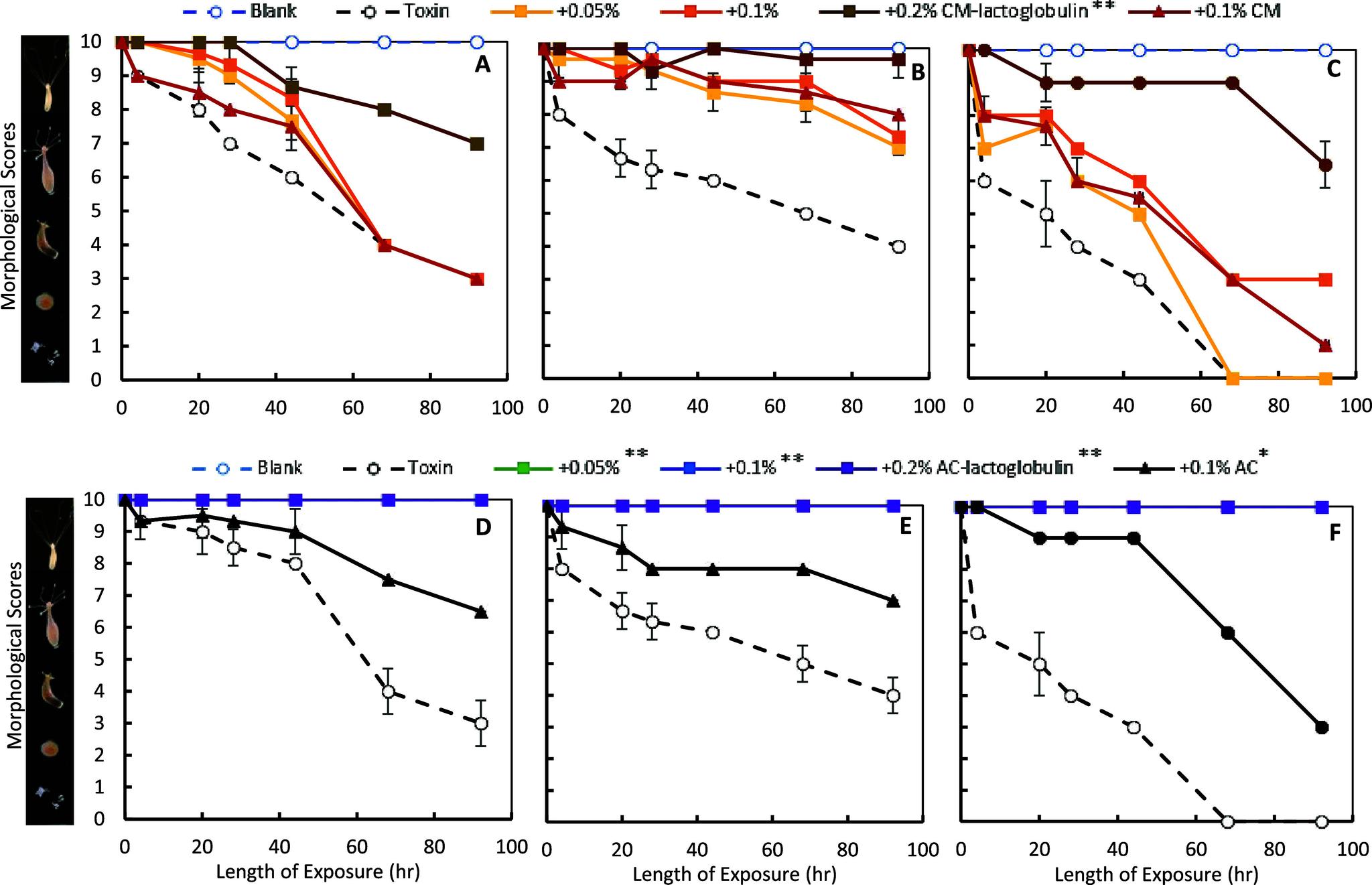
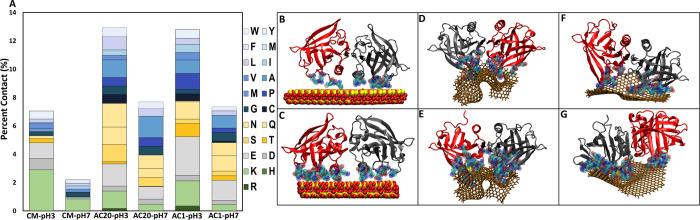
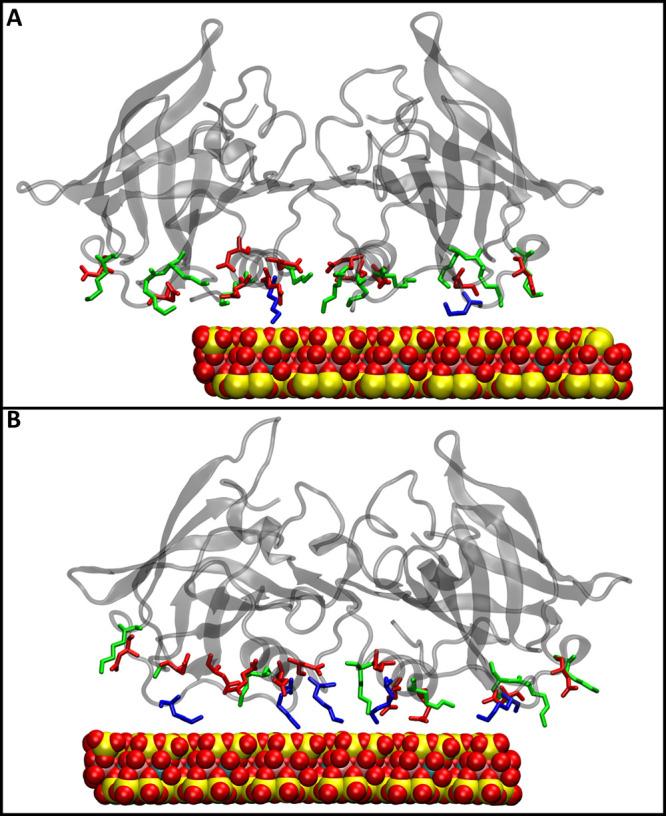
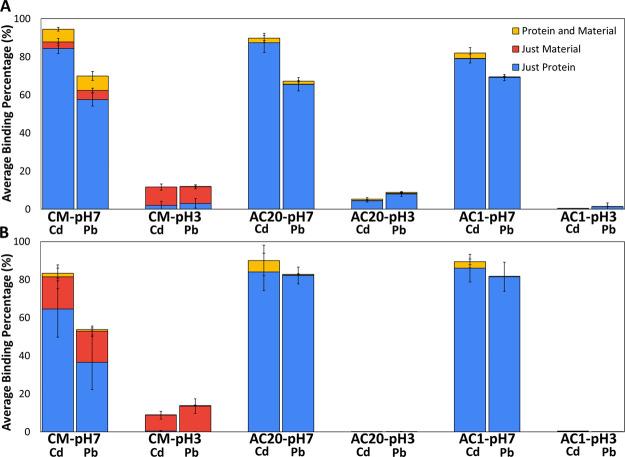
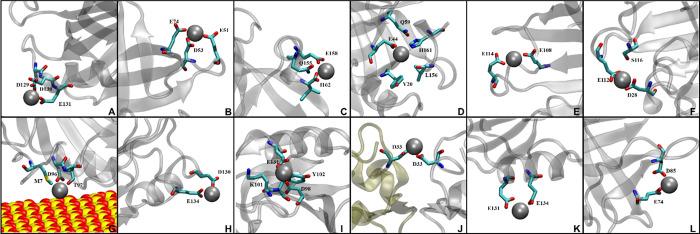
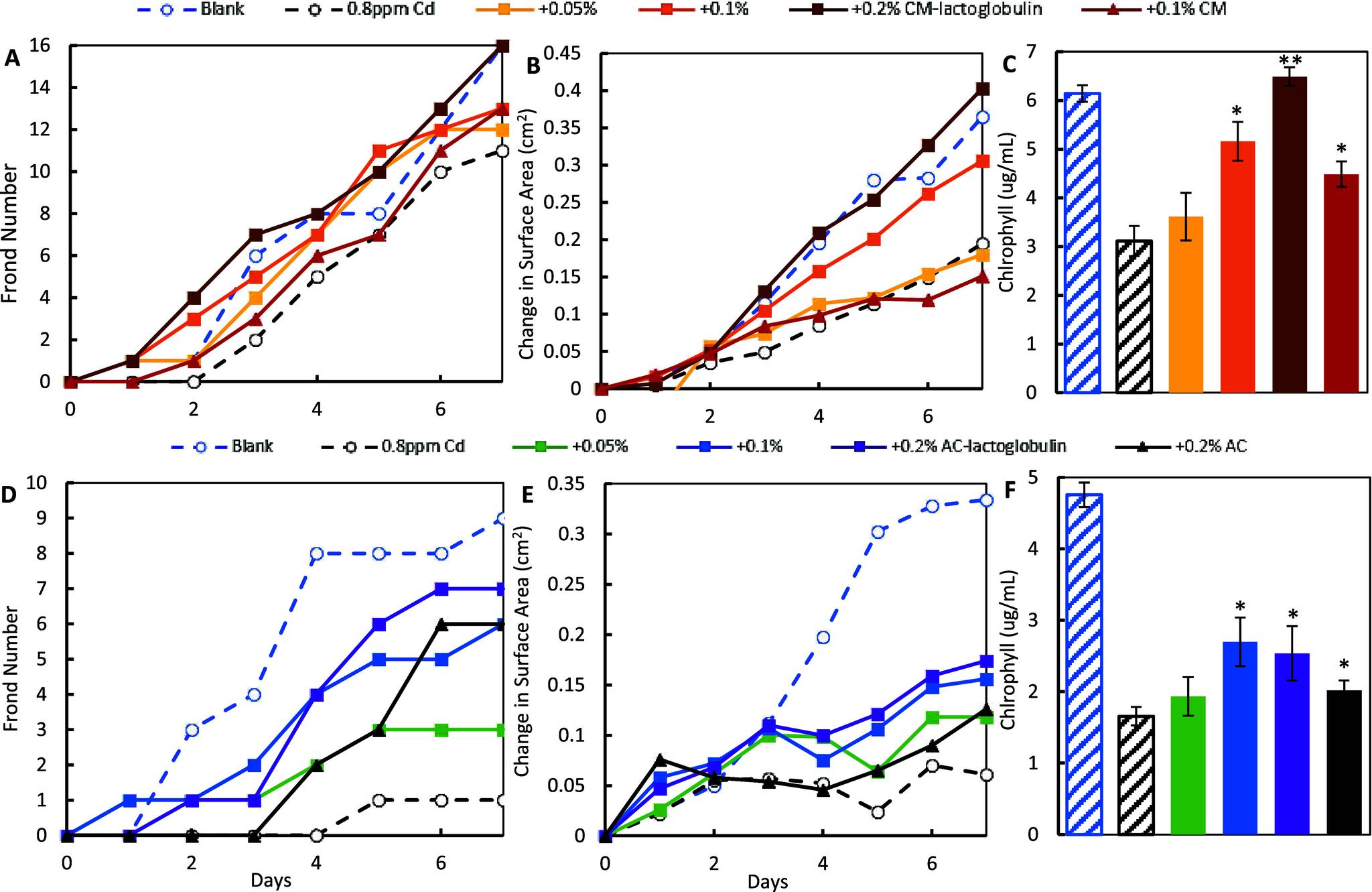
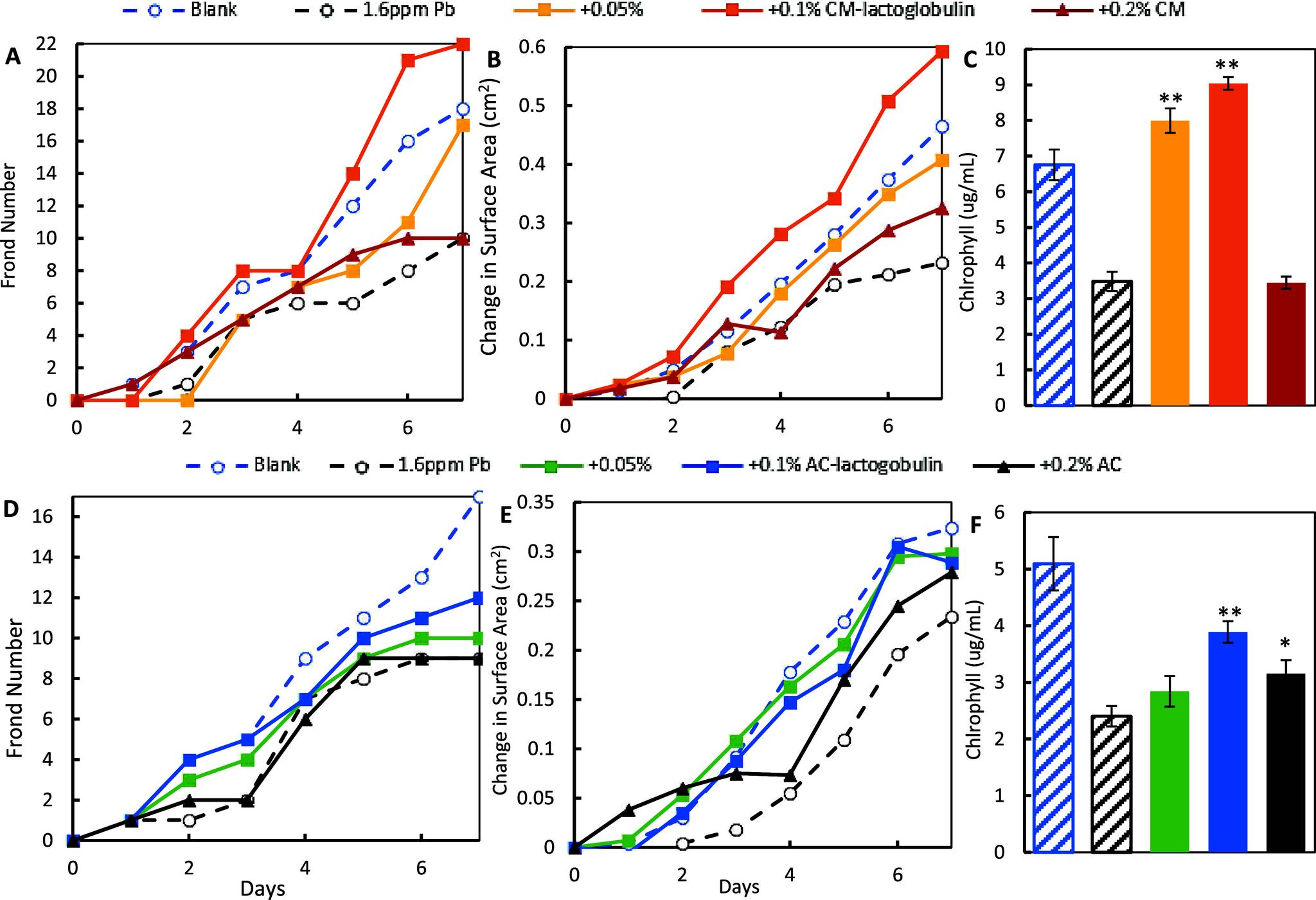
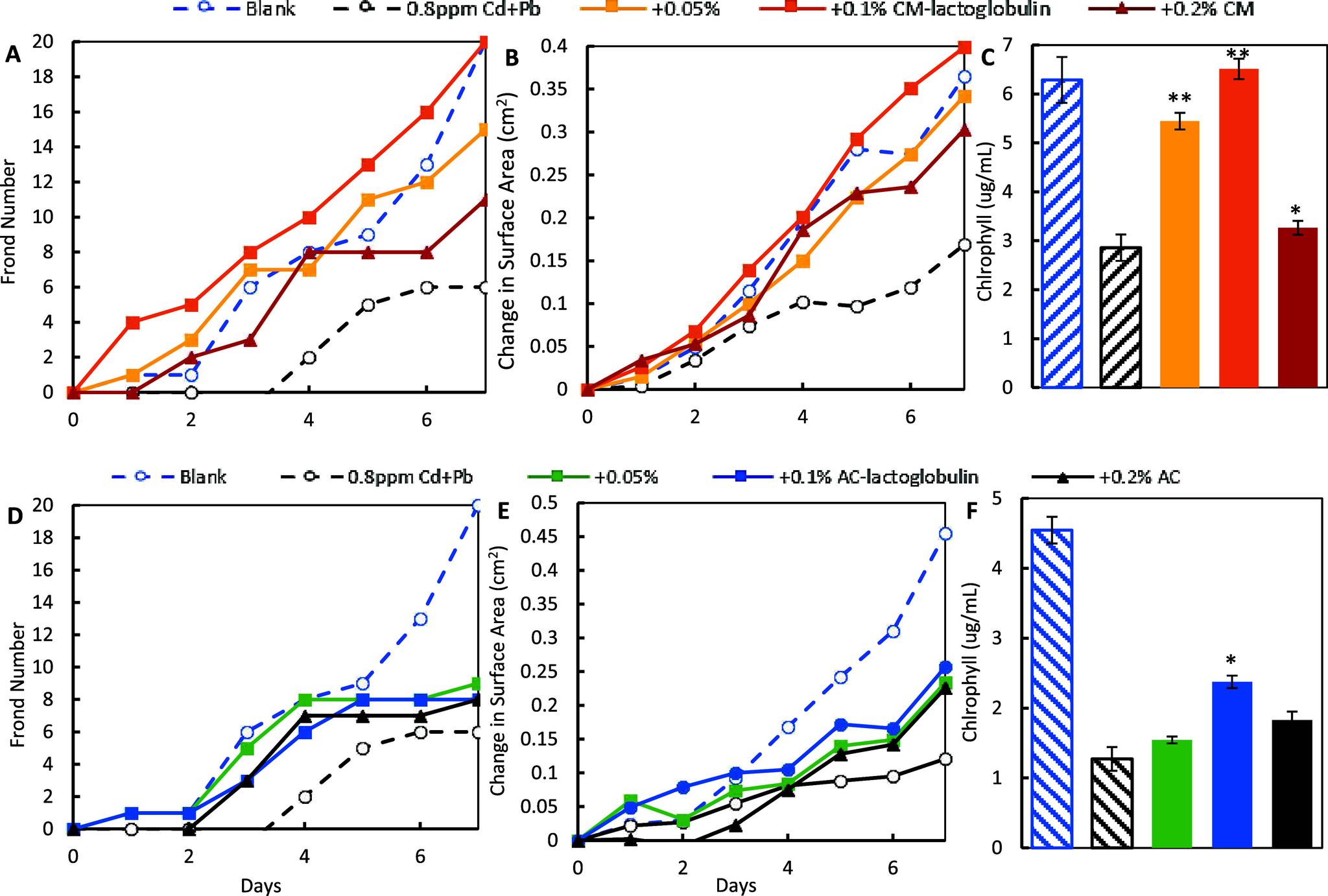
The removal of heavy metals from wastewater remains a challenge due to the limitations of current remediation methods. This study aims to develop multicomponent composites as inexpensive and environmentally friendly sorbents with enhanced capture of cadmium (Cd) and lead (Pb). The composites are based on calcium montmorillonite (CM) and activated carbon (AC) because of their proven effectiveness as sorbents for diverse toxins in environmental settings. In this study, we used a combination of computational and experimental methods to delineate that β-lactoglobulin enhances CM and AC binding and protection properties for Cd and Pb. Modeling and molecular dynamics simulations investigated the formation of material systems formed by CM and AC in complex with β-lactoglobulin and predicted their capacity to bind heavy metal ions at neutral pH conditions. Our simulations suggest that the enhanced binding properties of the material systems are attributed to the presence of several binding pockets formed by β-lactoglobulin for the two heavy metal ions. At neutral pH conditions, divalent Cd and Pb shared comparable binding propensities in all material systems, with the former being consistently higher than the latter. To validate the interactions depicted in simulations, two ecotoxicological models ( and ) were exposed to Cd, Pb, and a mixture of the two. The inclusion of CM-lactoglobulin (β-lactoglobulin amended CM) and AC-lactoglobulin (β-lactoglobulin amended AC) at 0.05-0.2% efficiently and dose-dependently reduced the severe toxicity of metals and increased the growth parameters. This high efficacy of protection shown in the ecotoxicological models may result from the numerous possible interaction pockets of the β-lactoglobulin-amended materials depicted in simulations. The ecotoxicological models support the agreement with computations. This study serves as a proof of concept on how computations in tandem with experiments can be used in the design of multicomponent clay- and carbon-based sorbent amended systems with augmented functionalities for particular toxins.
由于当前修复方法的局限性,从废水中去除重金属仍然是一项挑战。本研究旨在开发多组分复合材料,作为廉价且环保的吸附剂,以增强对镉(Cd)和铅(Pb)的捕获能力。这些复合材料基于钙蒙脱石(CM)和活性炭(AC),因为它们作为环境中多种毒素的吸附剂已被证明有效。在本研究中,我们结合计算和实验方法来阐明β-乳球蛋白增强了CM和AC对Cd和Pb的结合及保护特性。建模和分子动力学模拟研究了CM和AC与β-乳球蛋白形成的材料体系的形成,并预测了它们在中性pH条件下结合重金属离子的能力。我们的模拟表明,材料体系增强的结合特性归因于β-乳球蛋白为两种重金属离子形成的几个结合口袋的存在。在中性pH条件下,二价Cd和Pb在所有材料体系中具有相当的结合倾向,前者始终高于后者。为了验证模拟中描述的相互作用,将两种生态毒理学模型暴露于Cd、Pb以及两者的混合物中。加入0.05 - 0.2%的CM-乳球蛋白(β-乳球蛋白改性的CM)和AC-乳球蛋白(β-乳球蛋白改性的AC)可有效且剂量依赖性地降低金属的严重毒性,并增加生长参数。生态毒理学模型中显示的这种高保护功效可能源于模拟中描述的β-乳球蛋白改性材料的众多可能的相互作用口袋。生态毒理学模型支持与计算结果的一致性。本研究为如何将计算与实验相结合用于设计具有增强特定毒素功能的多组分粘土和碳基吸附剂改性系统提供了概念验证。

 Zotero 插件