
解析T细胞亚群:洞察其在免疫检查点抑制剂治疗中的作用
Unraveling Th subsets: insights into their role in immune checkpoint inhibitor therapy.
作者信息
Ryba-Stanisławowska Monika
机构信息
Department of Medical Immunology, Faculty of Medicine, Medical University of Gdańsk, Dębinki 1, Gdańsk, 80-211, Poland.
出版信息
Cell Oncol (Dordr). 2025 Apr;48(2):295-312. doi: 10.1007/s13402-024-00992-0. Epub 2024 Sep 26.
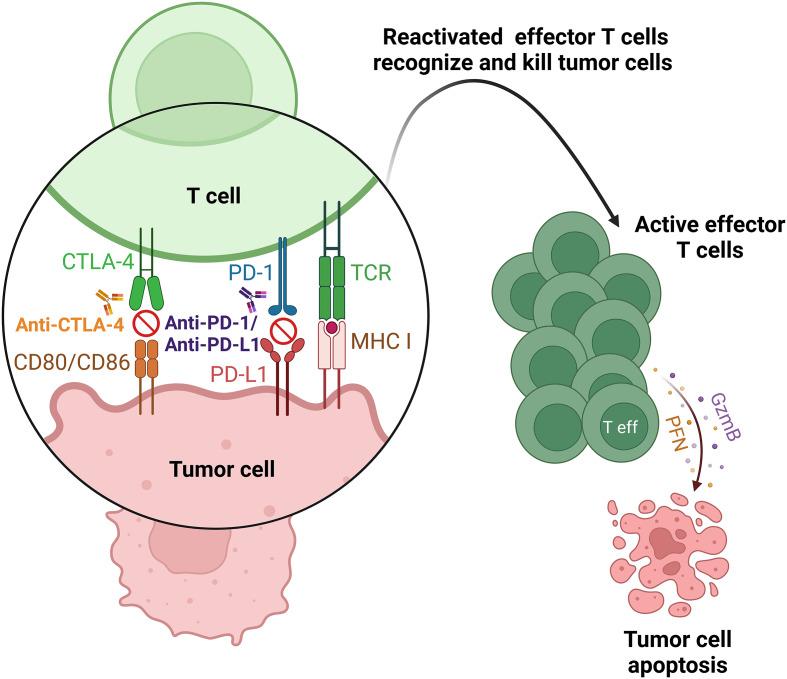
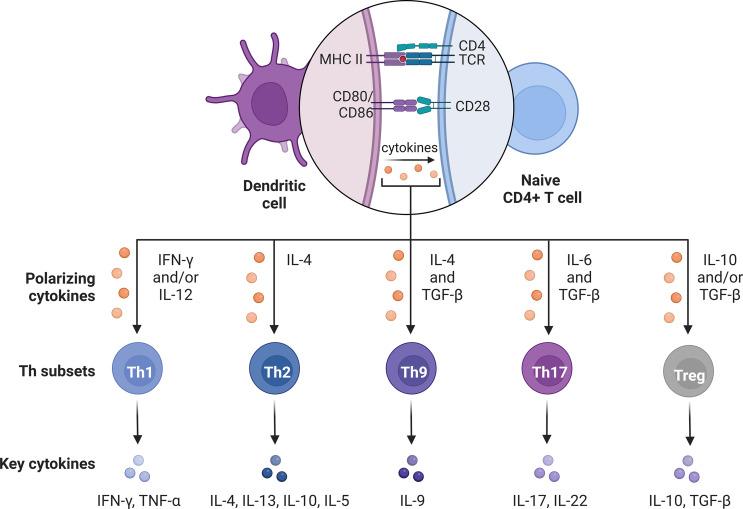
T helper (Th) cell subsets play pivotal roles in regulating immune responses within the tumor microenvironment, influencing both tumor progression and anti-tumor immunity. Among these subsets, Th1 cells promote cytotoxic responses through the production of IFN-γ, while Th2 cells and regulatory T cells (Tregs) exert immunosuppressive effects that support tumor growth. Th9 and Th17 cells have context-dependent roles, contributing to both pro-inflammatory and regulatory processes in tumor immunity. Tumor antigen-specific T cells within the tumor microenvironment often exhibit a dysfunctional phenotype due to increased expression of inhibitory receptors such as CTLA-4 and PD-1, leading to reduced antitumor activity. Monoclonal antibodies that block these inhibitory signals-collectively known as immune checkpoint inhibitors (ICIs)-can reactivate these T cells, enhancing their ability to target and destroy cancer cells. Recent advancements have highlighted the critical role of T helper subsets in modulating responses to ICIs, with their interactions remaining a focus of ongoing research. Both positive and negative effects of ICIs have been reported in relation to Th cell subsets, with some effects depending on the type of tumor microenvironment. This review summarizes the crucial roles of different T helper cell subsets in tumor immunity and their complex relationship with immune checkpoint inhibitor therapy.
辅助性T(Th)细胞亚群在调节肿瘤微环境中的免疫反应、影响肿瘤进展和抗肿瘤免疫方面发挥着关键作用。在这些亚群中,Th1细胞通过产生γ干扰素促进细胞毒性反应,而Th2细胞和调节性T细胞(Tregs)发挥免疫抑制作用,支持肿瘤生长。Th9细胞和Th17细胞具有依赖于环境的作用,在肿瘤免疫的促炎和调节过程中都发挥作用。肿瘤微环境中的肿瘤抗原特异性T细胞由于抑制性受体如CTLA-4和PD-1的表达增加,常常表现出功能失调的表型,导致抗肿瘤活性降低。阻断这些抑制信号的单克隆抗体——统称为免疫检查点抑制剂(ICIs)——可以重新激活这些T细胞,增强它们靶向和摧毁癌细胞的能力。最近的进展突出了辅助性T细胞亚群在调节对ICIs反应中的关键作用,它们之间的相互作用仍然是正在进行的研究重点。关于ICIs对Th细胞亚群的影响,既有正面报道,也有负面报道,其中一些影响取决于肿瘤微环境的类型。这篇综述总结了不同辅助性T细胞亚群在肿瘤免疫中的关键作用以及它们与免疫检查点抑制剂治疗的复杂关系。

 Zotero 插件