
肿瘤标本冷缺血时间影响分子癌症药物靶点发现。
Tumor specimen cold ischemia time impacts molecular cancer drug target discovery.
机构信息
Indivumed GmbH, Hamburg, Germany.
Department of Pathology, Hospital Universitari Arnau de Vilanova, Universitat de Lleida, IRBLLEIDA, Lleida, Spain.
出版信息
Cell Death Dis. 2024 Sep 26;15(9):691. doi: 10.1038/s41419-024-07090-x.
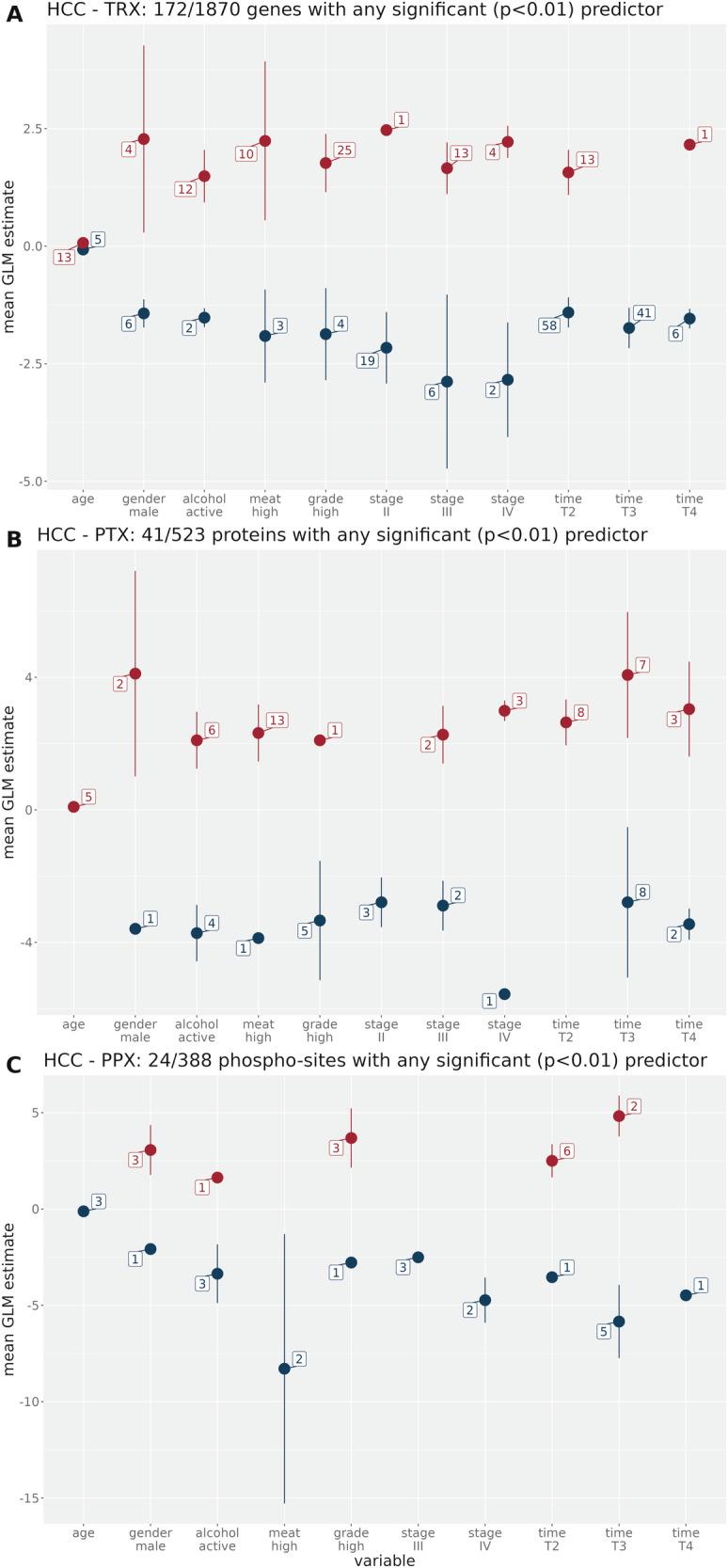
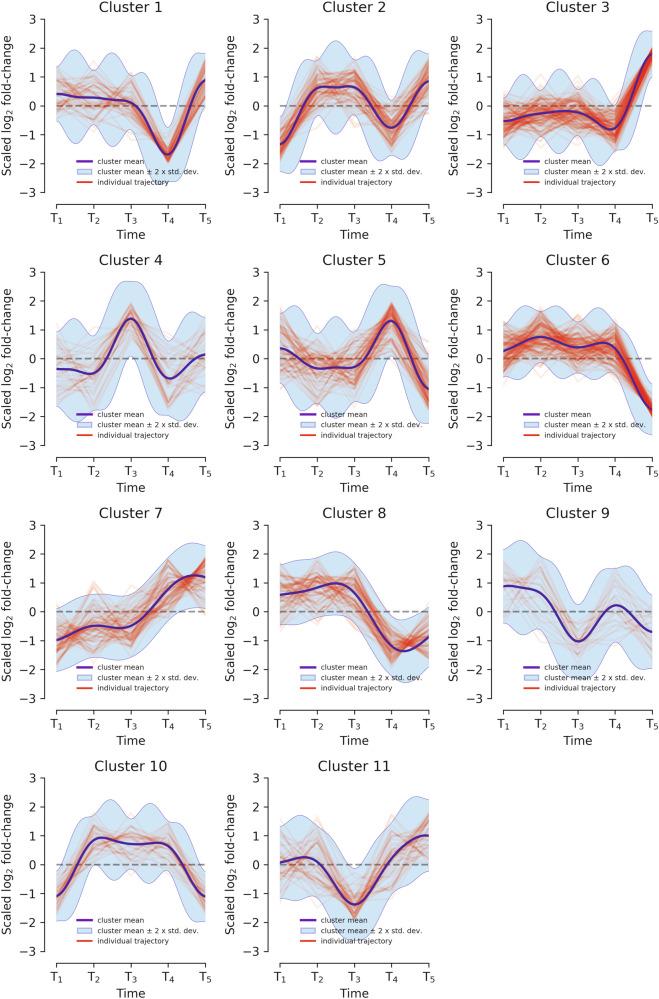
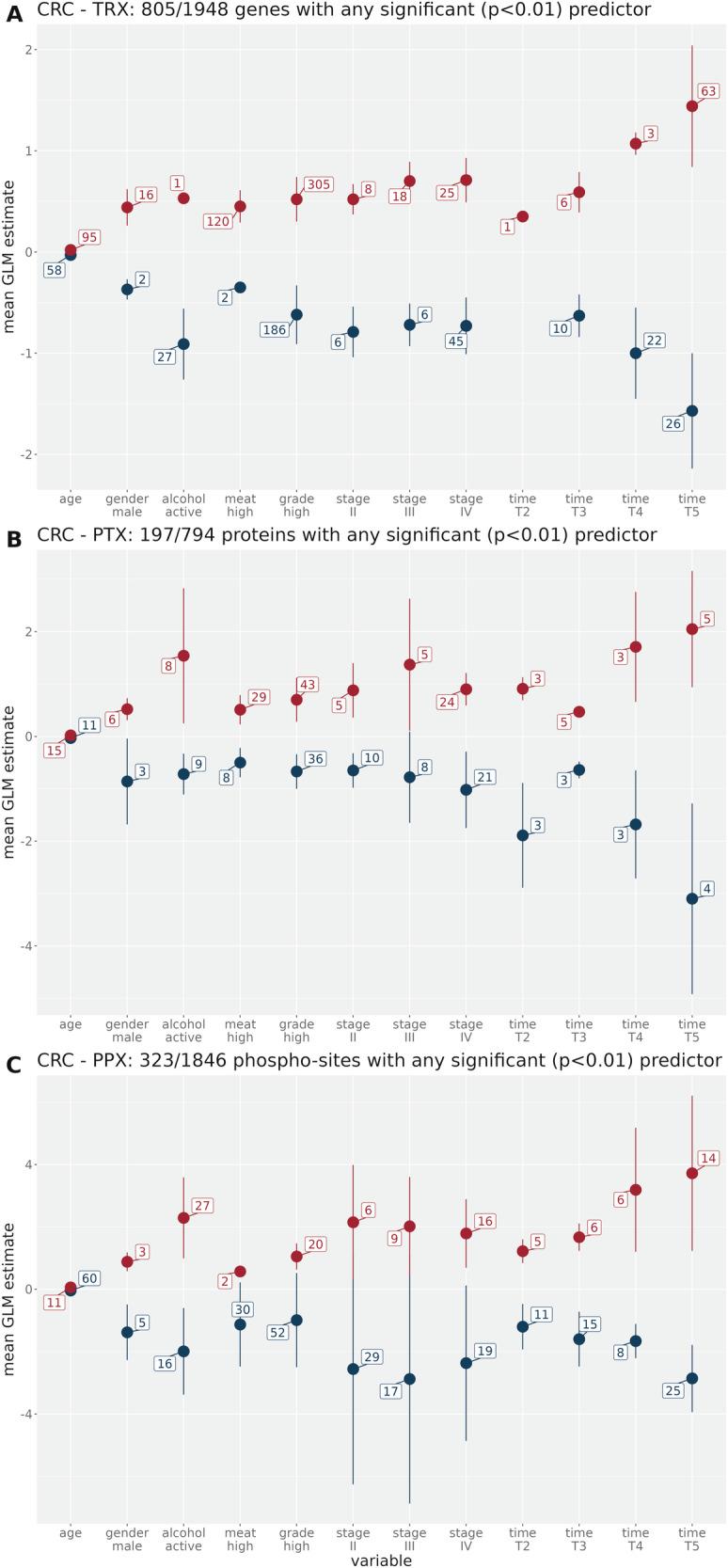
Tumor tissue collections are used to uncover pathways associated with disease outcomes that can also serve as targets for cancer treatment, ideally by comparing the molecular properties of cancer tissues to matching normal tissues. The quality of such collections determines the value of the data and information generated from their analyses including expression and modifications of nucleic acids and proteins. These biomolecules are dysregulated upon ischemia and decompose once the living cells start to decay into inanimate matter. Therefore, ischemia time before final tissue preservation is the most important determinant of the quality of a tissue collection. Here we show the impact of ischemia time on tumor and matching adjacent normal tissue samples for mRNAs in 1664, proteins in 1818, and phosphosites in 1800 cases (tumor and matching normal samples) of four solid tumor types (CRC, HCC, LUAD, and LUSC NSCLC subtypes). In CRC, ischemia times exceeding 15 min impacted 12.5% (mRNA), 25% (protein), and 50% (phosphosites) of differentially expressed molecules in tumor versus normal tissues. This hypoxia- and decay-induced dysregulation increased with longer ischemia times and was observed across tumor types. Interestingly, the proteomics analysis revealed that specimen ischemia time above 15 min is mostly associated with a dysregulation of proteins in the immune-response pathway and less so with metabolic processes. We conclude that ischemia time is a crucial quality parameter for tissue collections used for target discovery and validation in cancer research.
肿瘤组织收集用于揭示与疾病结果相关的途径,这些途径也可以作为癌症治疗的靶点,理想情况下是通过比较癌症组织和匹配的正常组织的分子特性来实现。这些收集物的质量决定了从其分析中生成的数据和信息的价值,包括核酸和蛋白质的表达和修饰。这些生物分子在缺血时失调,并在活细胞开始分解为无生命物质时分解。因此,在最终组织保存之前的缺血时间是组织收集质量的最重要决定因素。在这里,我们展示了缺血时间对四种实体瘤类型(CRC、HCC、LUAD 和 LUSC NSCLC 亚型)的 1664 个 mRNA、1818 个蛋白质和 1800 个磷酸化位点(肿瘤和匹配的正常样本)的影响。在 CRC 中,缺血时间超过 15 分钟会影响肿瘤与正常组织中差异表达分子的 12.5%(mRNA)、25%(蛋白质)和 50%(磷酸化位点)。这种缺氧和降解诱导的失调随着缺血时间的延长而增加,并在肿瘤类型中观察到。有趣的是,蛋白质组学分析表明,标本缺血时间超过 15 分钟主要与免疫反应途径中蛋白质的失调有关,而与代谢过程的失调关系较小。我们得出结论,缺血时间是癌症研究中用于靶标发现和验证的组织收集的一个关键质量参数。


 Zotero 插件