
订书肽:一种创新且终极的未来药物,提供一种极具强大效力的治疗选择。
Stapled Peptides: An Innovative and Ultimate Future Drug Offering a Highly Powerful and Potent Therapeutic Alternative.
作者信息
Kim Do-Hee, Kang Sung-Min
机构信息
Research Institute of Pharmaceutical Sciences, College of Pharmacy, Sookmyung Women's University, Seoul 04310, Republic of Korea.
College of Pharmacy, Duksung Women's University, Seoul 01369, Republic of Korea.
出版信息
Biomimetics (Basel). 2024 Sep 5;9(9):537. doi: 10.3390/biomimetics9090537.
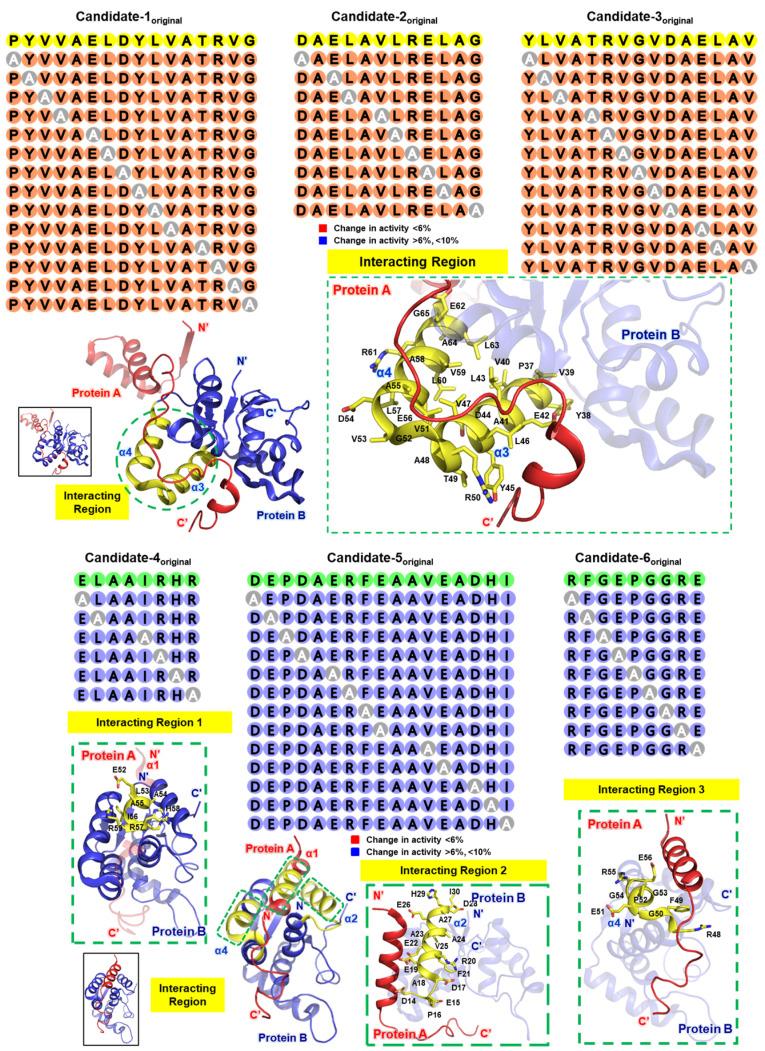
Peptide-based therapeutics have traditionally faced challenges, including instability in the bloodstream and limited cell membrane permeability. However, recent advancements in α-helix stapled peptide modification techniques have rekindled interest in their efficacy. Notably, these developments ensure a highly effective method for improving peptide stability and enhancing cell membrane penetration. Particularly in the realm of antimicrobial peptides (AMPs), the application of stapled peptide techniques has significantly increased peptide stability and has been successfully applied to many peptides. Furthermore, constraining the secondary structure of peptides has also been proven to enhance their biological activity. In this review, the entire process through which hydrocarbon-stapled antimicrobial peptides attain improved drug-like properties is examined. First, the essential secondary structural elements required for their activity as drugs are validated, specific residues are identified using alanine scanning, and stapling techniques are strategically incorporated at precise locations. Additionally, the mechanisms by which these structure-based stapled peptides function as AMPs are explored, providing a comprehensive and engaging discussion.
基于肽的治疗药物传统上面临着诸多挑战,包括在血流中的不稳定性以及有限的细胞膜通透性。然而,α-螺旋订书肽修饰技术的最新进展重新激发了人们对其疗效的兴趣。值得注意的是,这些进展确保了一种提高肽稳定性和增强细胞膜穿透性的高效方法。特别是在抗菌肽(AMPs)领域,订书肽技术的应用显著提高了肽的稳定性,并已成功应用于多种肽。此外,限制肽的二级结构也已被证明可增强其生物活性。在本综述中,研究了烃类订书抗菌肽获得类似药物性质的整个过程。首先,验证了其作为药物发挥活性所需的基本二级结构元件,通过丙氨酸扫描确定特定残基,并在精确位置战略性地引入订书技术。此外,还探讨了这些基于结构的订书肽作为抗菌肽发挥作用的机制,提供了全面且引人入胜的讨论。



 Zotero 插件