
衰弱、糖尿病和高血压之间的交集:社区老年病医生和药剂师在减药中的关键作用。
The Intersection between Frailty, Diabetes, and Hypertension: The Critical Role of Community Geriatricians and Pharmacists in Deprescribing.
作者信息
Dinarvand Daniel, Panthakey Johann, Heidari Amirmohammad, Hassan Ahmed, Ahmed Mohamed H
机构信息
Department of Medicine, Ashford and St. Peter's Hospital NHS Foundation Trust, Surrey KT16 0PZ, UK.
Department of Medicine, Royal Surrey County Hospital NHS Foundation Trust, Guildford GU2 7XX, UK.
出版信息
J Pers Med. 2024 Aug 30;14(9):924. doi: 10.3390/jpm14090924.
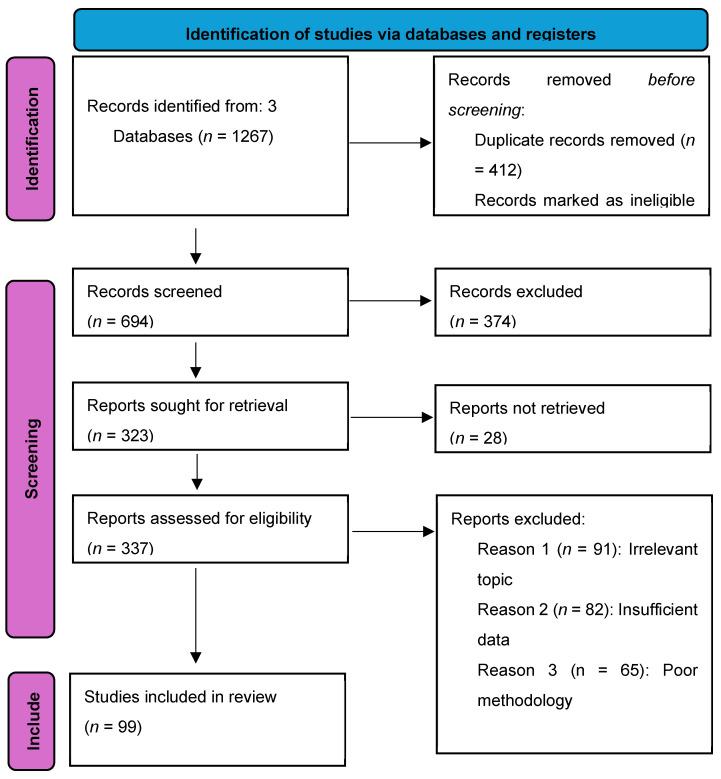
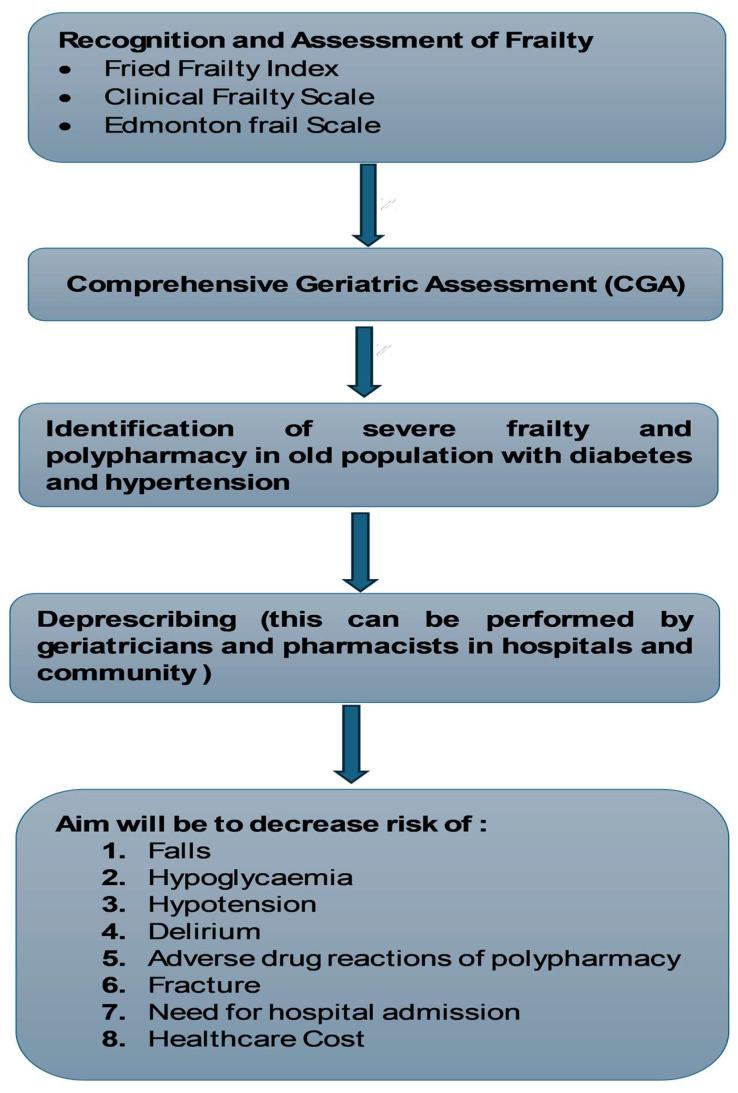
: Frailty is a clinical syndrome prevalent among the elderly, characterised by a decline in physiological reserves and increased susceptibility to stressors, resulting in higher morbidity and mortality. Diabetes and hypertension are common in frail older individuals, often leading to polypharmacy. In this narrative review, we aimed to evaluate the relationship between frailty, diabetes, and hypertension and to identify effective management strategies and future research directions. : This narrative review was conducted using the Scopus, Medline, PubMed, Cochrane Library, and Google Scholar databases. Frailty significantly impacts the management and prognosis of diabetes and hypertension, which, in turn, affects the progression of frailty. Managing these conditions often involves multiple drugs to achieve strict glycaemic control and blood pressure targets, leading to polypharmacy and associated morbidities, including orthostatic hypotension, falls, fractures, hypoglycaemia, and reduced medication adherence. Identifying frailty and implementing strategies like deprescribing can mitigate the adverse effects of polypharmacy and improve outcomes and quality of life. Despite the availability of effective tools for identifying frailty, many frail individuals continue to be exposed to complex treatment regimens for diabetes and hypertension, leading to increased hospital admissions, morbidity, and mortality. Managing diabetes and hypertension in the frail ageing population requires a multidisciplinary approach involving hospital and community geriatricians and pharmacists. This is important due to the lack of sufficient clinical trials dedicated to diabetes and hypertension in the context of frailty. Future large population studies are needed to assess the best approaches for managing diabetes and hypertension in frail individuals.
衰弱是一种在老年人中普遍存在的临床综合征,其特征是生理储备下降,对应激源的易感性增加,导致更高的发病率和死亡率。糖尿病和高血压在衰弱的老年人中很常见,常导致多重用药。在这篇叙述性综述中,我们旨在评估衰弱、糖尿病和高血压之间的关系,并确定有效的管理策略和未来的研究方向。
本叙述性综述使用Scopus、Medline、PubMed、Cochrane图书馆和谷歌学术数据库进行。衰弱对糖尿病和高血压的管理及预后有显著影响,而这反过来又会影响衰弱的进展。管理这些疾病通常需要多种药物来实现严格的血糖控制和血压目标,从而导致多重用药及相关疾病,包括体位性低血压、跌倒、骨折、低血糖和药物依从性降低。识别衰弱并实施减药等策略可以减轻多重用药的不良反应,改善治疗结果和生活质量。尽管有有效的工具可用于识别衰弱,但许多衰弱个体仍继续接受针对糖尿病和高血压的复杂治疗方案,导致住院率、发病率和死亡率增加。
在衰弱的老年人群中管理糖尿病和高血压需要一种多学科方法,涉及医院和社区老年病医生以及药剂师。由于缺乏专门针对衰弱背景下糖尿病和高血压的充分临床试验,这一点很重要。未来需要进行大规模人群研究,以评估在衰弱个体中管理糖尿病和高血压的最佳方法。

 Zotero 插件