
部分生物基及可生物降解的聚(对苯二甲酸丙二醇酯-共-己二酸酯)共聚物:合成、热性能及酶促降解行为
Partially Bio-Based and Biodegradable Poly(Propylene Terephthalate-Co-Adipate) Copolymers: Synthesis, Thermal Properties, and Enzymatic Degradation Behavior.
作者信息
Song Ping, Li Mingjun, Wang Haonan, Cheng Yi, Wei Zhiyong
机构信息
School of Materials Science and Engineering, North University of China, Taiyuan 030051, China.
Department of Polymer Science and Engineering, School of Chemical Engineering, Dalian University of Technology, Dalian 116024, China.
出版信息
Polymers (Basel). 2024 Sep 13;16(18):2588. doi: 10.3390/polym16182588.
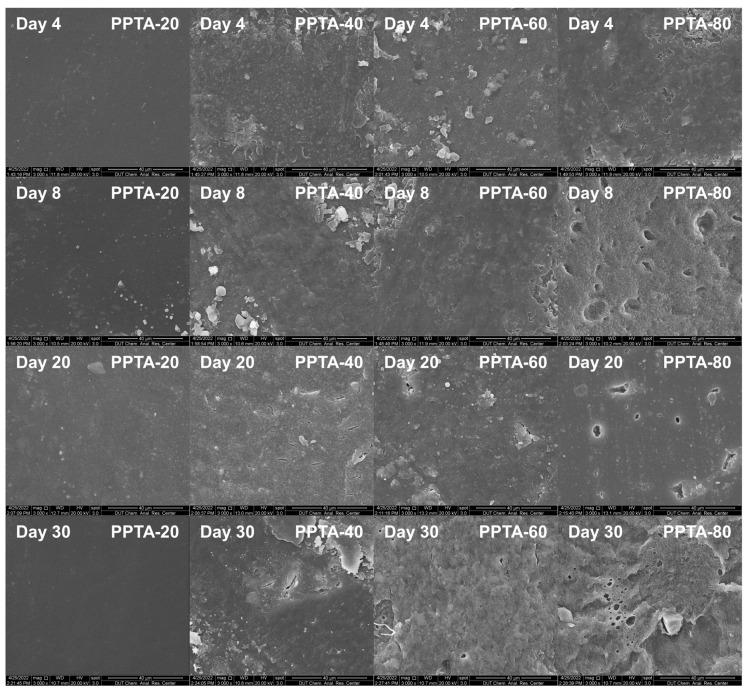
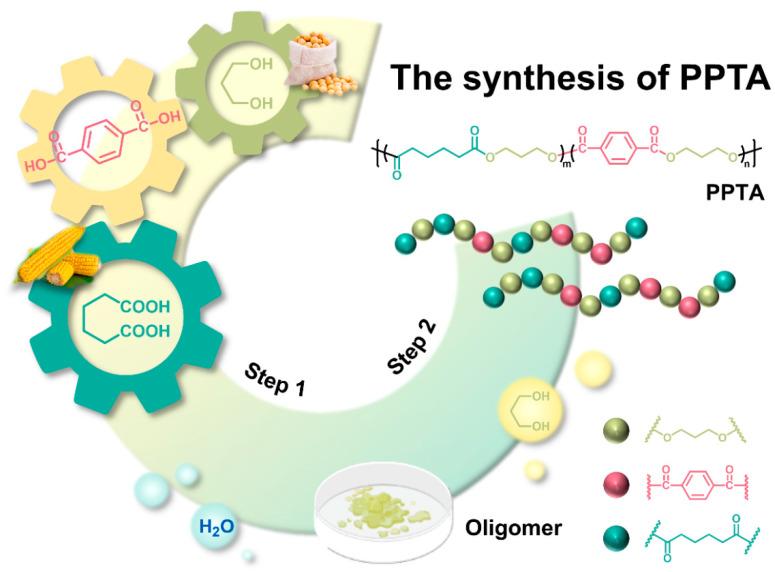
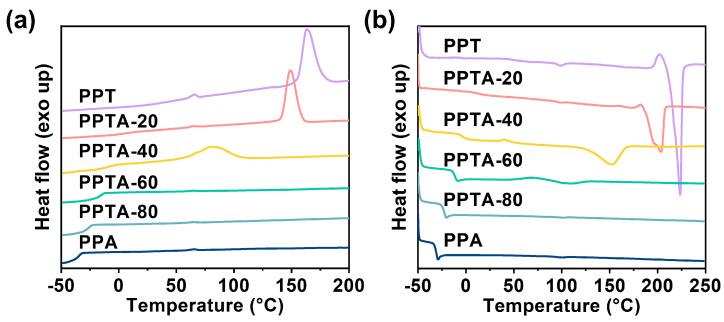
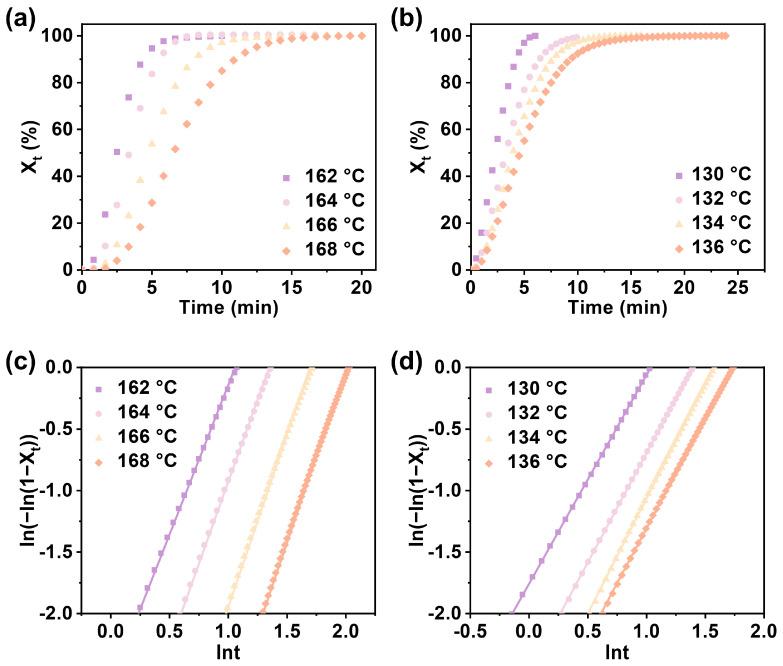
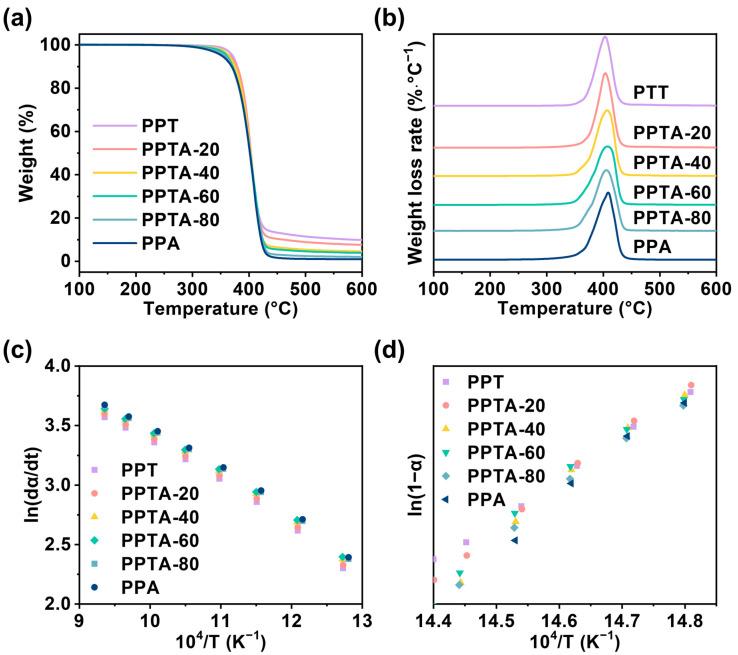
A series of partially bio-based and biodegradable poly(propylene terephthalate-co-adipate) (PPTA) random copolymers with different components were prepared by the melt polycondensation of petro-based adipic acid and terephthalic acid with bio-based 1,3-propanediol. The microstructure, crystallization behavior, thermal properties, and enzymatic degradation properties were further investigated. The thermal decomposition kinetics was deeply analyzed using Friedman's method, with the thermal degradation activation energy ranging from 297.8 to 302.1 kJ/mol. The crystallinity and wettability of the copolymers decreased with the increase in the content of the third unit, but they were lower than those of the homopolymer. The thermal degradation activation energy , carbon residue, and reaction level all showed a decreasing trend. Meanwhile, the initial thermal decomposition temperature () was higher than 350 °C, which can meet the requirements for processing and use. The PPTA copolymer material still showed excellent thermal stability. Adding PA units could regulate the crystallinity, wettability, and degradation rate of PPTA copolymers. The composition of PPTA copolymers in different degradation cycles was characterized by H NMR analysis. Further, the copolymers' surface morphology during the process of enzymatic degradation also was observed by scanning electron microscopy (SEM). The copolymers' enzymatic degradation accorded with the surface degradation mechanism. The copolymers showed significant degradation behavior within 30 days, and the rate increased with increasing PA content when the PA content exceeded 45.36%.
通过石油基己二酸和对苯二甲酸与生物基1,3 - 丙二醇的熔融缩聚反应,制备了一系列具有不同组分的部分生物基且可生物降解的聚(对苯二甲酸丙二醇酯 - 共 - 己二酸酯)(PPTA)无规共聚物。进一步研究了其微观结构、结晶行为、热性能和酶降解性能。采用Friedman方法深入分析了热分解动力学,热降解活化能范围为297.8至302.1 kJ/mol。共聚物的结晶度和润湿性随第三单元含量的增加而降低,但低于均聚物。热降解活化能、残炭和反应程度均呈下降趋势。同时,初始热分解温度高于350℃,能够满足加工和使用要求。PPTA共聚物材料仍表现出优异的热稳定性。添加PA单元可调节PPTA共聚物的结晶度、润湿性和降解速率。通过¹H NMR分析表征了不同降解循环中PPTA共聚物的组成。此外,还通过扫描电子显微镜(SEM)观察了酶降解过程中共聚物的表面形态。共聚物的酶降解符合表面降解机理。共聚物在30天内表现出显著的降解行为,当PA含量超过45.36%时,降解速率随PA含量的增加而提高。


 Zotero 插件