
肥胖症是否成为新的囊性纤维化治疗方法的问题?
Is Obesity a Problem in New Cystic Fibrosis Treatments?
机构信息
Servicio de Neumología, Hospital Universitario La Princesa, 28006 Madrid, Spain.
Instituto de Investigación Sanitaria del Principado de Asturias (ISPA), Universidad de Oviedo, 33011 Oviedo, Spain.
出版信息
Nutrients. 2024 Sep 14;16(18):3103. doi: 10.3390/nu16183103.
INTRODUCTION
Malnutrition has always been a problem in CF (cystic fibrosis) patients; however, new treatments with CFTR (cystic fibrosis transmembrane conductance regulator protein) modulators have led to weight gain, with some patients at risk of overweight and obesity.
OBJECTIVE
Our study aimed to analyze the evolution of BMI (body mass index) after one year of treatment with triple therapy and the factors associated with weight gain in CF patients undergoing treatment with triple therapy with CFTR protein modulators (ETI) (elexacaftor/tezacaftor/ivacaftor).
METHODS
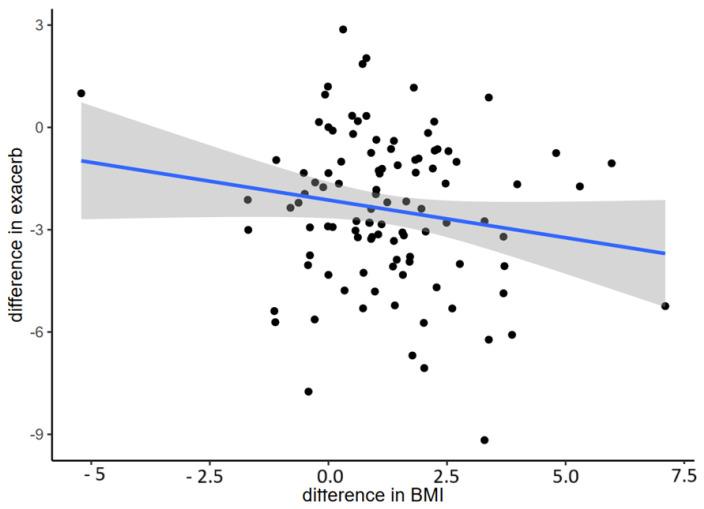
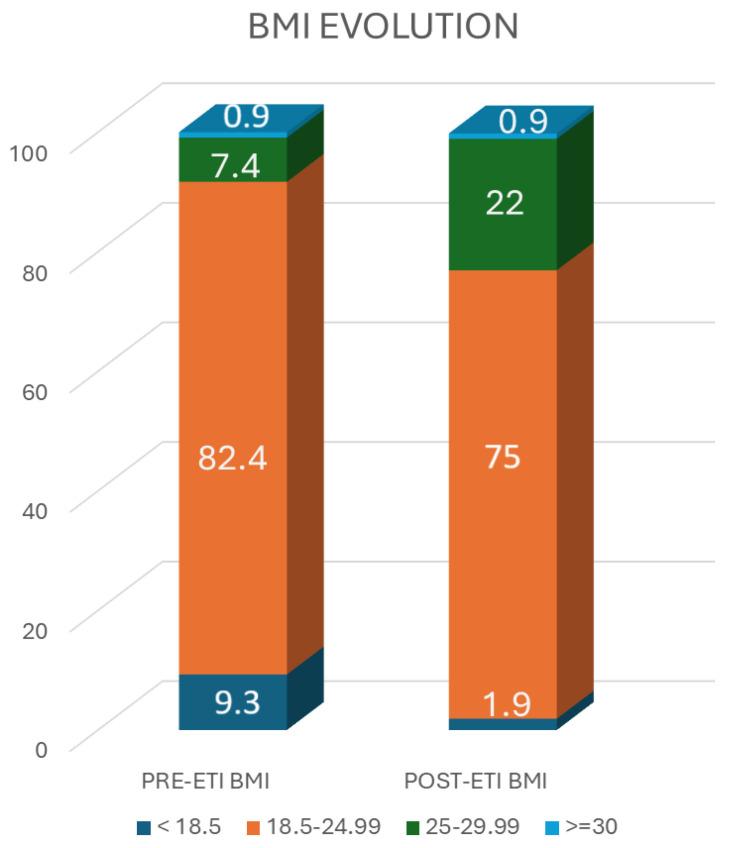
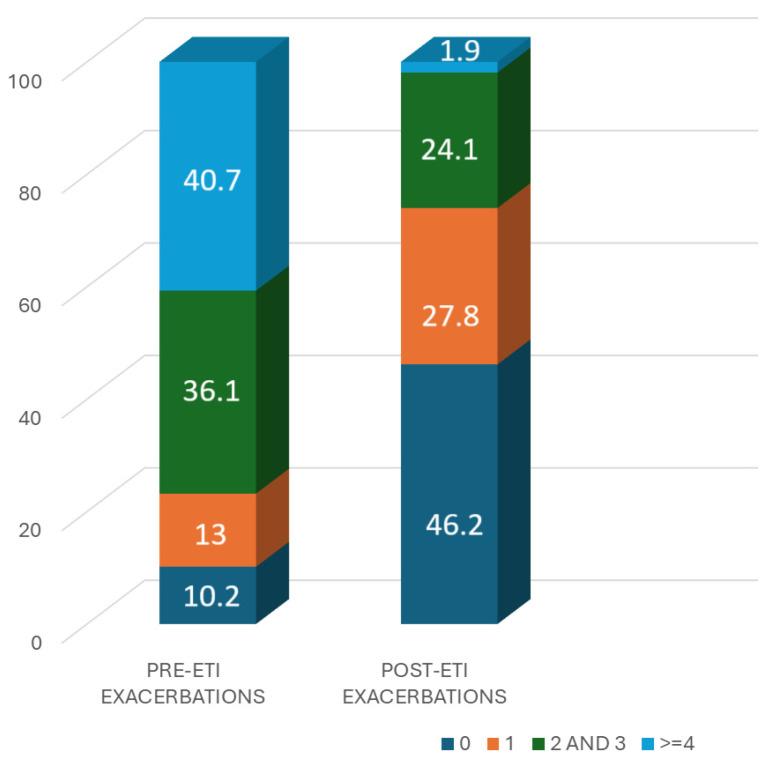
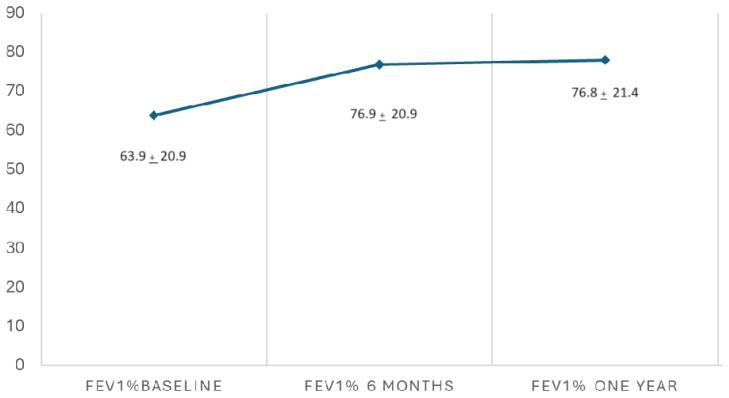
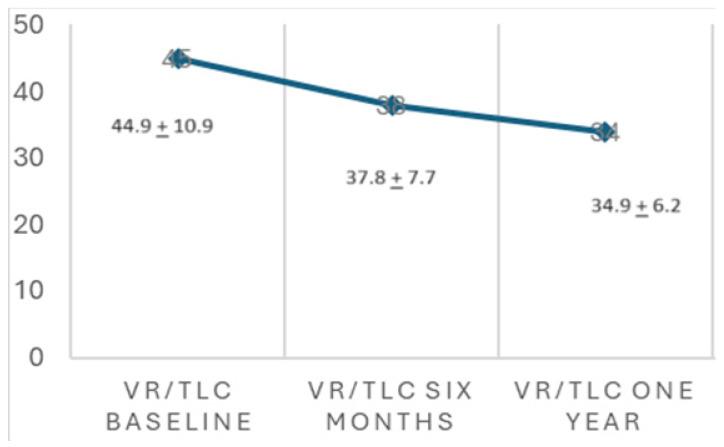
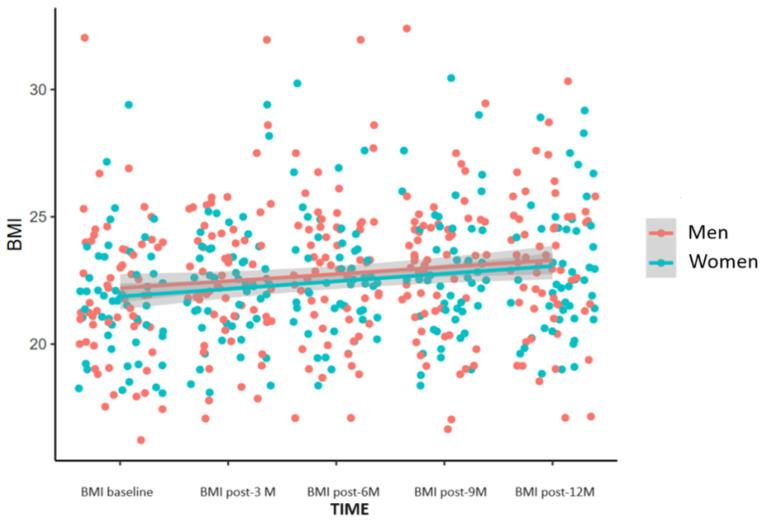
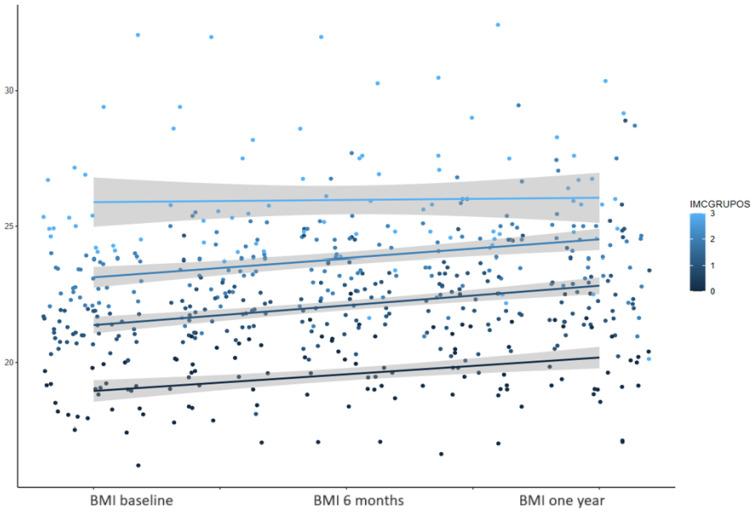
We conducted a prospective, observational, longitudinal, multicenter study in patients diagnosed with cystic fibrosis, aged 18 years or older, with at least one F508del allele and who underwent ETI therapy for at least one year, from 2020 to 2023. One hundred and eight patients from two cystic fibrosis units in Spain, Princess University Hospital of Madrid (74 patients) and Central University Hospital of Asturias (HUCA) (34 patients), were included. Demographic data, anthropometric data, lung function, and exacerbations were collected, comparing the data in the previous year to the start of therapy with the results after one year of treatment. Multivariant models were developed to account for repeated weight and BMI measurements, using a mixed effects model approach and accounting for possible modifying factors Results: One hundred and eight patients were included in the study, 58 men (53.7%) and 50 women (46.3%) with a mean age of 29.5 ± 9.4 years (18-59). Patient weight and BMI were recorded at baseline and at 3-month intervals during the study period. The weight increased from 59.6 kg to 62.6 kg and BMI increased from 21.9 kg/m to 23.0 kg/m after one year of treatment ( < 0.0001 for both). The proportion of underweight individuals decreased after one year of ETI therapy, from 9.3% to 1.9%, while the proportion of overweight or obese individuals increased from 8.3% to 22.9 % at the same time ( < 0.001). In relation to exacerbations, there is a significant increase in the number of patients who did not have any exacerbations after one year of treatment, which increased from 10.2% to 46.2% ( < 0.001), while the number of patients who had >4 exacerbations decreased significantly, from 40.7% to 1.9% ( < 0.001). FEV1% (forced expiratory volume) increased from 63.9 ± 20.9 to 76.8 ± 21.4 ( < 0.001) and the VR/TLC (residual volume/total lung capacity) value decreased from 45.1 ± 10.9 to 34.9 ± 6.2 ( < 0.001). The proportion with FEV1% > 80% increased from 23.1% before ETI therapy to 49.1% one year after ETI therapy. We performed multivariate mixed models to evaluate the evolution of BMI changes with time, accounting for repeated measures and for possible modifying factors. After the introduction of the triple therapy, patients included in the study had significant weight gain during the 12 months, and when including different covariates in the multivariate mixed model, we found that lower baseline BMI, lower baseline FEV1 and FVC (forced vital capacity), and higher VR/TLC value and higher number of exacerbations were associated with higher BMI changes over the study period.
CONCLUSIONS
CF patients treated with triple therapy experience significant weight gain, increasing the proportion of overweight patients. CF patients who experienced greater weight gain were those with worse BMI at the start of treatment, as well as patients with worse lung function and a greater number of exacerbations in the year before starting ETI therapy.
简介
营养不良一直是 CF(囊性纤维化)患者的问题;然而,新型 CFTR(囊性纤维化跨膜电导调节蛋白)调节剂治疗方法导致体重增加,一些患者有超重和肥胖的风险。
目的
我们的研究旨在分析接受三联疗法治疗一年后 BMI(体重指数)的变化,并分析与接受 CFTR 蛋白调节剂三联疗法(ETI)(依伐卡托/泰卡那托/ivacaftor)治疗的 CF 患者体重增加相关的因素。
方法
我们进行了一项前瞻性、观察性、纵向、多中心研究,纳入了 2020 年至 2023 年期间至少携带一个 F508del 等位基因且接受 ETI 治疗至少一年的 18 岁及以上的囊性纤维化患者。共纳入来自西班牙马德里公主大学医院(74 例)和阿斯图里亚斯中央大学医院(HUCA)(34 例)的 108 例囊性纤维化患者。收集人口统计学数据、人体测量学数据、肺功能和加重情况,将前一年的数据与治疗开始后一年的结果进行比较。使用混合效应模型方法开发多变量模型,以解释重复的体重和 BMI 测量,并考虑可能的修正因素。
结果
本研究共纳入 108 例患者,男性 58 例(53.7%),女性 50 例(46.3%),平均年龄 29.5 ± 9.4 岁(18-59 岁)。患者体重和 BMI 在基线时和研究期间每 3 个月记录一次。体重从 59.6kg 增加到 62.6kg,BMI 从 21.9kg/m 增加到 23.0kg/m,治疗一年后均有显著增加(<0.0001)。在接受 ETI 治疗一年后,体重不足的患者比例从 9.3%下降到 1.9%,而超重或肥胖患者的比例从 8.3%上升到 22.9%(<0.001)。与加重情况相关的是,治疗一年后无加重的患者比例显著增加,从 10.2%增加到 46.2%(<0.001),而加重>4 次的患者比例显著下降,从 40.7%下降到 1.9%(<0.001)。FEV1%(用力呼气量)从 63.9 ± 20.9 增加到 76.8 ± 21.4(<0.001),VR/TLC(残气量/总肺容量)值从 45.1 ± 10.9 降低到 34.9 ± 6.2(<0.001)。FEV1%>80%的患者比例从 ETI 治疗前的 23.1%增加到治疗一年后的 49.1%。我们进行了多元混合模型分析,以评估 BMI 随时间的变化情况,同时考虑重复测量和可能的修正因素。在引入三联疗法后,研究纳入的患者在 12 个月内体重显著增加,在多元混合模型中纳入不同的协变量后,我们发现基线 BMI 较低、基线 FEV1 和 FVC(用力肺活量)较低、VR/TLC 值较高、治疗前一年加重次数较多的患者,与研究期间 BMI 变化较大相关。
结论
接受三联疗法治疗的 CF 患者体重显著增加,超重患者的比例增加。体重增加较多的 CF 患者是治疗开始时 BMI 较差的患者,以及肺功能较差和治疗前一年加重次数较多的患者。


 Zotero 插件