
N-甲基-4-氯苯氧乙酰基羟肟酸的核酸结合亲和力和抗氧化活性。
Nucleic acid binding affinity and antioxidant activity of N-m-Tolyl-4-Chlorophenoxyacetohydroxamicacid.
机构信息
School of Studies in Chemistry, Pt. Ravishankar Shukla University, Raipur-492010, Chhattisgarh, Raipur, India.
Department of Chemistry, Smt. S. S. Patel Nootan Science and Commerce College, Sankalchand Patel University, Visnagar, 384315, Gujarat, India.
出版信息
Sci Rep. 2024 Sep 28;14(1):22465. doi: 10.1038/s41598-024-72477-x.
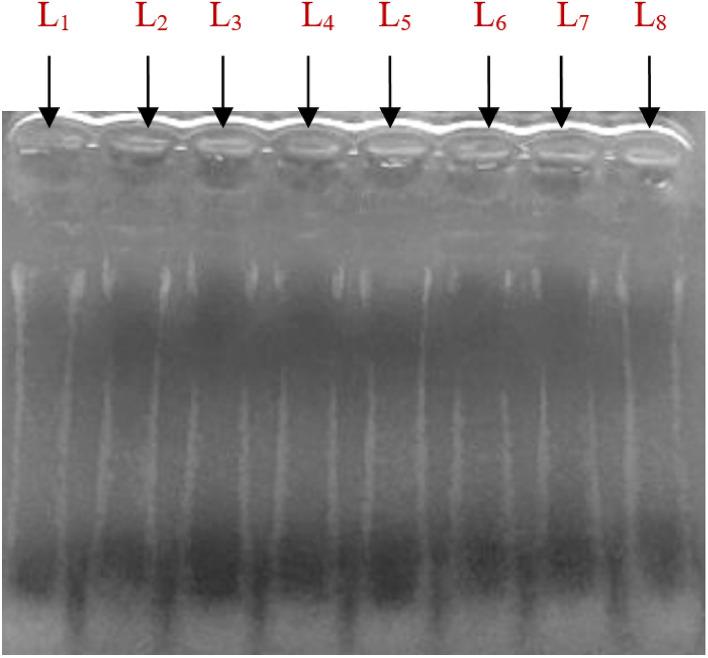
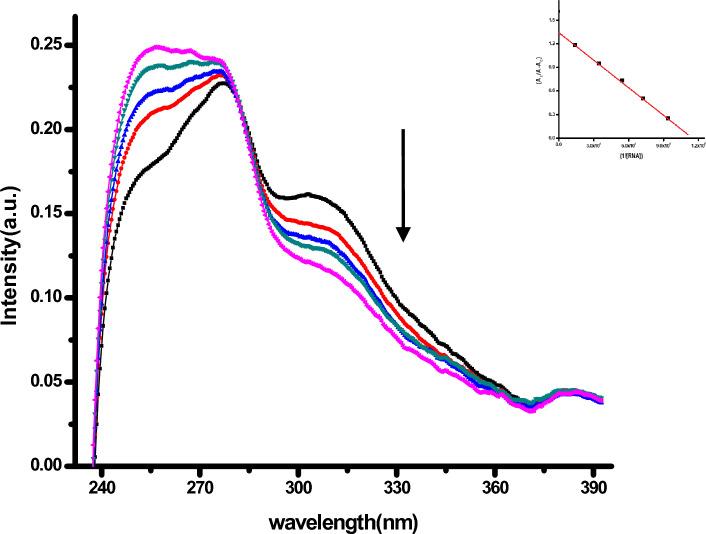
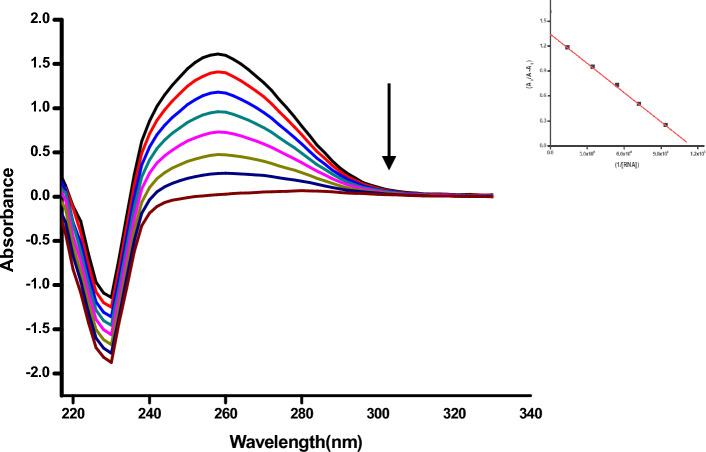
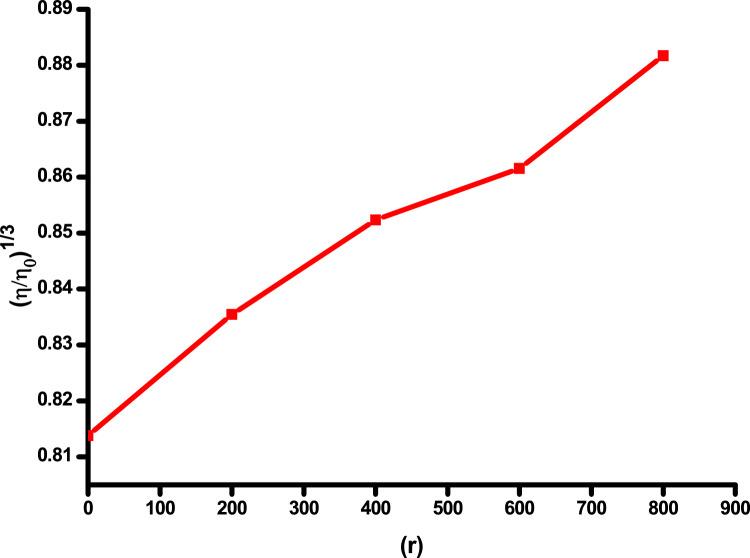
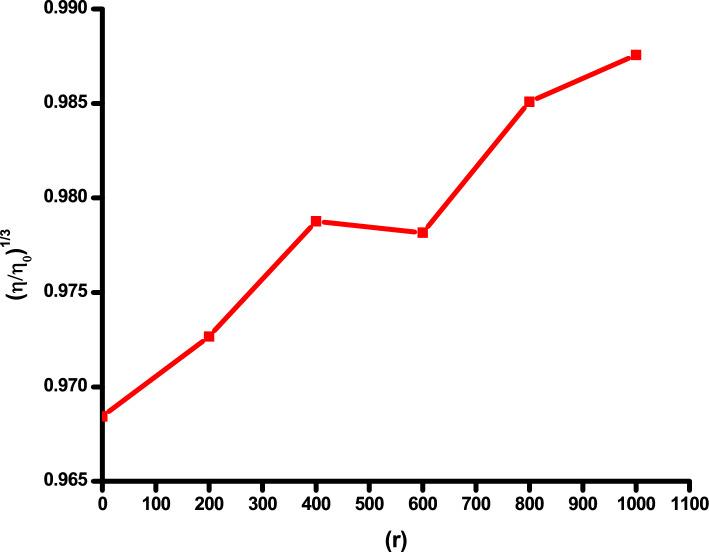
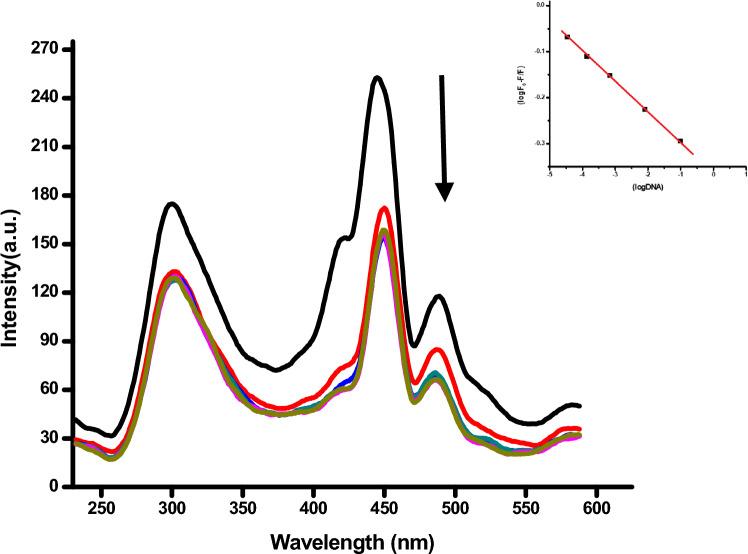
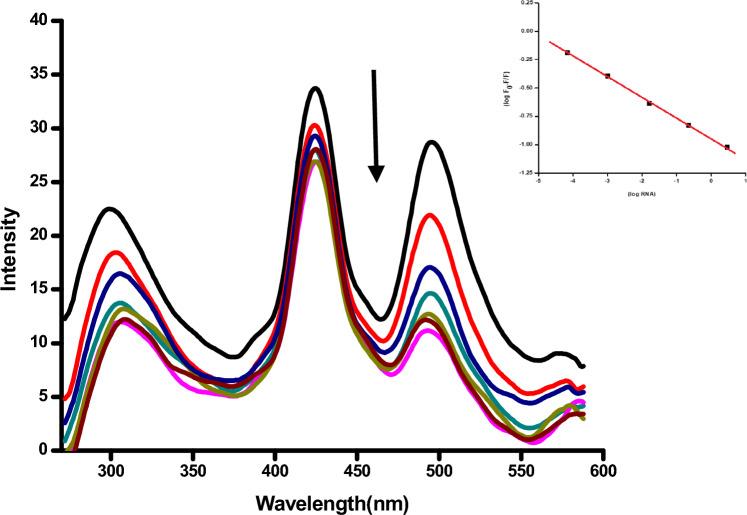
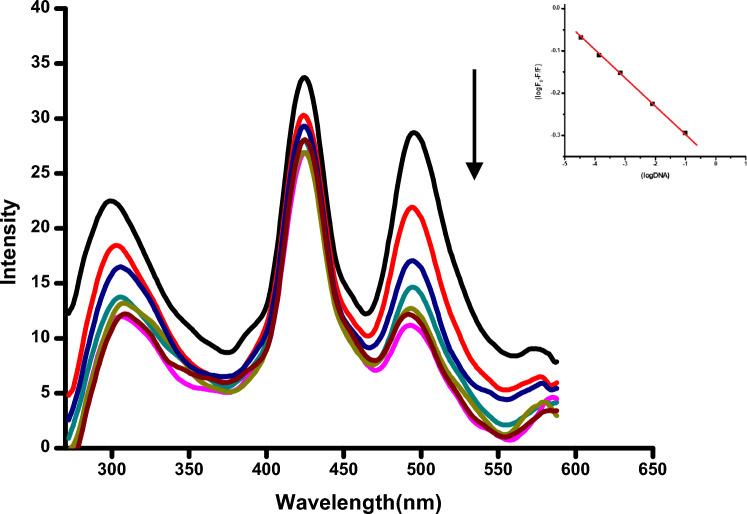
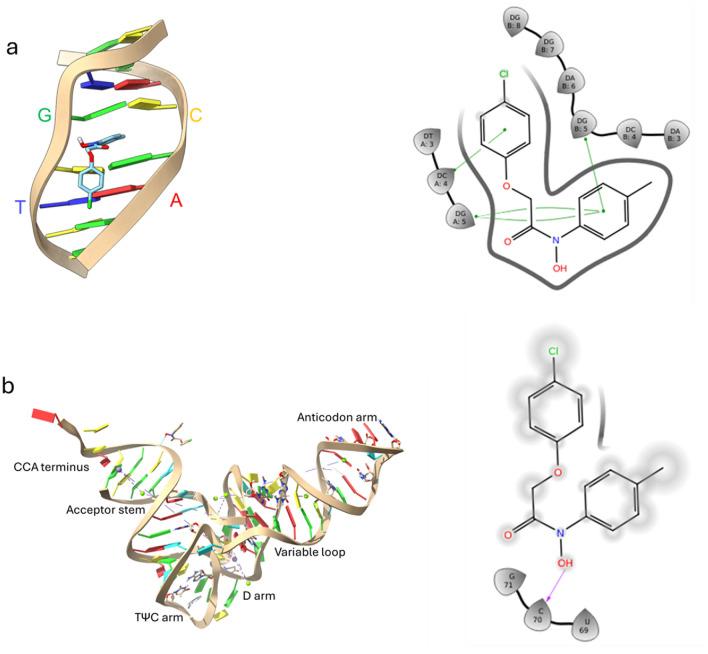
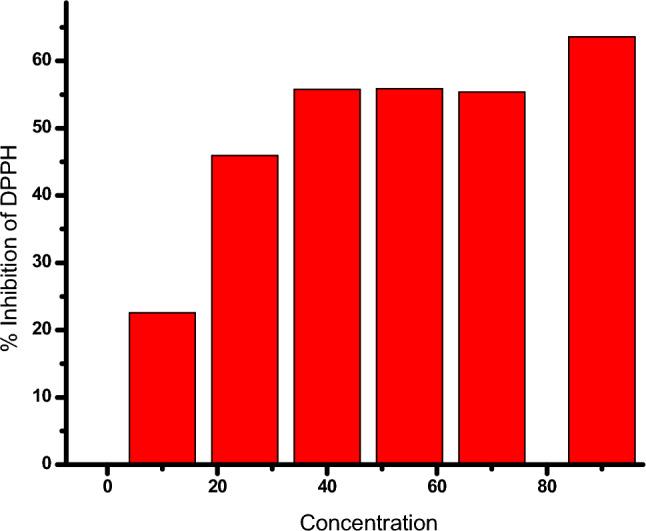
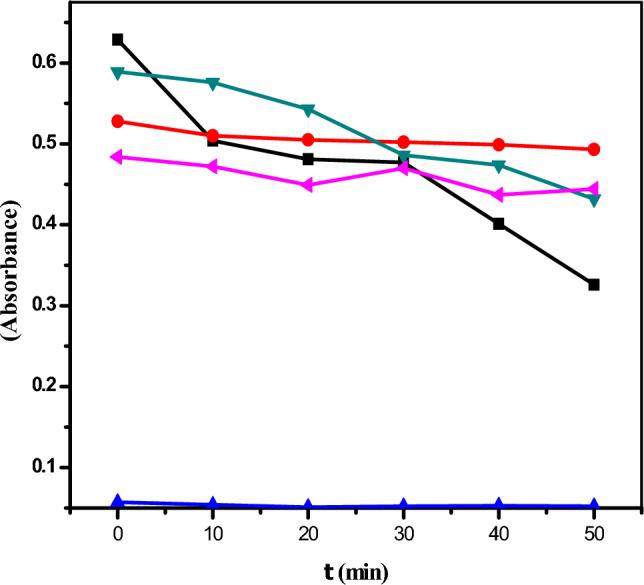
Hydroxamic acids represent a group of weak organic acids, both naturally occurring and synthetically derived, characterized by the general formula RC(= O)N(R'OH). In this study, we investigated the binding behavior of N-m-tolyl-4-chlorophenoxyaceto hydroxamic acid with calf thymus DNA (ct-DNA) and torula yeast RNA (t-RNA) through a combination of techniques including UV-visible spectroscopy, fluorescence emission analysis, viscometry, and computational simulations using AutoDock4 software. Our findings reveal that the mode of binding between the compound and the nucleic acids is consistent with intercalation. Competitive binding experiments demonstrated that the complex competes effectively with ethidium bromide (EB) for binding to ct-DNA/t-RNA, displacing EB from its binding sites. Additionally, the introduction of the compound into the DNA-EB system resulted in a quenching of fluorescence emission peaks. Analysis of absorption spectra indicated a red shift and hypochromic shift when the compound interacted with DNA, further supporting the intercalative binding mode. The calculated binding constant (K) value for the compound is 6.62 × 10 M and 5.40 × 10 M indicating a strong interaction with ct-DNA and t-RNA respectively. We determined the Stern-Volmer constants for ct-DNA and t-RNA as 9.96 × 10 M and 8.13 × 10 M, respectively. The binding free energy values for ct-DNA/t-RNA were calculated to be - 3.741 × 10 and - 5.425 × 10 kcal/mol, respectively. Viscometric studies corroborated the UV results, showing a continuous increase in relative viscosity of ct-DNA/t-RNA solutions with the addition of the optimal hydroxamic acid concentration. Furthermore, we assessed the antioxidant activity of the compound using DPPH-radical scavenging and β-carotene linoleic acid assays. Gel electrophoresis results demonstrated the compound's remarkable efficacy in preventing DNA damage. Collectively, all experimental evidence supports the conclusion that N-m-tolyl-4-chlorophenoxyaceto hydroxamic acid binds to ct-DNA/t-RNA through an intercalative mechanism, which is consistent with our molecular docking simulations.
羟肟酸是一组弱有机酸,包括天然存在和人工合成的,其通式为 RC(=O)N(R'OH)。在这项研究中,我们通过结合紫外可见光谱、荧光发射分析、粘度和使用 AutoDock4 软件的计算模拟等技术,研究了 N-间甲苯-4-氯苯氧乙酰羟肟酸与小牛胸腺 DNA(ct-DNA)和啤酒酵母 RNA(t-RNA)的结合行为。我们的研究结果表明,该化合物与核酸的结合模式是符合嵌入的。竞争性结合实验表明,该配合物能有效地与溴化乙锭(EB)竞争与 ct-DNA/t-RNA 的结合,从其结合部位置换 EB。此外,该化合物的引入使 DNA-EB 体系的荧光发射峰发生猝灭。吸收光谱分析表明,当化合物与 DNA 相互作用时,会出现红移和减色效应,进一步支持嵌入结合模式。该化合物与 ct-DNA 和 t-RNA 的结合常数(K)值分别为 6.62×10^M 和 5.40×10^M,表明与 ct-DNA 和 t-RNA 具有很强的相互作用。我们确定了 ct-DNA 和 t-RNA 的 Stern-Volmer 常数分别为 9.96×10^M 和 8.13×10^M。ct-DNA/t-RNA 的结合自由能值分别计算为-3.741×10^和-5.425×10^kcal/mol。粘度研究结果与紫外结果一致,表明随着最佳羟肟酸浓度的加入,ct-DNA/t-RNA 溶液的相对粘度持续增加。此外,我们使用 DPPH 自由基清除和β-胡萝卜素亚油酸测定法评估了该化合物的抗氧化活性。凝胶电泳结果表明,该化合物在防止 DNA 损伤方面具有显著的功效。综上所述,所有实验证据都支持 N-间甲苯-4-氯苯氧乙酰羟肟酸通过嵌入机制与 ct-DNA/t-RNA 结合的结论,这与我们的分子对接模拟结果一致。

 Zotero 插件