
用于抗癌药物递送的氧化还原操纵纳米载体:系统评价。
Redox-manipulating nanocarriers for anticancer drug delivery: a systematic review.
机构信息
College of Biotechnology, Tianjin Key Laboratory of Industrial Microbiology, Tianjin University of Science & Technology, No.29 of 13th Street, TEDA, Tianjin, 300457, P.R. China.
School of Pharmaceutical Science & Technology, Tianjin Key Laboratory for Modern Drug Delivery & High Efficiency, Collaborative Innovation Center of Chemical Science and Engineering (Tianjin), Tianjin University, 92 Weijin Road, Nankai District, Tianjin, 300072, China.
出版信息
J Nanobiotechnology. 2024 Sep 28;22(1):587. doi: 10.1186/s12951-024-02859-w.
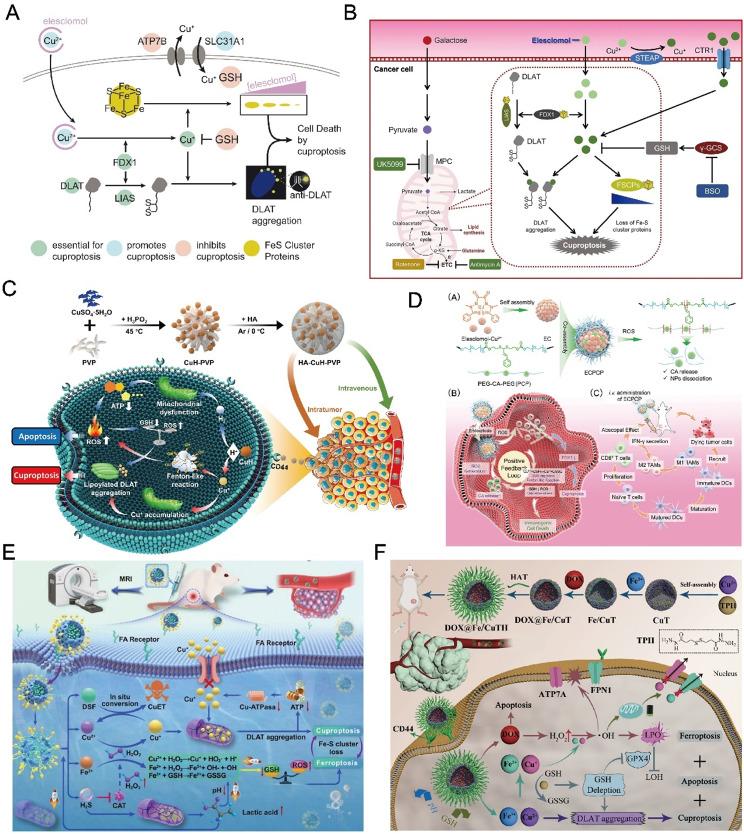
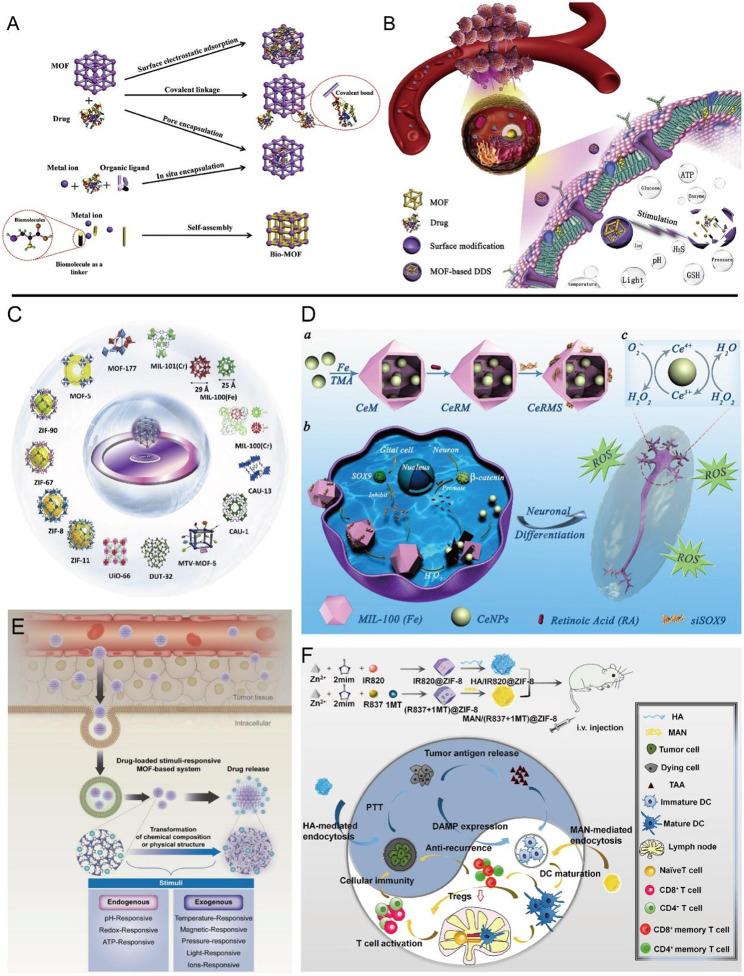
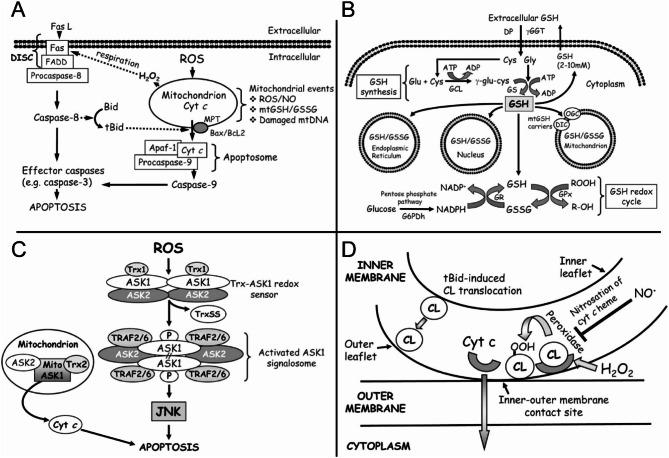
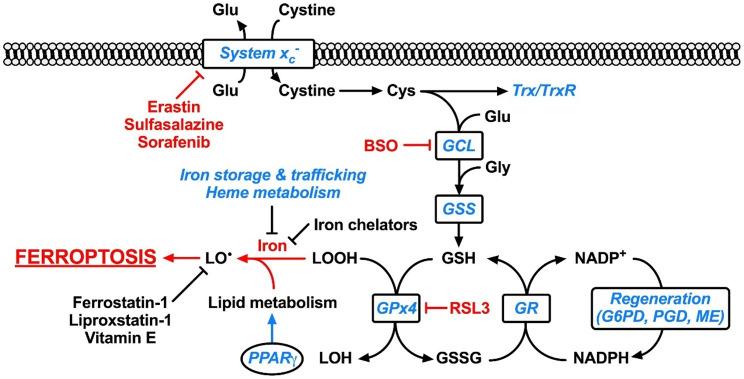
Spatiotemporally controlled cargo release is a key advantage of nanocarriers in anti-tumor therapy. Various external or internal stimuli-responsive nanomedicines have been reported for their ability to increase drug levels at the diseased site and enhance therapeutic efficacy through a triggered release mechanism. Redox-manipulating nanocarriers, by exploiting the redox imbalances in tumor tissues, can achieve precise drug release, enhancing therapeutic efficacy while minimizing damage to healthy cells. As a typical redox-sensitive bond, the disulfide bond is considered a promising tool for designing tumor-specific, stimulus-responsive drug delivery systems (DDS). The intracellular redox imbalance caused by tumor microenvironment (TME) regulation has emerged as an appealing therapeutic target for cancer treatment. Sustained glutathione (GSH) depletion in the TME by redox-manipulating nanocarriers can exacerbate oxidative stress through the exchange of disulfide-thiol bonds, thereby enhancing the efficacy of ROS-based cancer therapy. Intriguingly, GSH depletion is simultaneously associated with glutathione peroxidase 4 (GPX4) inhibition and dihydrolipoamide S-acetyltransferase (DLAT) oligomerization, triggering mechanisms such as ferroptosis and cuproptosis, which increase the sensitivity of tumor cells. Hence, in this review, we present a comprehensive summary of the advances in disulfide based redox-manipulating nanocarriers for anticancer drug delivery and provide an overview of some representative achievements for combinational therapy and theragnostic. The high concentration of GSH in the TME enables the engineering of redox-responsive nanocarriers for GSH-triggered on-demand drug delivery, which relies on the thiol-disulfide exchange reaction between GSH and disulfide-containing vehicles. Conversely, redox-manipulating nanocarriers can deplete GSH, thereby enhancing the efficacy of ROS-based treatment nanoplatforms. In brief, we summarize the up-to-date developments of the redox-manipulating nanocarriers for cancer therapy based on DDS and provide viewpoints for the establishment of more stringent anti-tumor nanoplatform.
时空控制的货物释放是纳米载体在抗肿瘤治疗中的一个关键优势。各种外部或内部刺激响应型纳米药物已被报道,因为它们能够通过触发释放机制增加病变部位的药物水平并提高治疗效果。通过利用肿瘤组织中的氧化还原失衡,氧化还原操纵纳米载体可以实现精确的药物释放,提高治疗效果,同时最大限度地减少对健康细胞的损伤。作为一种典型的氧化还原敏感键,二硫键被认为是设计肿瘤特异性、刺激响应性药物传递系统(DDS)的有前途的工具。肿瘤微环境(TME)调节引起的细胞内氧化还原失衡已成为癌症治疗的一个有吸引力的治疗靶点。通过氧化还原操纵纳米载体在 TME 中持续耗竭谷胱甘肽(GSH),可以通过交换二硫键-巯基键来加剧氧化应激,从而增强基于 ROS 的癌症治疗的疗效。有趣的是,GSH 的耗竭同时与谷胱甘肽过氧化物酶 4(GPX4)的抑制和二氢硫辛酰胺 S-乙酰转移酶(DLAT)的寡聚化相关联,触发铁死亡和铜死亡等机制,从而增加肿瘤细胞的敏感性。因此,在本综述中,我们全面总结了基于二硫键的氧化还原操纵纳米载体在抗癌药物传递中的进展,并提供了一些代表性的联合治疗和诊断学成就的概述。TME 中 GSH 的高浓度使得能够为 GSH 触发的按需药物递送工程设计氧化还原响应型纳米载体,这依赖于 GSH 与含二硫键的载体之间的硫醇-二硫键交换反应。相反,氧化还原操纵纳米载体可以耗尽 GSH,从而增强基于 ROS 的治疗纳米平台的疗效。简而言之,我们总结了基于 DDS 的癌症治疗的氧化还原操纵纳米载体的最新进展,并为建立更严格的抗肿瘤纳米平台提供了观点。







 Zotero 插件