
结直肠癌中的自噬相关长链非编码RNA和外泌体长链非编码RNA:聚焦于长链非编码RNA靶向策略
Autophagy-related lncRNAs and exosomal lncRNAs in colorectal cancer: focusing on lncRNA-targeted strategies.
作者信息
Dong Yan, He Yiwei, Geng Yanna, Wei Meimei, Zhou Xiaomei, Lian Jianlun, Hallajzadeh Jamal
机构信息
The First Affiliated Hospital of Hebei University of Chinese Medicine, Shijiazhuang, 050011, Hebei, China.
Department of Biochemistry and Nutrition, Research Center for Evidence-Based Health Management, Maragheh University of Medical Sciences, Maragheh, Iran.
出版信息
Cancer Cell Int. 2024 Sep 28;24(1):328. doi: 10.1186/s12935-024-03503-1.
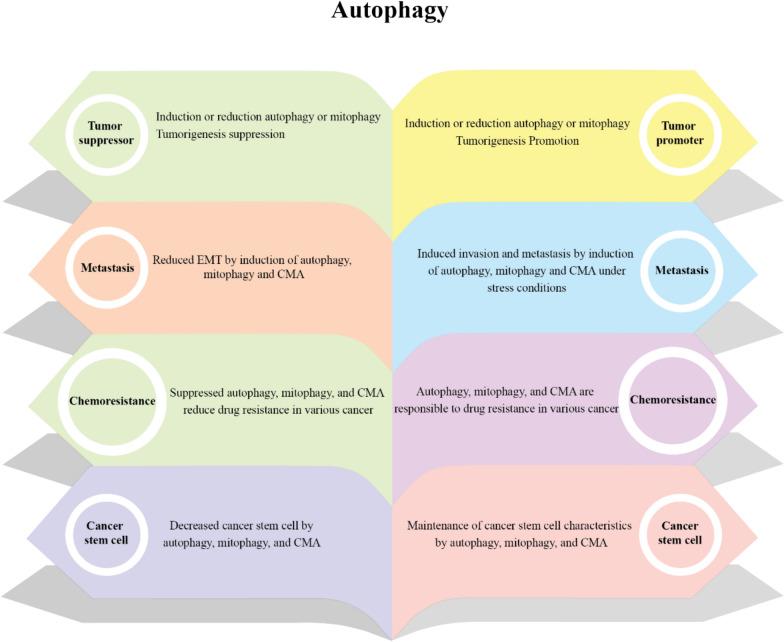
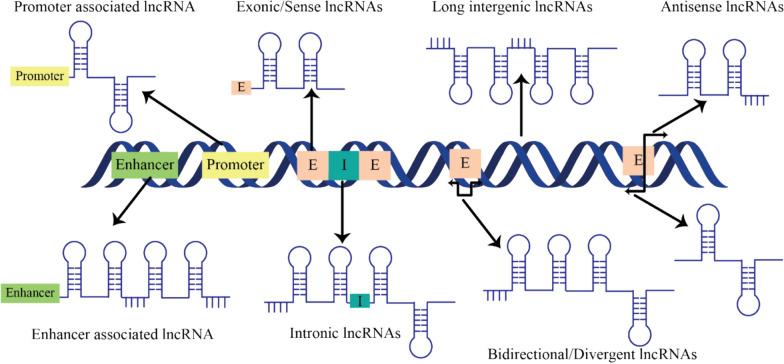
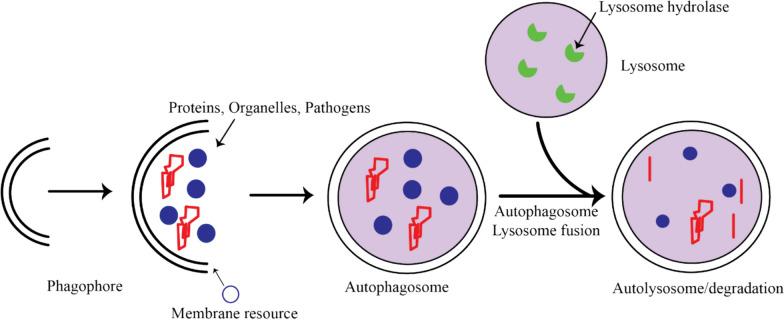
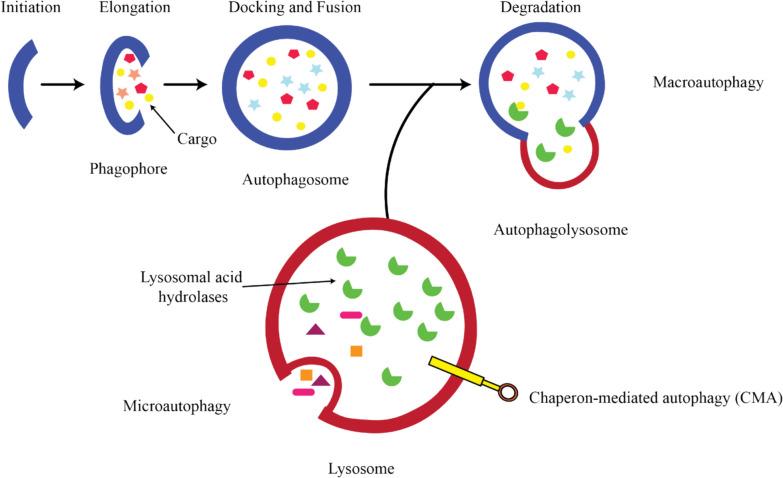
Autophagy is a cellular process that involves the degradation and recycling of cellular components, including damaged proteins and organelles. It is an important mechanism for maintaining cellular homeostasis and has been implicated in various diseases, including cancer. Long non-coding RNAs (lncRNAs) are a class of RNA molecules that do not code for proteins but instead play regulatory roles in gene expression. Emerging evidence suggests that lncRNAs can influence autophagy and contribute to the development and progression of colorectal cancer (CRC). Several lncRNAs have been identified as key players in modulating autophagy in CRC. The dysregulation of autophagy and non-coding RNAs (ncRNAs) in CRC suggests a complex interplay between these two factors in the pathogenesis of the disease. Modulating autophagy may sensitize cancer cells to existing therapies or improve the efficacy of new treatment approaches. Additionally, targeting specific lncRNAs involved in autophagy regulation could potentially be used as a therapeutic intervention to inhibit tumor growth, metastasis, and overcome drug resistance in CRC. In this review, a thorough overview is presented, encompassing the functions and underlying mechanisms of autophagy-related lncRNAs in a range of critical areas within tumor biology. These include cell proliferation, apoptosis, migration, invasion, drug resistance, angiogenesis, and radiation resistance.
自噬是一种细胞过程,涉及细胞成分的降解和再循环,包括受损的蛋白质和细胞器。它是维持细胞稳态的重要机制,并与包括癌症在内的各种疾病有关。长链非编码RNA(lncRNA)是一类不编码蛋白质但在基因表达中起调节作用的RNA分子。新出现的证据表明,lncRNA可以影响自噬,并促进结直肠癌(CRC)的发生和发展。几种lncRNA已被确定为CRC中调节自噬的关键因子。CRC中自噬和非编码RNA(ncRNA)的失调表明这两个因素在疾病发病机制中存在复杂的相互作用。调节自噬可能会使癌细胞对现有疗法敏感,或提高新治疗方法的疗效。此外,靶向参与自噬调节的特定lncRNA可能被用作一种治疗干预措施,以抑制CRC中的肿瘤生长、转移和克服耐药性。在这篇综述中,我们对肿瘤生物学一系列关键领域中自噬相关lncRNA的功能和潜在机制进行了全面概述。这些领域包括细胞增殖、凋亡、迁移、侵袭、耐药性、血管生成和辐射抗性。
 Zotero 插件