
肠道微生物组研究在食品安全评估中的相关性。
Relevance of gut microbiome research in food safety assessment.
机构信息
Department of Bioactivity and Food Analysis, Instituto de Investigación en Ciencias de la Alimentación (CIAL), CSIC-UAM, CEI (UAM+CSIC), Madrid, Spain.
Computational Systems Biology Group, National Centre for Biotechnology (CNB-CSIC), Madrid, Spain.
出版信息
Gut Microbes. 2024 Jan-Dec;16(1):2410476. doi: 10.1080/19490976.2024.2410476. Epub 2024 Oct 3.
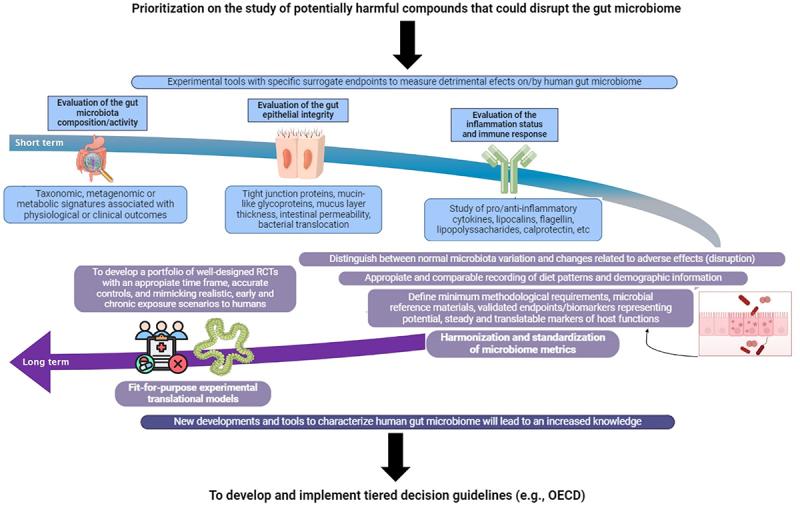
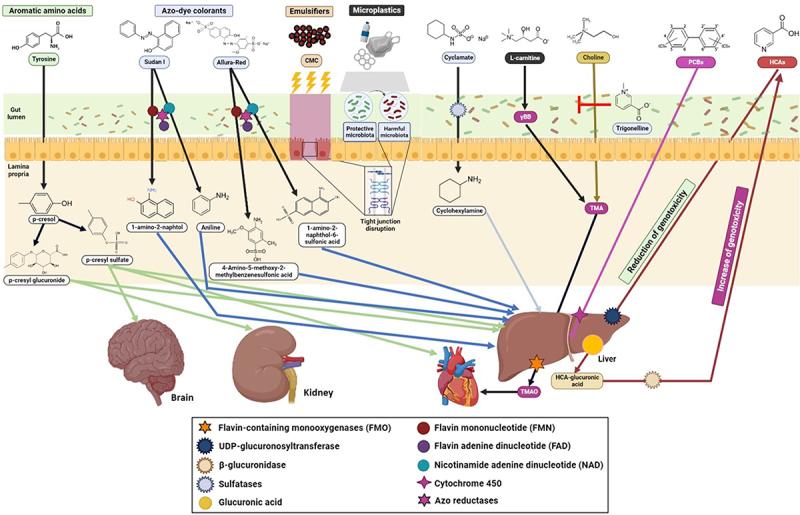
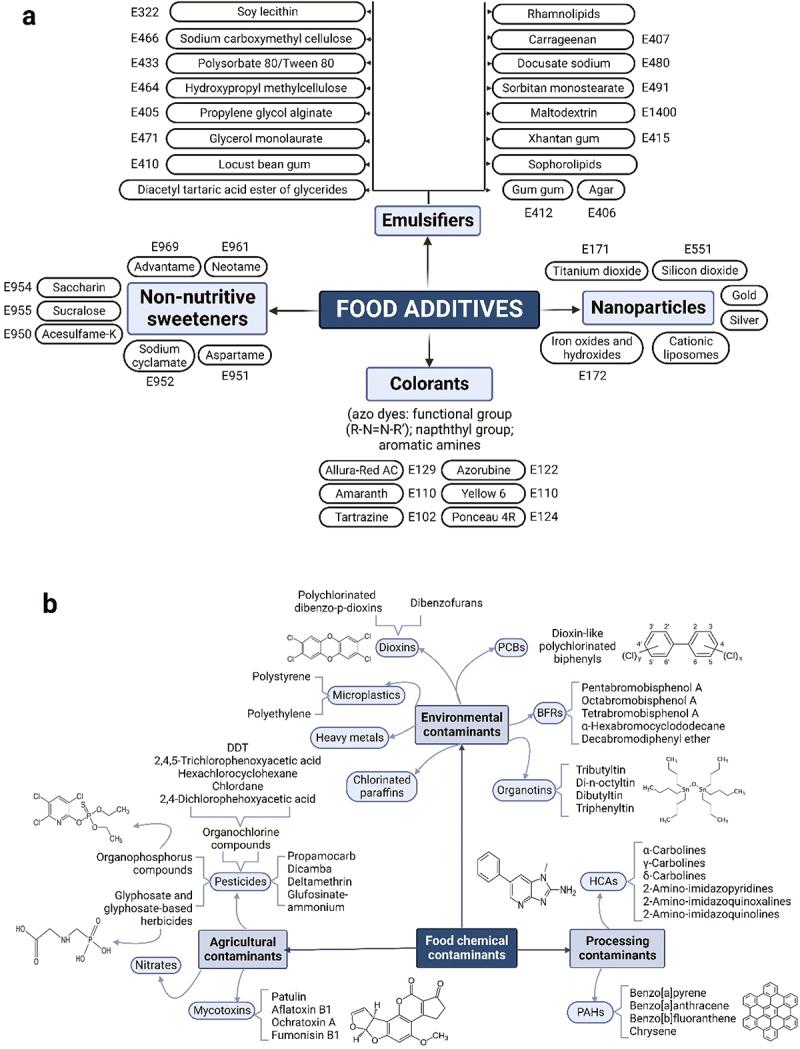
The gut microbiome is indispensable for the host physiological functioning. Yet, the impact of non-nutritious dietary compounds on the human gut microbiota and the role of the gut microbes in their metabolism and potential adverse biological effects have been overlooked. Identifying potential hazards and benefits would contribute to protecting and harnessing the gut microbiome's role in supporting human health. We discuss the evidence on the potential detrimental impact of certain food additives and microplastics on the gut microbiome and human health, with a focus on underlying mechanisms and causality. We provide recommendations for the incorporation of gut microbiome science in food risk assessment and identify the knowledge and tools needed to fill these gaps. The incorporation of gut microbiome endpoints to safety assessments, together with well-established toxicity and mutagenicity studies, might better inform the risk assessment of certain contaminants in food, and/or food additives.
肠道微生物组对宿主的生理功能是不可或缺的。然而,非营养性饮食化合物对人类肠道微生物组的影响,以及肠道微生物在其代谢和潜在不良生物学效应中的作用,一直被忽视。确定潜在的危害和益处将有助于保护和利用肠道微生物组在支持人类健康方面的作用。我们讨论了某些食品添加剂和微塑料对肠道微生物组和人类健康的潜在有害影响的证据,重点是潜在的机制和因果关系。我们为将肠道微生物组科学纳入食品风险评估提供了建议,并确定了填补这些空白所需的知识和工具。将肠道微生物组终点纳入安全性评估,结合已建立的毒性和致突变性研究,可能会更好地为食品中某些污染物和/或食品添加剂的风险评估提供信息。

 Zotero 插件