
用于三阴性乳腺癌治疗的小分子Mcl-1抑制剂。
Small molecule Mcl-1 inhibitor for triple negative breast cancer therapy.
作者信息
Dong Shengli, Alahari Suresh K
机构信息
TYK Medicines, Inc., Zhejiang, China.
Department of Biochemistry and Molecular Biology, LSHSC School of Medicine, New Orleans, LA, United States.
出版信息
Front Cell Dev Biol. 2024 Sep 20;12:1408107. doi: 10.3389/fcell.2024.1408107. eCollection 2024.
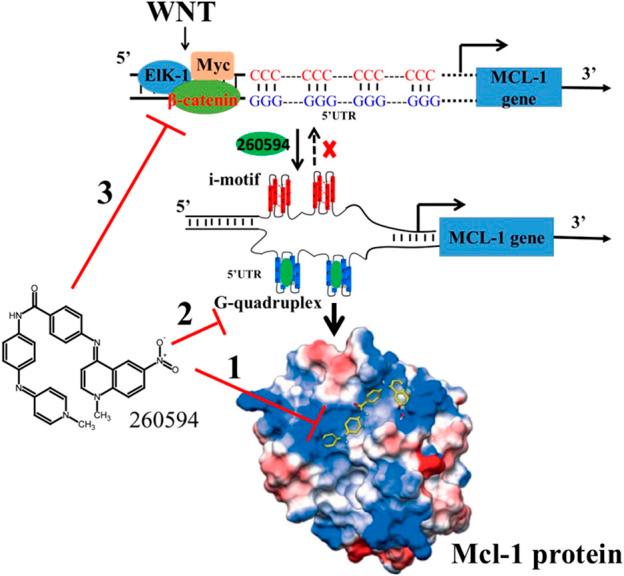
Apoptosis is an evolutionarily conserved cell death pathway that plays a crucial role in maintaining tissue homeostasis, orchestrating organismal development, and eliminating damaged cells. Dysregulation of apoptosis can contribute to the pathogenesis of malignant tumors and neurodegenerative diseases. Anticancer drugs typically possess the capacity to induce apoptosis in tumor cells. The Bcl-2 protein family, consisting of 27 members in humans, serves as the key regulator of mitochondrial function. This family can be divided into two functional groups: anti-apoptotic proteins (e.g., Bcl-2, Bcl-xl, Mcl-1) and pro-apoptotic proteins (e.g., Bad, Bax). Mcl-1 exerts its function by binding pro-apoptotic Bcl-2 proteins thereby preventing apoptosis induction. Overexpression of Mcl-1 not only correlates closely with tumorigenesis but also associates significantly with resistance towards targeted therapy and conventional chemotherapy. Effective induction of apoptosis can be achieved through inhibition or interference with Mcl-1. Thus, this mini review discusses existing Mcl-1 inhibitors.
细胞凋亡是一种进化上保守的细胞死亡途径,在维持组织稳态、协调机体发育以及清除受损细胞方面发挥着关键作用。细胞凋亡失调可导致恶性肿瘤和神经退行性疾病的发病机制。抗癌药物通常具有诱导肿瘤细胞凋亡的能力。人类的Bcl-2蛋白家族由27个成员组成,是线粒体功能的关键调节因子。该家族可分为两个功能组:抗凋亡蛋白(如Bcl-2、Bcl-xl、Mcl-1)和促凋亡蛋白(如Bad、Bax)。Mcl-1通过结合促凋亡Bcl-2蛋白发挥其功能,从而防止细胞凋亡的诱导。Mcl-1的过表达不仅与肿瘤发生密切相关,还与对靶向治疗和传统化疗的耐药性显著相关。通过抑制或干扰Mcl-1可以有效诱导细胞凋亡。因此,本综述讨论了现有的Mcl-1抑制剂。

 Zotero 插件