
采用远程监测仪器的远程医疗对心力衰竭和/或慢性阻塞性肺疾病患者再入院的影响:一项系统评价
The effect of telemedicine employing telemonitoring instruments on readmissions of patients with heart failure and/or COPD: a systematic review.
作者信息
Stergiopoulos Georgios M, Elayadi Anissa N, Chen Edward S, Galiatsatos Panagis
机构信息
Department of Molecular Medicine, Mayo Clinic, Rochester, MN, United States.
Research and Exploratory Development, Johns Hopkins University Applied Physics Laboratory, Laurel, MD, United States.
出版信息
Front Digit Health. 2024 Sep 25;6:1441334. doi: 10.3389/fdgth.2024.1441334. eCollection 2024.
BACKGROUND
Hospital readmissions pose a challenge for modern healthcare systems. Our aim was to assess the efficacy of telemedicine incorporating telemonitoring of patients' vital signs in decreasing readmissions with a focus on a specific patient population particularly prone to rehospitalization: patients with heart failure (HF) and/or chronic obstructive pulmonary disease (COPD) through a comparative effectiveness systematic review.
METHODS
Three major electronic databases, including PubMed, Scopus, and ProQuest's ABI/INFORM, were searched for English-language articles published between 2012 and 2023. The studies included in the review employed telemedicine incorporating telemonitoring technologies and quantified the effect on hospital readmissions in the HF and/or COPD populations.
RESULTS
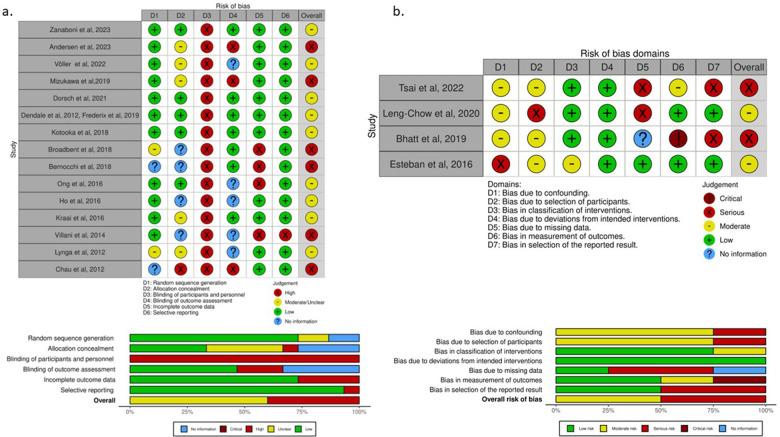
Thirty scientific articles referencing twenty-nine clinical studies were identified (total of 4,326 patients) and were assessed for risk of bias using the RoB2 (nine moderate risk, six serious risk) and ROBINS-I tools (two moderate risk, two serious risk), and the Newcastle-Ottawa Scale (three good-quality, four fair-quality, two poor-quality). Regarding the primary outcome of our study which was readmissions: the readmission-related outcome most studied was all-cause readmissions followed by HF and acute exacerbation of COPD readmissions. Fourteen studies suggested that telemedicine using telemonitoring decreases the readmission-related burden, while most of the remaining studies suggested that it had a neutral effect on hospital readmissions. Examination of prospective studies focusing on all-cause readmission resulted in the observation of a clearer association in the reduction of all-cause readmissions in patients with COPD compared to patients with HF (100% vs. 8%).
CONCLUSIONS
This systematic review suggests that current telemedicine interventions employing telemonitoring instruments can decrease the readmission rates of patients with COPD, but most likely do not impact the readmission-related burden of the HF population. Implementation of novel telemonitoring technologies and conduct of more high-quality studies as well as studies of populations with ≥2 chronic disease are necessary to draw definitive conclusions.
SYSTEMATIC REVIEW REGISTRATION
This study is registered at the International Platform of Registered Systematic Review and Meta-analysis Protocols (INPLASY), identifier (INPLASY202460097).
背景
医院再入院对现代医疗系统构成挑战。我们的目的是通过一项比较有效性系统评价,评估结合患者生命体征远程监测的远程医疗在降低再入院率方面的疗效,重点关注特别容易再次住院的特定患者群体:心力衰竭(HF)和/或慢性阻塞性肺疾病(COPD)患者。
方法
检索了三个主要电子数据库,包括PubMed、Scopus和ProQuest的ABI/INFORM,以查找2012年至2023年发表的英文文章。纳入该评价的研究采用了结合远程监测技术的远程医疗,并对HF和/或COPD人群的医院再入院影响进行了量化。
结果
共识别出30篇引用29项临床研究的科学文章(共4326例患者),并使用RoB2(9项中度风险,6项严重风险)和ROBINS-I工具(2项中度风险,2项严重风险)以及纽卡斯尔-渥太华量表(3项高质量,


 Zotero 插件