
靶向RAGE信号通路修复肩袖损伤
Targeting RAGE-signaling pathways in the repair of rotator-cuff injury.
作者信息
Rai Vikrant, Deepu Vinitha, Agrawal Devendra K
机构信息
Department of Translational Research, Western University of Health Sciences, 309 E. Second Street, Pomona, CA, 91766-1854, USA.
出版信息
Mol Cell Biochem. 2025 Apr;480(4):2539-2554. doi: 10.1007/s11010-024-05132-8. Epub 2024 Oct 12.
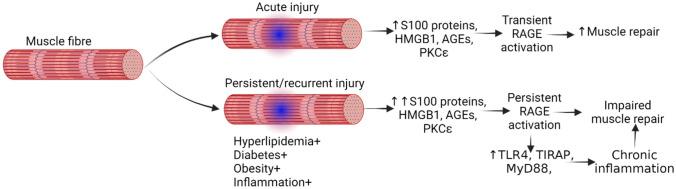
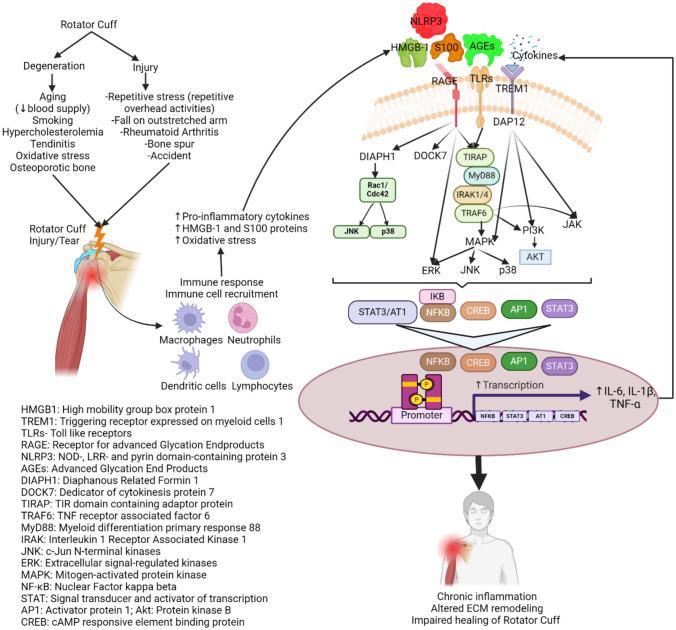
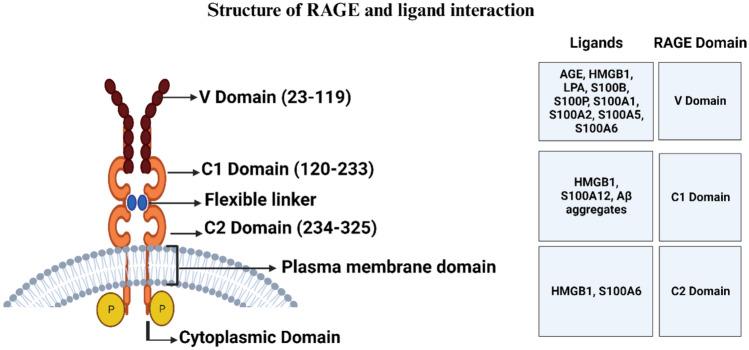
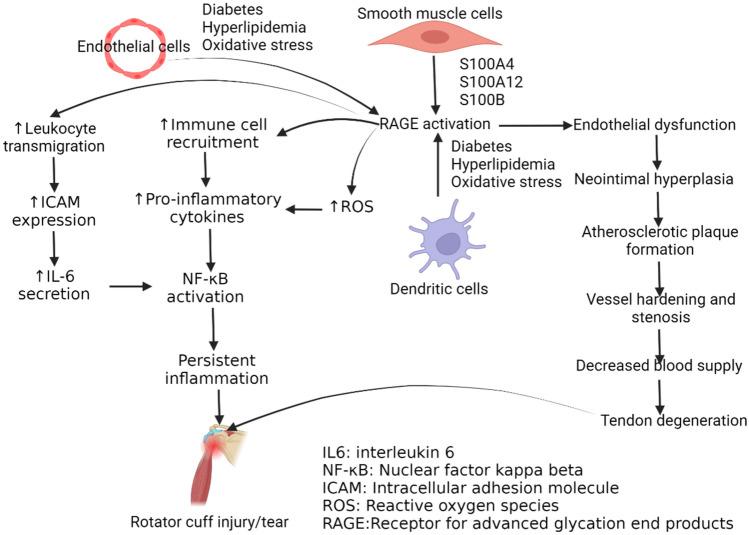
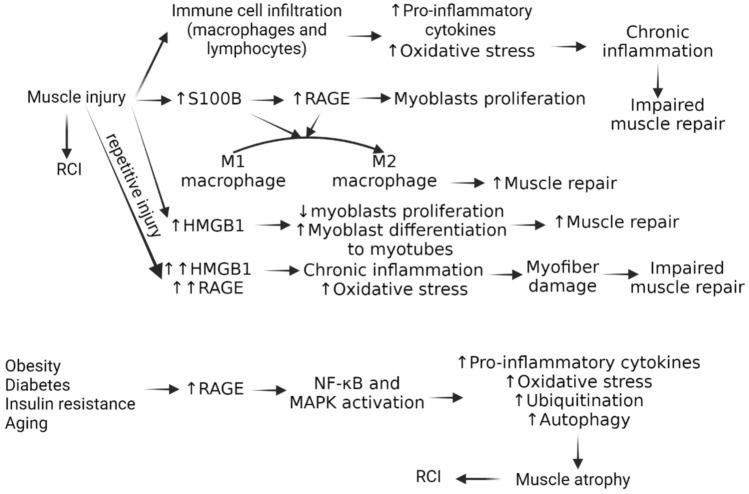
Rotator cuff injury (RCI) is a common musculoskeletal problem that can have a significant impact on the quality of life and functional abilities of those affected. Novel therapies, including proteomics-based, stem cells, platelet-rich plasma, and exosomes, are being developed to promote rotator-cuff healing. The receptor for advanced glycation end-products (RAGE) is a multifunctional receptor that is expressed on several cell types and is implicated in several physiologic and pathological processes, such as tissue repair, inflammation, and degeneration. Because of its capacity to bind with a variety of ligands and initiate signaling pathways that lead to inflammatory responses in RCI, RAGE plays a crucial role in inflammation. In this critical review article, we discussed the role of RAGE-mediated persistent inflammation in RCI followed by novel factors including PKCs, TIRAP, DIAPH1, and factors related to muscle injury with their therapeutic potential in RCI. These factors involve various aspects of muscle injury and signaling and the possibility of targeting these factors to improve the clinical outcomes in RCI still needs further investigation.
肩袖损伤(RCI)是一种常见的肌肉骨骼问题,会对受影响者的生活质量和功能能力产生重大影响。目前正在开发包括基于蛋白质组学的、干细胞、富血小板血浆和外泌体在内的新型疗法,以促进肩袖愈合。晚期糖基化终产物受体(RAGE)是一种多功能受体,在多种细胞类型上表达,并参与多种生理和病理过程,如组织修复、炎症和退变。由于其能够与多种配体结合并启动导致RCI炎症反应的信号通路,RAGE在炎症中起着关键作用。在这篇综述文章中,我们讨论了RAGE介导的持续性炎症在RCI中的作用,以及包括蛋白激酶C(PKCs)、TIRAP、DIAPH1等新发现的因子和与肌肉损伤相关的因子及其在RCI中的治疗潜力。这些因子涉及肌肉损伤和信号传导的各个方面,针对这些因子以改善RCI临床结果的可能性仍需进一步研究。
 Zotero 插件