
载氯己定碳酸钙纳米颗粒对种植体感染的抑制作用。
Inhibitory effects of chlorhexidine-loaded calcium carbonate nanoparticles against dental implant infections.
机构信息
Dept. of Prosthodontics, Faculty of Dentistry, Tabriz University of Medical Sciences, Tabriz, Iran.
Dept. of Dental Biomaterials, Faculty of Dentistry, Tabriz University of Medical Sciences, Tabriz, Iran.
出版信息
BMC Oral Health. 2024 Oct 16;24(1):1236. doi: 10.1186/s12903-024-05035-6.
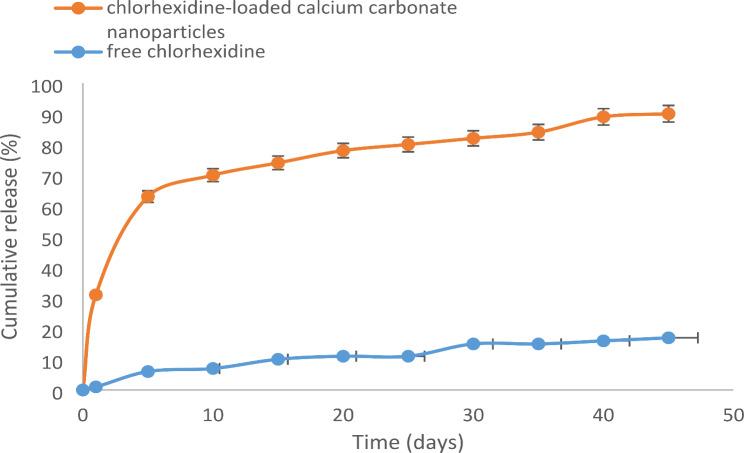
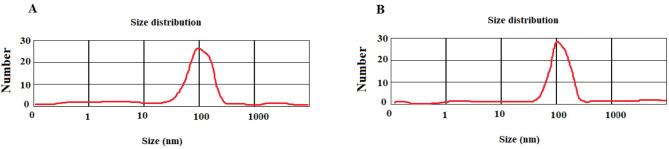
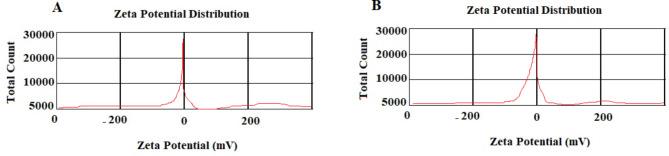
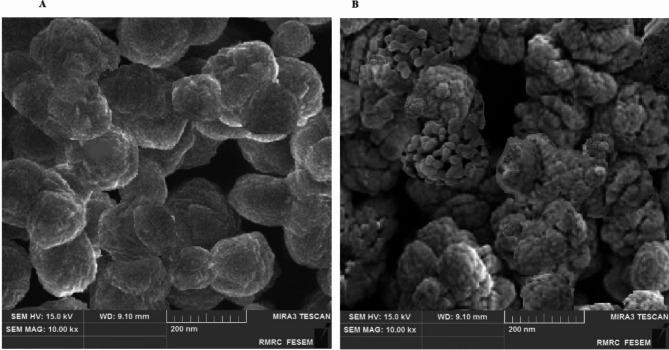
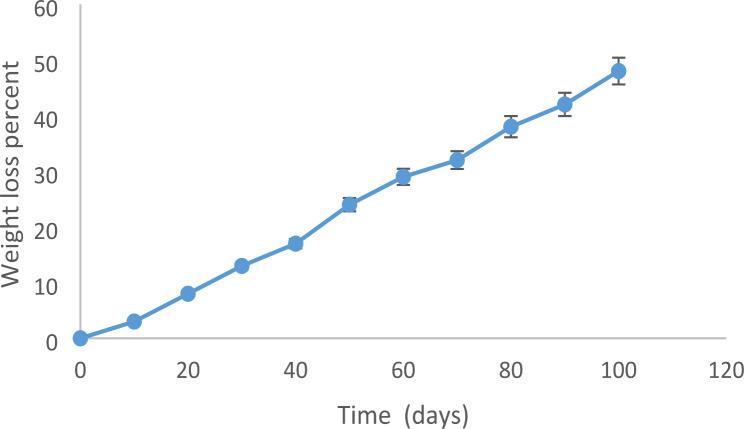
This study aimed to design sustained released biodegradable calcium carbonate nanoparticles loaded with chlorhexidine (CHX-loaded NPs) and to investigate the early osteogenic differentiation and antimicrobial effects on the important bacteria involved in infections of dental implants. The microemulsion method was used to prepare the calcium carbonate nanoparticles loaded with chlorhexidine. The prepared nanoparticles were characterized using conventional methods. The release pattern determination and the biodegradation test were performed for the prepared nanoparticles. For the early osteogenic differentiation test of the prepared nanoparticles, alkaline phosphatase (ALP) activity was detected in human dental pulp stem cells (HDPSCs). The antimicrobial effects of the nanoparticles were evaluated against Escherichia coli, Streptococcus mutans, Enterococcus faecalis, Staphylococcus aureus, and Pseudomonas aeruginosa. The sizes of free calcium carbonate nanoparticles and CHX-loaded NPs were 105 ± 1.63 and 118 ± 1.47 nm and their zeta potentials were - 27 and - 36, respectively. A 50% degradation of nanoparticles was achieved after 100 days. These nanoparticles showed a two-stage sustained release pattern in vitro. Microscopic images revealed that the morphology of free calcium carbonate nanoparticles primarily took on a spherical calcite form, while CHX-loaded NPs predominantly exhibited a cauliflower-like vaterite polymorph. The nanoparticles increased the activity of ALP in cells in two weeks significantly (p < 0.05). Antimicrobial and antibiofilm results showed an efficient effect of the prepared nanoparticle against the studied bacteria. Calcium carbonate nanoparticles are an efficient multifunctional vector for chlorhexidine and can be used as a bioactive antibacterial agent against various oral microorganisms to prevent implant infections.
本研究旨在设计负载氯己定(CHX 载药 NPs)的可生物降解碳酸钙纳米粒子的缓释系统,并研究其对与牙种植体感染相关的重要细菌的早期成骨分化和抗菌效果。采用微乳液法制备负载氯己定的碳酸钙纳米粒子。采用常规方法对制备的纳米粒子进行特性描述。对制备的纳米粒子进行释放模式的测定和生物降解测试。为了研究制备的纳米粒子的早期成骨分化,检测人牙髓干细胞(HDPSC)中的碱性磷酸酶(ALP)活性。评价纳米粒子对大肠杆菌、变形链球菌、粪肠球菌、金黄色葡萄球菌和铜绿假单胞菌的抗菌效果。游离碳酸钙纳米粒子和 CHX 载药 NPs 的粒径分别为 105±1.63nm 和 118±1.47nm,其 zeta 电位分别为-27mV 和-36mV。100 天后,纳米粒子的降解率达到 50%。这些纳米粒子在体外表现出两阶段的持续释放模式。显微镜图像显示,游离碳酸钙纳米粒子的形态主要呈球形方解石形态,而 CHX 载药 NPs 主要呈现出菜花状的球霰石多晶型。纳米粒子在两周内显著提高了细胞中 ALP 的活性(p<0.05)。抗菌和抗生物膜结果表明,所制备的纳米粒子对研究的细菌具有有效的作用。碳酸钙纳米粒子是氯己定的一种有效多功能载体,可用作针对各种口腔微生物的生物活性抗菌剂,以预防种植体感染。

 Zotero 插件