
精准农业技术在可持续作物生产和环境可持续性中的应用:系统评价。
Application of Precision Agriculture Technologies for Sustainable Crop Production and Environmental Sustainability: A Systematic Review.
机构信息
Department of Plant Science, College of Agriculture and Natural Resource, Debre Markos University, P.O. Box: 269, Debre Markos, Amhara, Ethiopia.
Department of Horticulture, College of Agriculture and Natural Resource, Debre Markos University, P.O. Box: 269, Debre Markos, Amhara, Ethiopia.
出版信息
ScientificWorldJournal. 2024 Oct 9;2024:2126734. doi: 10.1155/2024/2126734. eCollection 2024.
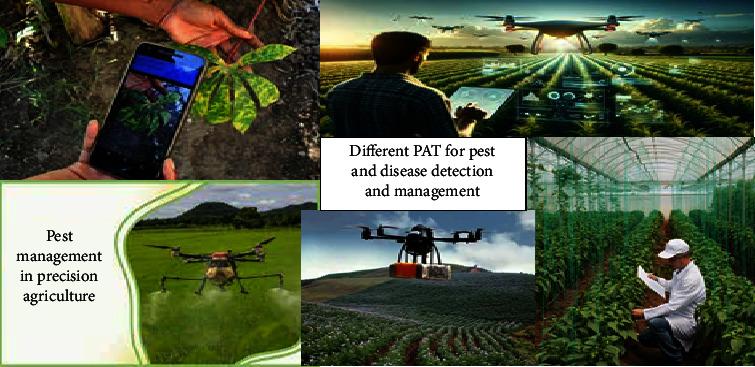
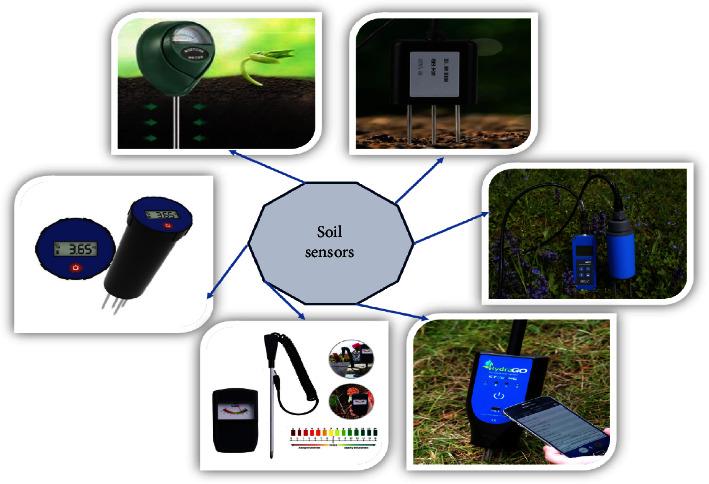
Precision agriculture technologies (PATs) transform crop production by enabling more sustainable and efficient agricultural practices. These technologies utilize data-driven approaches to optimize the management of crops, soil, and resources, thus enhancing both productivity and environmental sustainability. This article reviewed the application of PATs for sustainable crop production and environmental sustainability around the globe. Key components of PAT include remote sensing, GPS-guided equipment, variable rate technology (VRT), and Internet of Things (IoT) devices. Remote sensing and drones deliver high-resolution imagery and data, enabling precise monitoring of crop health, soil conditions, and pest activity. GPS-guided machinery ensures accurate planting, fertilizing, and harvesting, which reduces waste and enhances efficiency. VRT optimizes resource use by allowing farmers to apply inputs such as water, fertilizers, and pesticides at varying rates across a field based on real-time data and specific crop requirements. This reduces over-application and minimizes environmental impact, such as nutrient runoff and greenhouse gas emissions. IoT devices and sensors provide continuous monitoring of environmental conditions and crop status, enabling timely and informed decision-making. The application of PAT contributes significantly to environmental sustainability by promoting practices that conserve water, reduce chemical usage, and enhance soil health. By enhancing the precision of agricultural operations, these technologies reduce the environmental impact of farming, while simultaneously boosting crop yields and profitability. As the global demand for food increases, precision agriculture offers a promising pathway to achieving sustainable crop production and ensuring long-term environmental health.
精准农业技术(PAT)通过实现更可持续和高效的农业实践来改变作物生产。这些技术利用数据驱动的方法来优化作物、土壤和资源的管理,从而提高生产力和环境可持续性。本文综述了 PAT 在全球范围内可持续作物生产和环境可持续性方面的应用。PAT 的关键组成部分包括遥感、GPS 引导设备、变量施肥技术(VRT)和物联网(IoT)设备。遥感和无人机提供高分辨率图像和数据,实现对作物健康、土壤状况和害虫活动的精确监测。GPS 引导机械确保精确种植、施肥和收获,从而减少浪费并提高效率。VRT 通过允许农民根据实时数据和特定作物需求,在田间以不同的速率施用肥料、水和农药等投入品,优化资源利用。这减少了过度施用,并最大限度地减少了环境影响,如养分流失和温室气体排放。物联网设备和传感器提供对环境条件和作物状况的持续监测,实现及时和明智的决策。PAT 的应用通过促进节约用水、减少化学物质使用和增强土壤健康的实践,对环境可持续性做出了重大贡献。通过提高农业作业的精度,这些技术减少了农业的环境影响,同时提高了作物产量和盈利能力。随着全球对粮食的需求增加,精准农业为实现可持续作物生产和确保长期环境健康提供了一条有前途的途径。

 Zotero 插件