
关于抗菌药物耐药性的社区意识倡议:医学本科生的一项教育干预措施。
Community awareness initiative about antimicrobial resistance: An educational intervention by medical undergraduates.
作者信息
Rajopadhye Bhagyashri D, Londhe Vasundhara A, Pingle Nivedita A, Dhande Priti P
机构信息
Department of Pharmacology, Bharati Vidyapeeth (DTU) Medical College, Pune, Maharashtra, India.
出版信息
J Educ Health Promot. 2024 Aug 29;13:321. doi: 10.4103/jehp.jehp_1735_23. eCollection 2024.
BACKGROUND
Antimicrobial resistance (AMR) is a global problem and an important consequence of inappropriate use of antimicrobial agents (AMAs). Studies have observed that a lack of awareness of AMR among healthcare professionals as well as consumers results in the irrational use of AMAs, a significant driver of AMR.
MATERIALS AND METHODS
This educational intervention study was undertaken to assess community awareness regarding AMAs and AMR and to educate them. Ten volunteer students from II MBBS were made aware of AMR, its impact and measures to reduce resistance through a lecture by Pharmacology faculty. Students interacted with 220 family representatives in the community to assess their knowledge about AMAs and AMR using a 15-item pre-validated questionnaire. Charts, videos, and role-play were used to impart knowledge about the rational use of AMAs, AMR, and its consequences. Participants' understanding was ensured with feedback taken on Lickert scale.
RESULTS
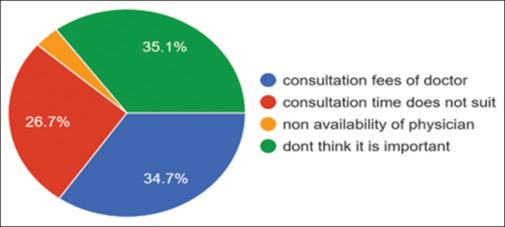
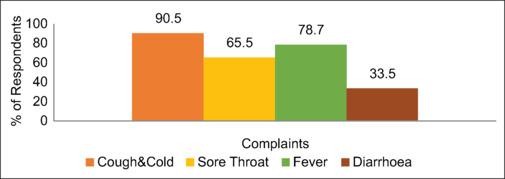
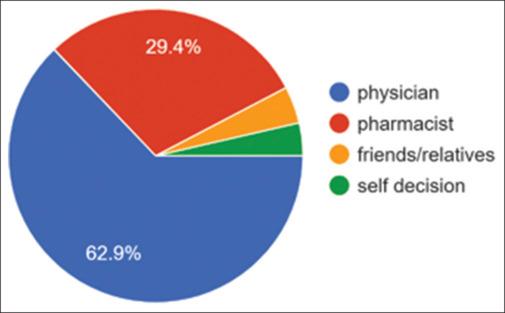
Students interacted with the study participants and found that most were aware of the term 'antibiotic' (90.8%), but 67% were clueless regarding antibiotic resistance. The purpose of AMA use was not adequately known to 43% as they mentioned using these for diarrhea, viral fever, cough, cold, and sore throat. AMAs were purchased by 40% of participants as OTC medicine, whereas Azithromycin and Amoxicillin were the AMAs they could remember by name. The reasons for buying OTC antibiotics were the inconvenience of doctors' clinic timings, unaffordable consultation charges, and easy antibiotic availability. Students also learned about communication etiquette during this community interaction. This educational intervention proved helpful as the participants agreed that the unnecessary use of AMAs makes them ineffective and AMR is preventable by simple measures.
CONCLUSION
A multifactorial approach involving prescribers, regulatory Government authorities and general public is needed to control irrational use of antimicrobials. Timely interventions are necessary to increase the awareness of AMR in the community.
背景
抗菌药物耐药性(AMR)是一个全球性问题,也是抗菌药物(AMAs)使用不当的一个重要后果。研究发现,医疗保健专业人员和消费者对抗菌药物耐药性缺乏认识会导致抗菌药物的不合理使用,这是抗菌药物耐药性的一个重要驱动因素。
材料与方法
本教育干预研究旨在评估社区对抗菌药物和抗菌药物耐药性的认识,并对他们进行教育。通过药理学教师的讲座,让来自医学学士二年级的10名志愿者学生了解抗菌药物耐药性、其影响以及降低耐药性的措施。学生们与社区中的220名家庭代表进行互动,使用一份经过预验证的包含15个条目的问卷来评估他们对抗菌药物和抗菌药物耐药性的了解。通过图表、视频和角色扮演来传授关于抗菌药物合理使用、抗菌药物耐药性及其后果的知识。通过采用李克特量表获取反馈来确保参与者的理解程度。
结果
学生们与研究参与者进行了互动,发现大多数人知道“抗生素”这个词(90.8%),但67%的人对抗生素耐药性一无所知。43%的人并不清楚使用抗菌药物的目的,因为他们提到用这些药物治疗腹泻、病毒性发热、咳嗽、感冒和喉咙痛。40%的参与者将抗菌药物作为非处方药购买,而阿奇霉素和阿莫西林是他们能叫出名字的抗菌药物。购买非处方抗生素的原因包括医生诊所就诊时间不方便、咨询费用过高以及抗生素容易获取。学生们在这次社区互动中还学到了沟通礼仪。这项教育干预被证明是有帮助的,因为参与者一致认为不必要地使用抗菌药物会使其失效,而且通过简单措施可以预防抗菌药物耐药性。
结论
需要采取一种涉及开处方者、政府监管当局和普通公众的多因素方法来控制抗菌药物的不合理使用。及时进行干预对于提高社区对抗菌药物耐药性的认识是必要的。
 Zotero 插件