
通过盐退火实现聚二烯丙基二甲基氯化铵-聚(苯乙烯磺酸钠)盐塑性体中溶菌酶的功能化。
Achieving lysozyme functionalization in PDADMAC-NaPSS saloplastics through salt annealing.
作者信息
Li Jiaying, Li Lijie, Lindhoud Saskia
机构信息
Department of Molecules and Materials, MESA+ Institute for Nanotechnology, University of Twente, Faculty of Science and Technology P. O. Box 217 7500 AE Enschede The Netherlands
出版信息
RSC Adv. 2024 Oct 18;14(45):32863-32875. doi: 10.1039/d4ra04986a. eCollection 2024 Oct 17.
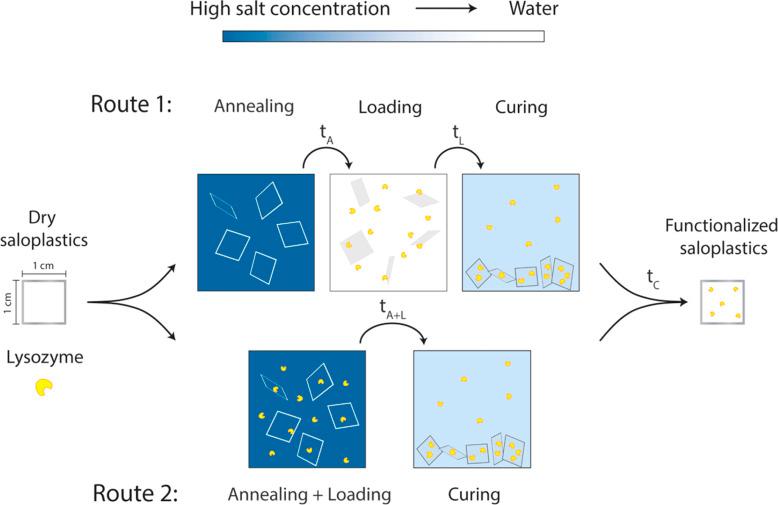
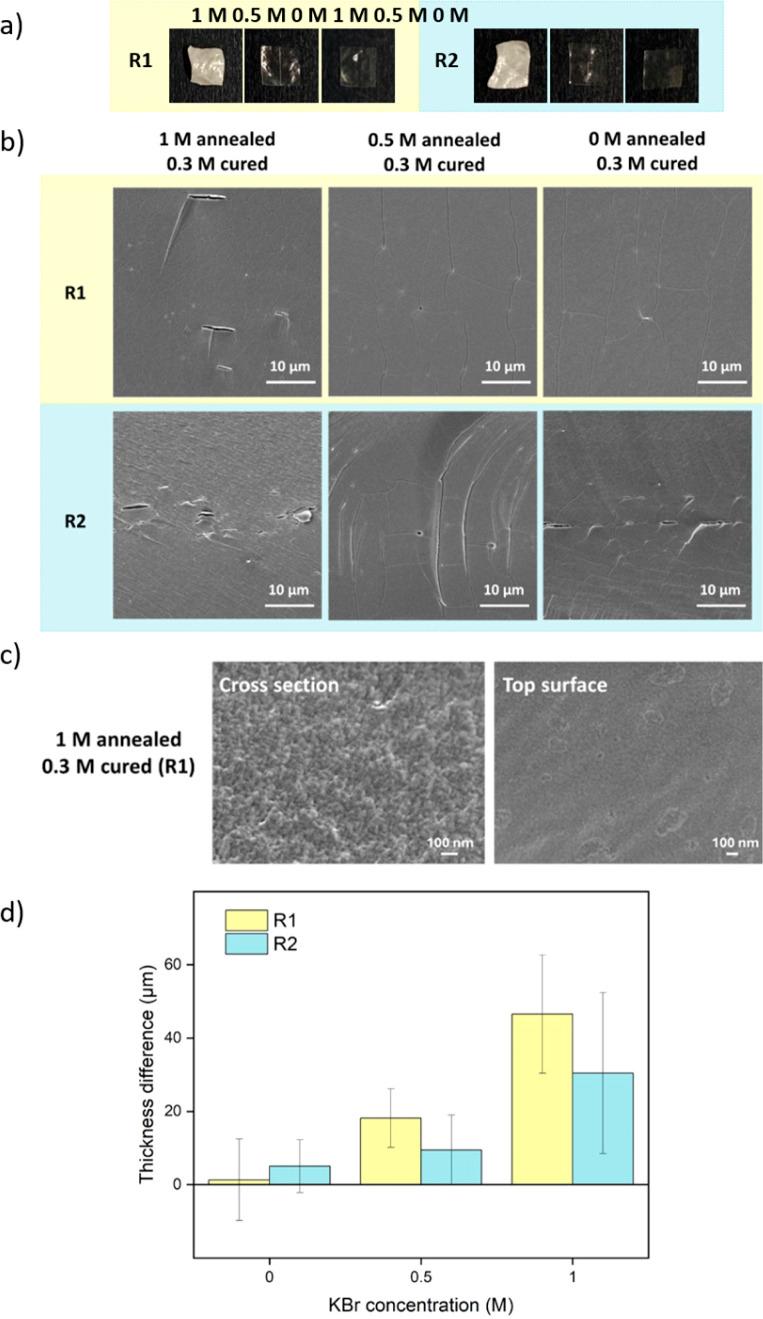
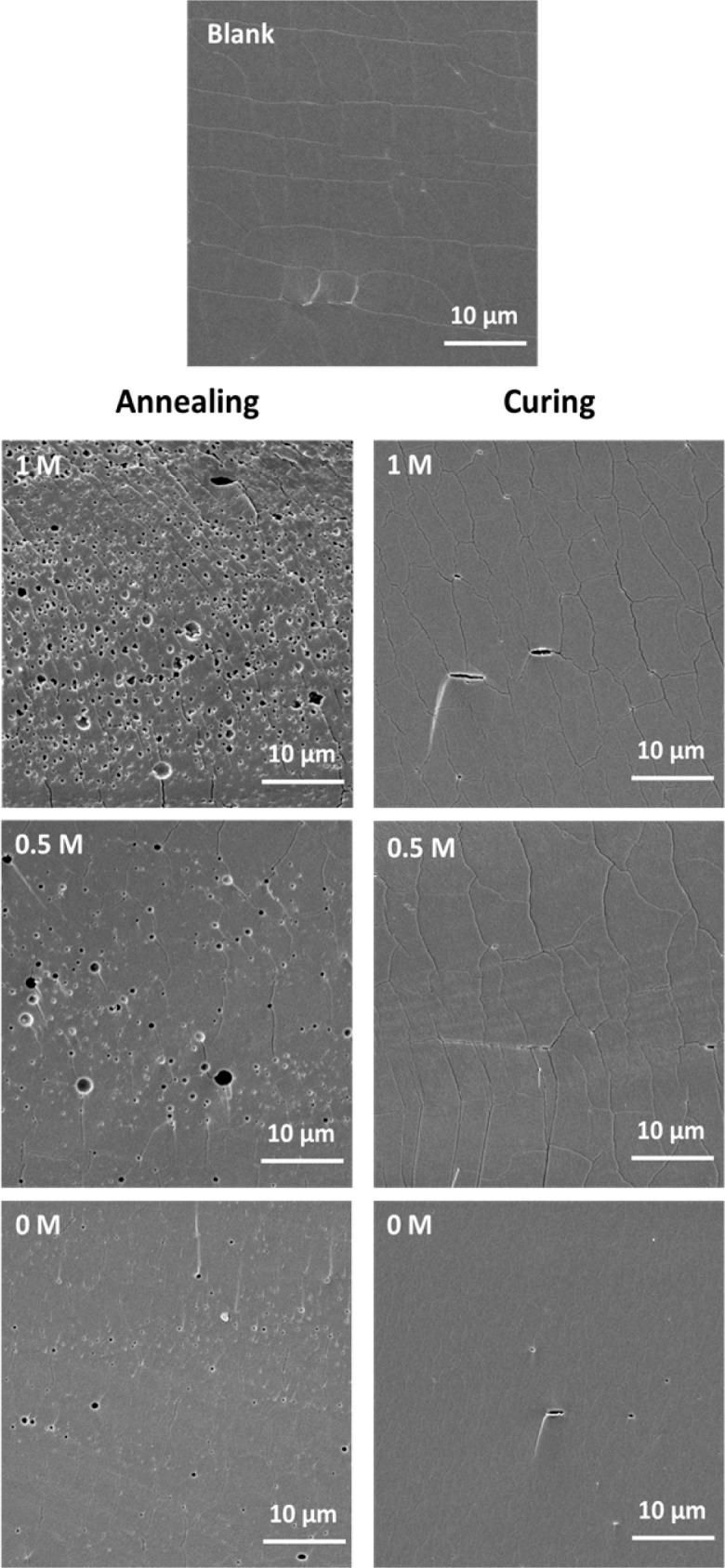
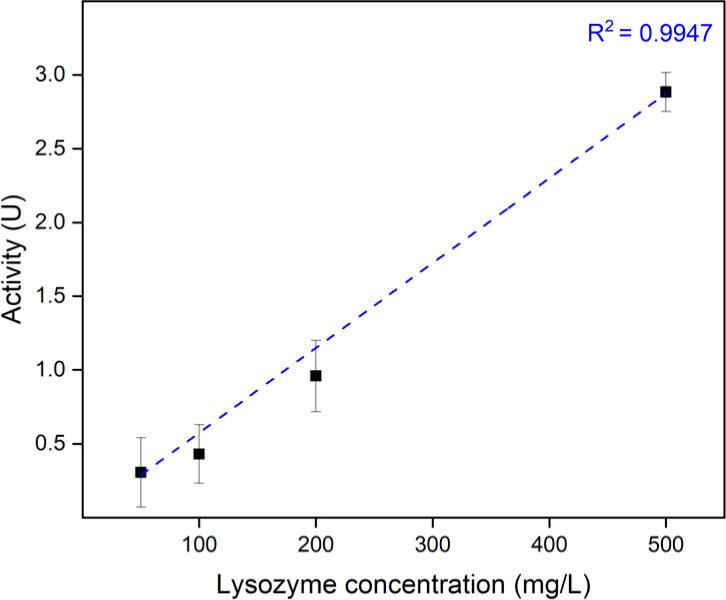
Hot-pressed saloplastics are dense and transparent polyelectrolyte complex materials governed by ionic crosslinking. Such plastics have several advantages, for example, salt water processibility and recyclability. Here, we demonstrate a simple but effective post-treatment method to incorporate lysozyme as a biocatalytic component into the hot-pressed saloplastics. Changes in salt concentration can be used for annealing and curing the saloplastics, where the temporary opening allows for lysozyme loading. This process was carefully examined by two different routes and the salt concentrations and incubation times were varied systematically. Optimised saloplastics showed an enzymatic activity against of 4.44 ± 0.37 U cm and remained partially active (∼72% activity preserved) after 7 days. This approach opens new routes to incorporate enzymes or other biological functionality into saloplastics which is difficult to achieve for conventional plastics.
热压盐塑料是由离子交联控制的致密且透明的聚电解质复合材料。这类塑料具有若干优点,例如可在盐水中加工以及可回收利用。在此,我们展示了一种简单而有效的后处理方法,即将溶菌酶作为生物催化成分掺入热压盐塑料中。盐浓度的变化可用于对盐塑料进行退火和固化,在此过程中,其暂时的开放状态允许溶菌酶载入。通过两条不同途径对该过程进行了仔细研究,并系统地改变了盐浓度和孵育时间。优化后的盐塑料对……显示出4.44±0.37 U/cm的酶活性,并且在7天后仍保持部分活性(保留约72%的活性)。这种方法为将酶或其他生物功能掺入盐塑料开辟了新途径,而这对于传统塑料来说是难以实现的。


 Zotero 插件