
自组装两亲性多肽 β 纳米纤维 KF-5 对阴道病原体的多重抗菌活性。
Multiplex antimicrobial activities of the self-assembled amphiphilic polypeptide β nanofiber KF-5 against vaginal pathogens.
机构信息
Nanjing Medical University, Nanjing, 211166, Jiangsu, China.
Xishan People's Hospital of Wuxi City, Wuxi Branch of Zhongda Hospital Southeast University, Wuxi, 214105, Jiangsu, China.
出版信息
Biol Direct. 2024 Oct 22;19(1):96. doi: 10.1186/s13062-024-00546-2.
BACKGROUND
Vaginal infections caused by multidrug-resistant pathogens such as Candida albicans and Gardnerella spp. represent a significant health challenge. Current treatments often fail because of resistance and toxicity. This study aimed to synthesize and characterize a novel amphiphilic polypeptide, KF-5, and evaluate its antibacterial and antifungal activities, biocompatibility, and potential mechanisms of action.
RESULTS
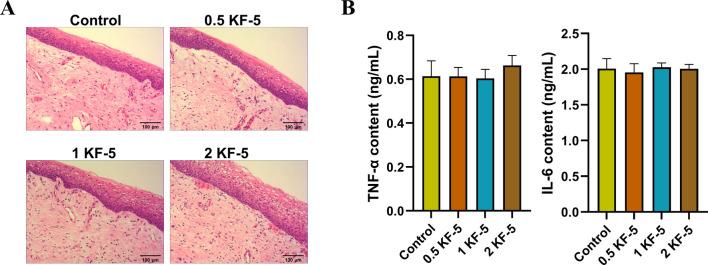
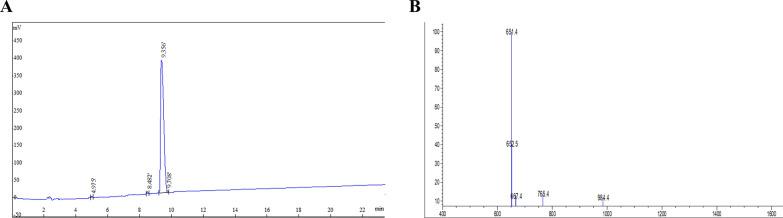
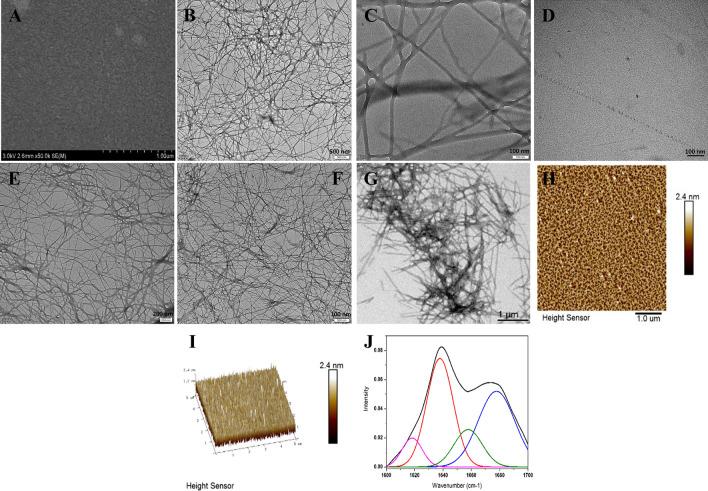
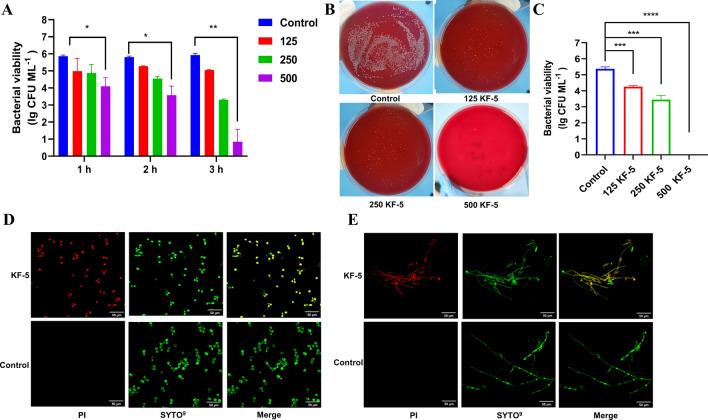
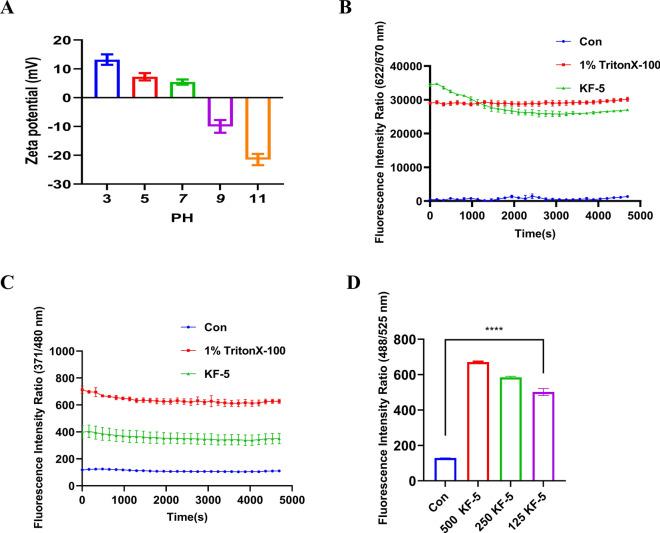
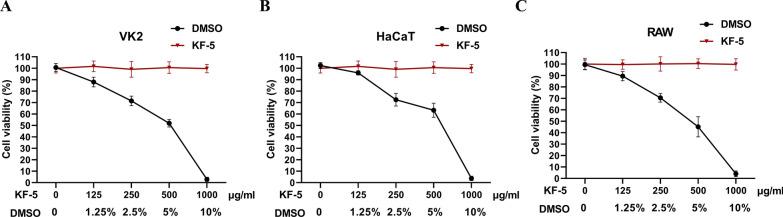
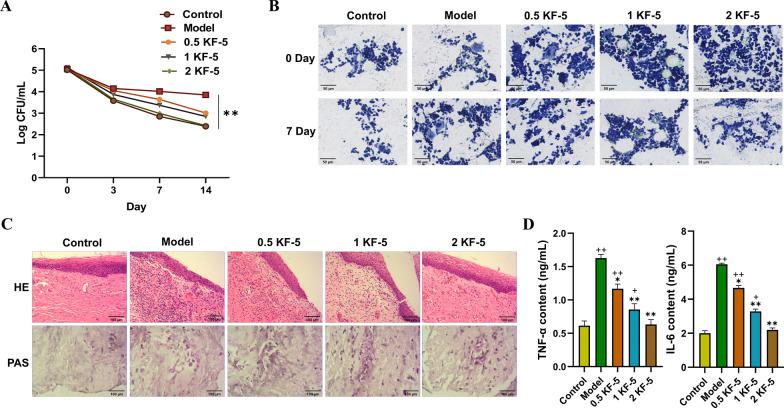
The KF-5 peptide was synthesized via solid-phase peptide synthesis and self-assembled into nanostructures with filamentous and hydrogel-like configurations. Characterization by scanning electron microscopy (SEM), transmission electron microscopy (TEM), and atomic force microscopy (AFM) confirmed the unique nanostructural properties of KF-5. KF-5 (125, 250, or 500 µg/ml) demonstrated potent antibacterial and antifungal activities, with significant inhibitory effects on drug-resistant Candida albicans and Gardnerella spp. (P < 0.05). In vitro assays revealed that 500 µg/ml KF-5 disrupted microbial cell membranes, increased membrane permeability, and induced lipid oxidation, leading to cell death (P < 0.05). Cytotoxicity tests revealed minimal toxicity in human vaginal epithelial cells, keratinocytes, and macrophages, with over 95% viability at high concentrations. Molecular dynamics simulations indicated that KF-5 interacts with phospholipid bilayers through electrostatic interactions, causing membrane disruption. In vivo studies using a mouse model of vaginal infection revealed that 0.5, 1, and 2 mg/ml KF-5 significantly reduced fungal burden and inflammation, and histological analysis confirmed the restoration of vaginal mucosal integrity (P < 0.01). Compared with conventional antifungal treatments such as miconazole, KF-5 exhibited superior efficacy (P < 0.01).
CONCLUSIONS
KF-5 demonstrates significant potential as a safe and effective antimicrobial agent for treating vaginal infections. Its ability to disrupt microbial membranes while maintaining biocompatibility with human cells highlights its potential for clinical application. These findings provide a foundation for further development of KF-5 as a therapeutic option for combating drug-resistant infections.
背景
由白色念珠菌和加德纳菌等多药耐药病原体引起的阴道感染是一个重大的健康挑战。由于耐药性和毒性,目前的治疗方法往往失败。本研究旨在合成和表征一种新型两亲多肽 KF-5,并评估其抗菌和抗真菌活性、生物相容性和潜在作用机制。
结果
通过固相肽合成合成 KF-5 肽,并自组装成具有丝状和水凝胶样结构的纳米结构。扫描电子显微镜(SEM)、透射电子显微镜(TEM)和原子力显微镜(AFM)的表征证实了 KF-5 的独特纳米结构特性。KF-5(125、250 或 500μg/ml)表现出强大的抗菌和抗真菌活性,对耐药性白色念珠菌和加德纳菌有显著的抑制作用(P<0.05)。体外试验表明,500μg/ml KF-5 破坏微生物细胞膜,增加膜通透性,并诱导脂质氧化,导致细胞死亡(P<0.05)。细胞毒性试验显示,在高浓度下,KF-5 对人阴道上皮细胞、角质形成细胞和巨噬细胞的毒性极小,存活率超过 95%。分子动力学模拟表明,KF-5 通过静电相互作用与磷脂双层相互作用,导致膜破坏。在阴道感染的小鼠模型中进行的体内研究表明,0.5、1 和 2mg/ml KF-5 可显著降低真菌负荷和炎症,组织学分析证实阴道黏膜完整性得到恢复(P<0.01)。与咪康唑等传统抗真菌治疗相比,KF-5 显示出更好的疗效(P<0.01)。
结论
KF-5 作为治疗阴道感染的安全有效的抗菌剂具有显著潜力。它能够破坏微生物膜,同时保持与人细胞的生物相容性,这突出了其在临床应用中的潜力。这些发现为进一步开发 KF-5 作为治疗耐药性感染的治疗选择提供了基础。

 Zotero 插件