
沙特阿拉伯耐甲氧西林金黄色葡萄球菌的患病率:系统评价与荟萃分析
Prevalence of Methicillin-Resistant Staphylococcus aureus in Saudi Arabia: A Systematic Review and Meta-Analysis.
作者信息
Alanzi Taif K, Alhazmi Osama A, Alanezi Khalid, Alammari Waad M, Alrwily Arwa A, Alshammari Muath M, Albuhairan Reem
机构信息
Laboratory Medicine, College of Applied Medical Sciences, Al Jouf University, Sakaka, SAU.
Internal Medicine, Faculty of Medicine, Jazan University, Jazan, SAU.
出版信息
Cureus. 2024 Sep 26;16(9):e70230. doi: 10.7759/cureus.70230. eCollection 2024 Sep.
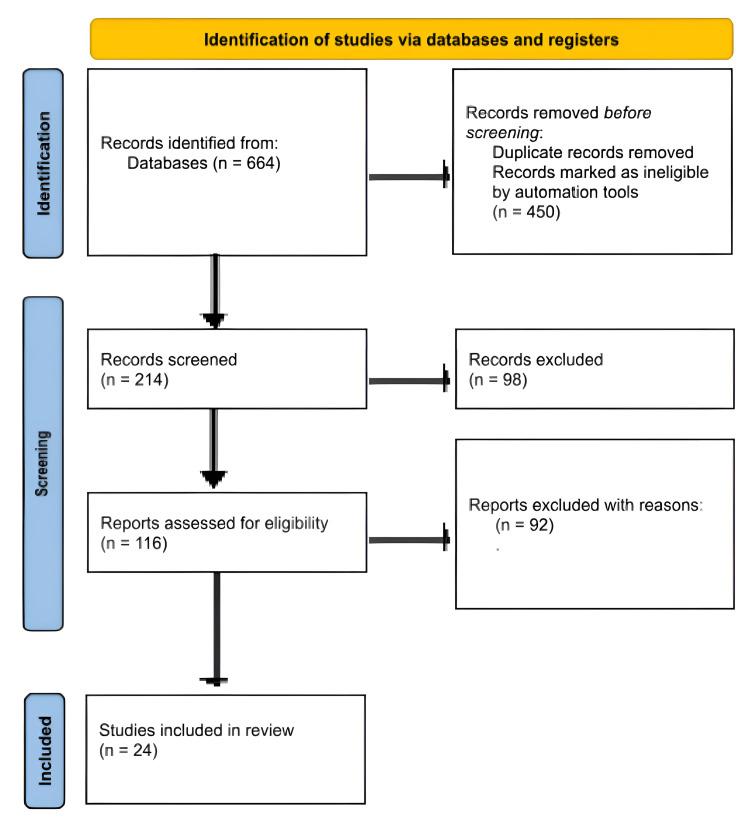
Methicillin-resistant (MRSA) is a public health concern due to its capacity to build biofilms and acquire drug resistance. The purpose of this systematic review and meta-analysis is to analyze the prevalence of MRSA in Saudi Arabia and look into its resistance to various antibiotics. A comprehensive systematic search for key scientific databases from 1990 to June 2024 was carried out using predetermined keywords. MRSA prevalence rates were examined in studies that met the inclusion criteria, with an emphasis on clinical and community settings. The MedCalc software was used to conduct statistical analysis. The meta-analysis includes 24 trials with 16,646 samples. The overall prevalence of MRSA was discovered to be 8.601% (fixed effects) and 17.027% (random effects), with confidence ranges of 8.179-9.037 and 12.503-22.091, respectively. The research showed substantial antibiotic resistance, notably to β-lactams, whereas vancomycin remained effective against most MRSA strains. The data show an alarming incidence of MRSA in hospital settings, as well as significant resistance to numerous antibiotic classes, emphasizing the importance of improved infection control strategies and sensible antibiotic usage. Geographic differences in resistance patterns point to regional factors impacting MRSA spread and resistance. This analysis highlights the significant prevalence of MRSA in Saudi clinical settings, as well as the complexities of its resistance profiles. Continued observation and study into the genetic mechanisms that contribute to resistance are critical for successful MRSA infection management and prevention.
耐甲氧西林金黄色葡萄球菌(MRSA)因其形成生物膜和获得耐药性的能力而成为公共卫生问题。本系统评价和荟萃分析的目的是分析沙特阿拉伯MRSA的流行情况,并研究其对各种抗生素的耐药性。使用预先确定的关键词对1990年至2024年6月的关键科学数据库进行了全面的系统检索。在符合纳入标准的研究中检查了MRSA的流行率,重点是临床和社区环境。使用MedCalc软件进行统计分析。荟萃分析包括24项试验,共16646个样本。发现MRSA的总体流行率为8.601%(固定效应)和17.027%(随机效应),置信区间分别为8.179 - 9.037和12.503 - 22.091。研究表明存在显著的抗生素耐药性,尤其是对β-内酰胺类抗生素,而万古霉素对大多数MRSA菌株仍然有效。数据显示医院环境中MRSA的发病率惊人,以及对多种抗生素类别的显著耐药性,强调了改进感染控制策略和合理使用抗生素的重要性。耐药模式的地理差异表明区域因素影响MRSA的传播和耐药性。该分析突出了沙特临床环境中MRSA的显著流行率及其耐药谱的复杂性。持续观察和研究导致耐药性的遗传机制对于成功管理和预防MRSA感染至关重要。

 Zotero 插件